

· AFX Research
Release of Collateral, Start to Finish: Where the Title Report Fits
What an SBA release of collateral request includes, partial versus full releases, and why the title report has to be less than six months old.
Table of Contents
Businesses outgrow properties. Parcels get sold, loans get paid down, and collateral that made sense at origination stops making sense years later. Getting a property out from under an SBA lien is a routine, well-worn process, but it’s paperwork with an order of operations, and the title report sits in the middle of it.
What a release request is
When the SBA holds a lien on your property, that lien stays until it’s formally released. A release of collateral request asks the SBA (through your lender or servicing center) to remove its security interest from some or all of the property securing the loan, because you’re selling it, refinancing it, substituting other collateral, or the balance no longer justifies it. The reviewer’s job is to confirm the loan stays adequately secured after the release, and everything in the package exists to answer that question.
The package
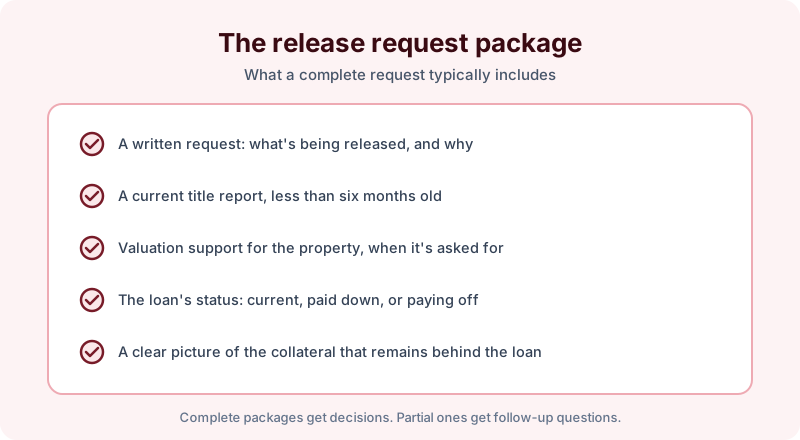
Specifics vary by loan and servicing center, but a complete request typically includes a written statement of what’s being released and why, a current title report, valuation support when it’s asked for, the loan’s payment status, and a clear picture of what remains as collateral. The title report is the piece that shows the reviewer the property’s status as it stands now: how title is vested, every open lien in position order, and where the SBA’s own lien sits in the stack.
Partial or full
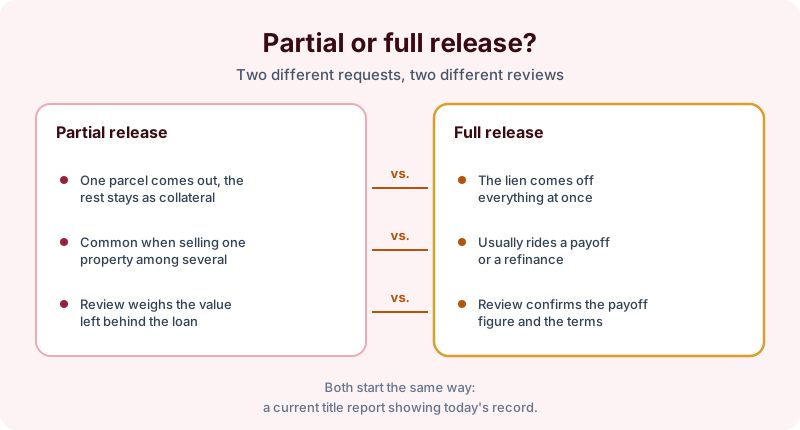
A partial release takes one parcel out and leaves the rest in place. It’s the common case when a borrower sells one property among several, and the review centers on the value left behind the loan. A full release removes the lien entirely, usually alongside a payoff or refinance, and the review centers on the payoff figure and terms. Both start from the same document: a current report showing today’s record.
Why the report must be under six months old
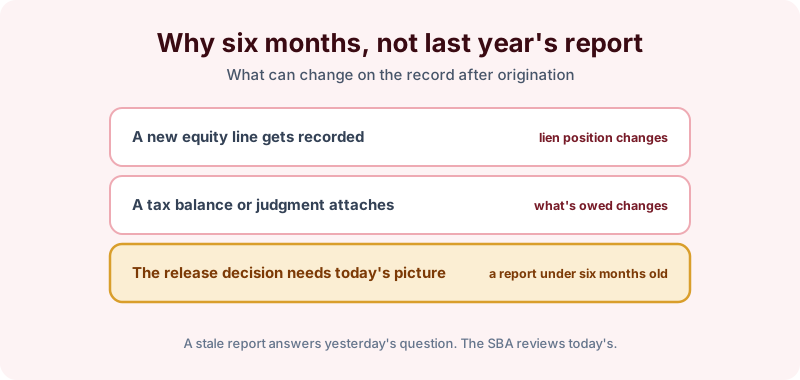
The report from your loan’s origination might be years old, and the record hasn’t been standing still. An equity line recorded since then changes lien position. A tax balance or judgment changes what’s owed against the property. The SBA generally wants the report to be less than six months old at submission, because the release decision is about the property as it stands now, not as it stood at closing.
The practical side of that rule: don’t order too early. If your request will sit in a queue for months while other pieces come together, time the report so it’s still fresh when it reaches a reviewer. Most orders come back in 3-5 business days, so there’s no need to order six months ahead.
The takeaway
A release request is a question about security, and the title report is most of the answer. Assemble the package completely, keep the report inside its six-month window, and the review moves like the routine process it is. When you’re ready, order the release report online, or contact us if you’re not sure whether your situation reads as partial or full.