

· AFX Research
Access and Easements on SBA Collateral: What to Verify First
Why a usable driveway is not access of record, which recorded burdens quietly shrink a commercial site, and what to pull before an appraisal assumption becomes a problem.
Table of Contents
Appraisals assume a parcel can be reached and used. Most of the time that is safe, and when it is not, the discovery tends to arrive late: a week before funding, from a surveyor, on a property whose value depended on the assumption. Access and easement questions are cheap to answer early from the record and expensive to answer late, which makes them worth a deliberate step rather than a glance.
How a parcel proves it has access
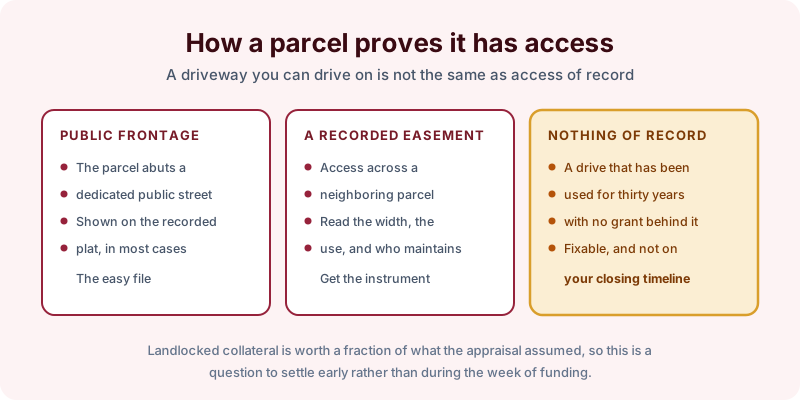
There are three situations and they are not equally comfortable.
Public frontage. The parcel abuts a dedicated public street, usually shown on the recorded plat. Nothing more to establish.
A recorded easement. Access runs across a neighboring parcel under a recorded grant. Fine, and read the instrument: the width, the permitted use, whether trucks are contemplated, and who is responsible for maintaining the surface.
Nothing of record. A drive that has been used for thirty years with no grant behind it. This is more common on older industrial and rural commercial property than people expect. It is usually fixable through a negotiated easement, and it is not fixable on your closing timeline.
The stakes are simple. Landlocked collateral is worth a fraction of what an appraisal assumed, so settle this before the file is committed rather than during funding week.
Burdens that shrink a site
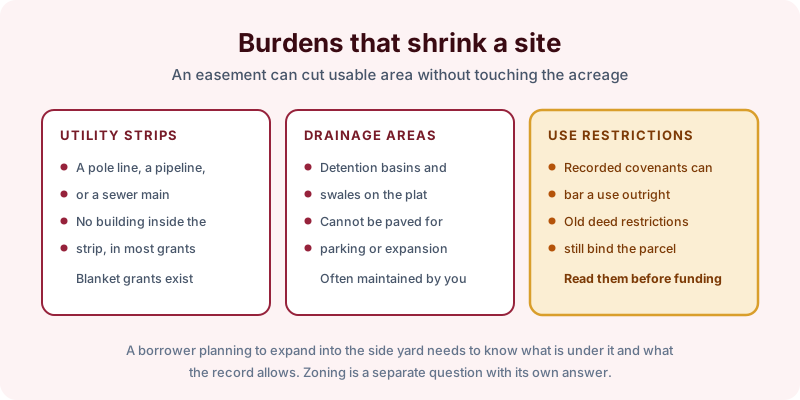
An easement can cut usable area without changing the acreage on the appraisal, and on a commercial site the usable area is the whole point.
Utility and pipeline strips typically prohibit building inside them, and older grants are sometimes blanket rather than confined to a defined corridor. A strip crossing the side yard is the difference between a future expansion and a future argument.
Drainage and detention areas shown on the plat cannot be paved for parking, and the owner is frequently responsible for maintaining them.
Recorded restrictions and covenants can bar a specific use outright. Old deed restrictions still bind the parcel, and a business plan that assumes a use the record prohibits is a problem no amount of zoning approval fixes. Zoning is a separate question with a separate answer, from the municipality rather than the recorder.
What to pull, and what it proves
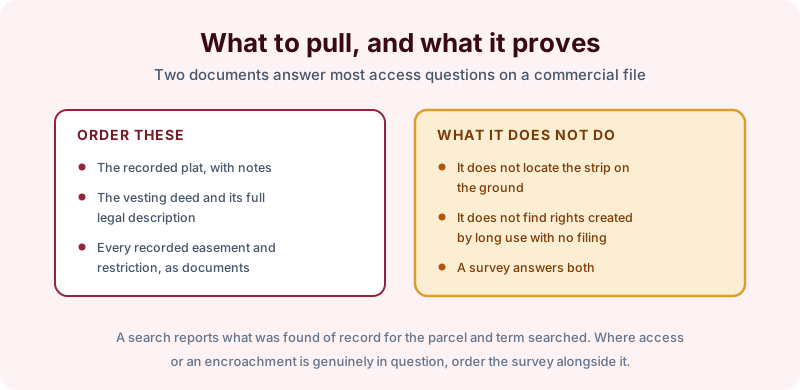
Order three things as documents rather than as summaries: the recorded plat with its notes, the vesting deed with its full legal description, and every recorded easement and restriction affecting the parcel. That set answers most access questions on a commercial file, and the requirements guide covers how to match the scope to what the lender needs.
Then be clear about the boundary. A search reports what was found of record for the parcel and term searched, on the date searched. It does not locate an easement on the ground, and it cannot find rights created by long use where nothing was ever filed. Where access or a possible encroachment is genuinely in question, the survey is the companion document, not an alternative to the search.
Depth matters here too. Access easements are frequently decades old, so a short search on a long held parcel can come back clean while the governing grant sits just outside the window. On collateral that has been in the same hands since the 1970s, a term chosen for the age of the transaction rather than the age of the parcel is the most common way an access grant goes unfound.
One more item belongs on the list where the collateral shares anything with a neighbor: a recorded maintenance or party wall agreement. Shared driveways, shared loading areas, and common walls in a strip of storefronts are all governed by recorded agreements when anyone bothered to sign one, and by nothing at all when they did not. Which of those two situations applies is worth knowing before a borrower discovers it during a dispute, and it is the sort of thing an abstractor finds while pulling the easements anyway.
The takeaway
Establish how the parcel reaches a public road before the appraisal is relied on, read the easements for what they prohibit rather than noting that they exist, and order a survey alongside the search whenever the answer matters on the ground. Start the order online, or send us the funding letter and the address if you want the scope matched to the requirement before anything is ordered.