

· AFX Research
Lis Pendens on SBA Collateral, and What It Does to Your Lien
What a notice of pending action does to a parcel, why the recording date carries the weight, the ways one gets cleared, and what a land records search still misses.
Table of Contents
The file is ready to close. The title report comes back with one open item, a notice of lis pendens recorded eight months ago by a party nobody at the bank has heard of. The borrower says the case settled last spring, and may well be right. The county index does not know that, and until something is recorded, neither does anyone reading the record on a business expansion loan.
Lis pendens is Latin for a pending suit. The recorded notice that carries the name does something narrow and surprisingly powerful. It announces that litigation touching this property is underway, and it puts everyone who deals with the property afterward on notice of the claim.
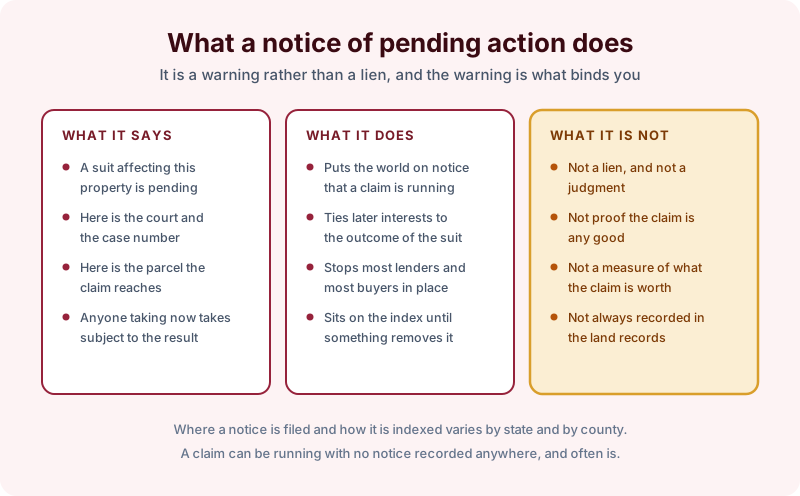
What the notice actually is
It is a warning rather than a lien. It secures no debt, carries no balance, and does not by itself move ahead of anything in the priority stack. What it does is defeat any argument that you took your interest without knowing a claim was running.
The suit behind it is what has teeth. If the plaintiff wins and the judgment affects title, an interest recorded after the notice can be bound by that result. The notice reaches back to the date it hit the index, which is why that date matters more than anything else on its face.
Why the recording date carries the weight
A mortgage recorded before the notice is generally outside that reach, though the lender can still be named in the suit and still has to answer. A mortgage recorded after it generally takes subject to whatever the case produces, which can mean a deed set aside or ownership confirmed in somebody else.
That is the practical difference between a pending suit and a recorded money judgment. A judgment attaches and sits in line by date, the mechanic behind judgment liens on SBA collateral. A notice takes no place in line at all. It suspends the question and holds the answer open against everyone who comes later.
The suits that produce one
Claims to ownership are the usual source. Quiet title actions, partition suits between co-owners, specific performance on a contract to buy, fraudulent transfer claims, contested probate, and marital property claims. Several of those reappear later as a recorded decree, which is its own reading problem, covered in quiet title actions in the chain of SBA collateral.
What they share is a plaintiff who wants the property, not only money. Whether a claim qualifies is set by state law, and states differ on who may record one.
Clearing one before closing
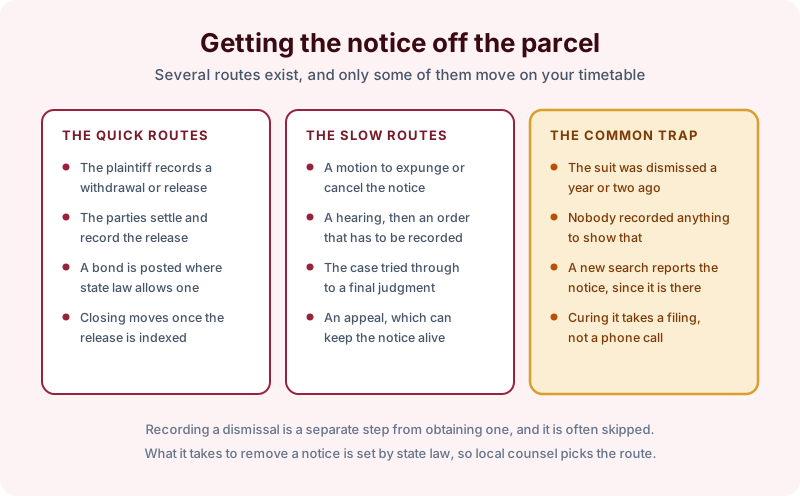
The quick routes run through the plaintiff. A withdrawal, a release recorded as part of a settlement, or in some states a bond substituted for the notice. Each ends in a recorded instrument, and the closing moves when that instrument is indexed, not when it is signed.
The slow routes run through the court. A motion to expunge or cancel, a hearing, an order, then the separate step of recording the order. Add an appeal and the notice can outlive your rate lock.
The common trap is a case that ended quietly. The suit was dismissed, everyone moved on, and nobody recorded anything to show it. The index still carries the notice, the next search still reports it, and curing that takes a filing rather than a phone call. Build the time in early, as you would on a release of collateral that needs a signature from somebody who stopped answering mail.
What the search finds, and what it misses
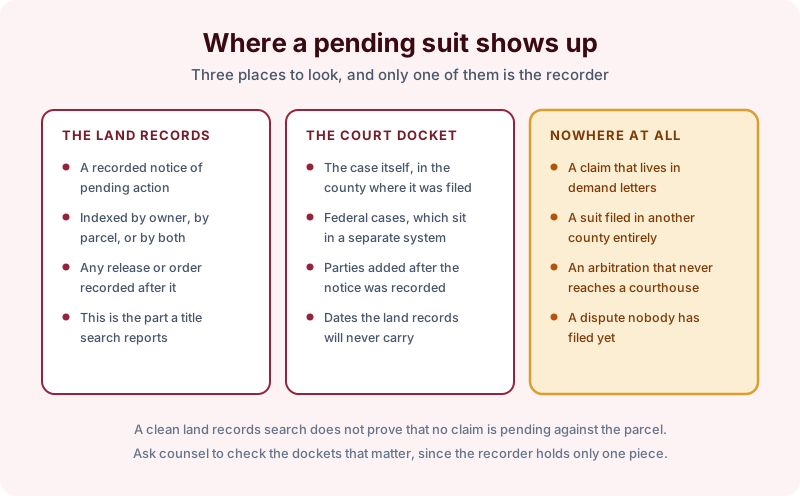
A title search reports what was recorded and indexed in the county searched, so a notice recorded there turns up, along with any release or order recorded after it. Give the abstractor the entity and individual names as well as the address, since some counties index these against the party rather than the parcel.
What a search cannot do is prove no suit exists. A plaintiff may never record a notice, and a case may be running in another county, in federal court, or in an arbitration that never reaches a courthouse. A clean report means every instrument found of record was reported, not that your borrower has no litigation.
The takeaway
A recorded notice of pending action is a small document that stops a closing cold, and its date decides whose problem the lawsuit becomes. Find it early, get the release or order recorded rather than promised, and ask counsel to read the notice and the docket behind it. The record tells you a claim was announced. Only the court file tells you where it stands.
Start the order online, or send us the funding letter if you want the scope matched to the requirement before anything is ordered.