

· AFX Research
What a Quiet Title Action in the Chain Means for SBA Collateral
A recorded decree in the chain is usually good news and never the end of the review. What it establishes, who it binds, and the service questions that decide whether it holds.
Table of Contents
A chain search comes back with a quiet title judgment recorded in 2016, and the reflex is relief. Somebody already found the problem, took it to court, and fixed it. That reading is often right and it is never automatic, because a decree binds only the people who were properly before the court, and the whole reason the action existed is that something in this chain was broken. It marks the spot where the risk was, which makes it worth more attention than a clean stretch of deeds, not less. It sits close to prior tax sale in the chain, where the same logic applies.
What the decree actually does
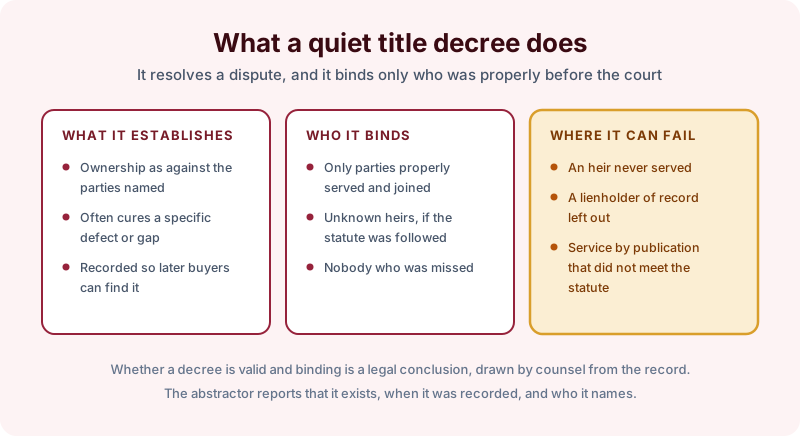
A quiet title judgment establishes ownership as against the parties named in it, usually curing one specific defect, and it gets recorded so later purchasers can find it.
The limit is in that first phrase. It binds the parties who were properly served and joined, and unknown heirs where the statute for reaching them was followed. It binds nobody who was missed.
So the failure modes are all about who was left out. An heir never served, a lienholder of record omitted from the caption, or service by publication that did not meet the statutory requirements. Any of those leaves a decree that looks conclusive on its face and may not be, and whether it holds is a legal conclusion rather than a records one.
Reading it in the chain
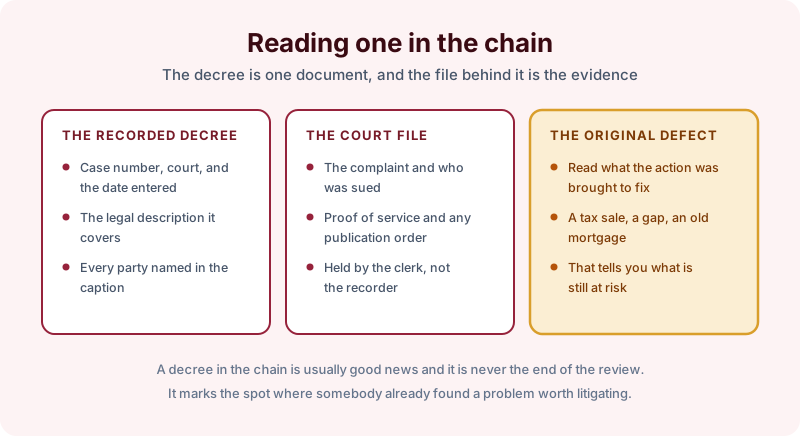
The recorded decree gives you the case number, the court, the date entered, the legal description it covers, and every party named in the caption. Check the description carefully, because a decree that quiets title to a portion of the parcel is common and easy to misread as covering all of it.
The court file behind it is where the evidence lives. The complaint and who was actually sued, proof of service, and any publication order are held by the clerk rather than the recorder, so obtaining them is a separate request. That division is the same one described in what an SBA title search cannot find.
Then read what the action was brought to fix. A tax sale, a gap in the chain, an old unreleased mortgage, a boundary dispute. Whatever it was tells you what category of risk this parcel has already demonstrated, and where to look next.
One pattern is common enough to name. Where the decree followed a tax sale, the defect being cured is the notice given to the former owner and to the lienholders, and that is precisely the ground on which these judgments get challenged later. A decree in that posture deserves a closer read of the service proofs than one entered to clear a fifty year old mortgage nobody disputes.
What a lender should do with it
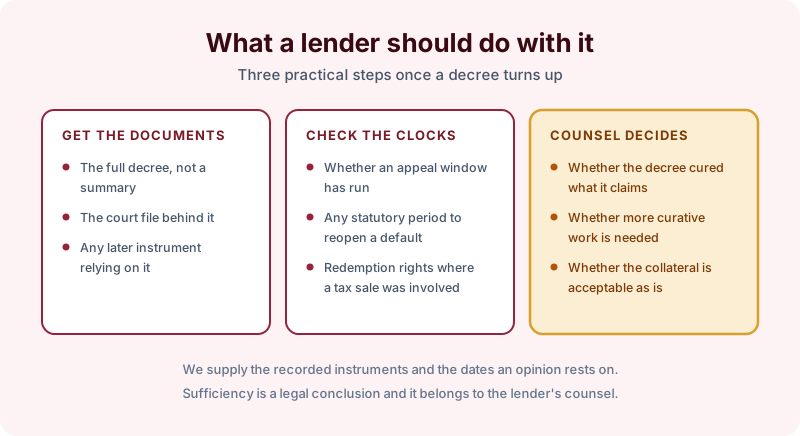
Get the full decree rather than a summary, get the court file behind it, and pull any later instrument that relies on it. Then check the clocks. Whether an appeal window has run, whether a statutory period to reopen a default judgment is still open, and whether redemption rights survive where a tax sale was involved are all time-sensitive facts with real consequences.
Whether the decree cured what it claims to have cured, whether further curative work is needed, and whether the collateral is acceptable as it stands are decisions for the lender’s counsel. We supply the recorded instruments and the dates that opinion rests on, and recording and indexing practice varies by county, so the report names the indexes actually reviewed.
The takeaway
Treat a quiet title decree as a signpost rather than a clearance. Read the description it covers, get the court file, check who was served, and find out what defect prompted it, because that defect is the thing most likely to come back. Start the order online, or send us the legal description and the county and we will tell you what a search of that scope would and would not cover before anything is ordered.