

· AFX Research
The SBA Disaster Loan Title Search: A Homeowner's Guide
Why the SBA verifies title before disaster funds disburse, what the search actually checks, the recorded deed of trust rule, and the inherited property snag to solve early.
Table of Contents
After a disaster, the SBA approval letter feels like the finish line. It’s close, but for larger loans secured by your property, there’s one more gate between approval and money: the title search. Here’s what it is, why the SBA requires it, and how to keep it from costing you a single extra day.
Why the SBA checks title at all
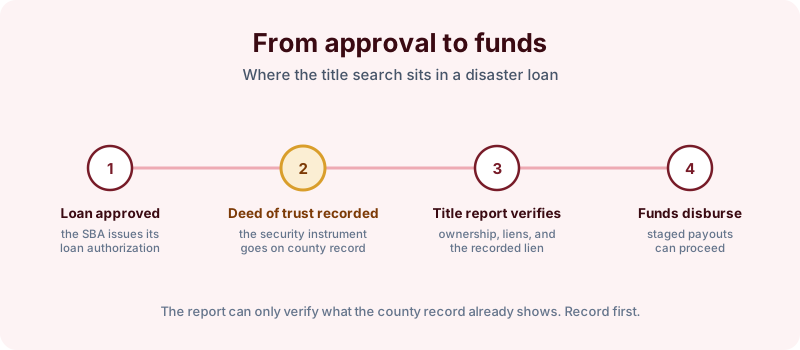
Larger disaster loans are secured by the damaged property itself. Before staged disbursements move, the SBA wants two things confirmed from the county record: that you actually own the property the loan is rebuilding, and that its security interest (the deed of trust you signed) has been recorded against it. A disaster assistance title search is how both get verified, by an independent examiner reading the record itself.
What the search verifies
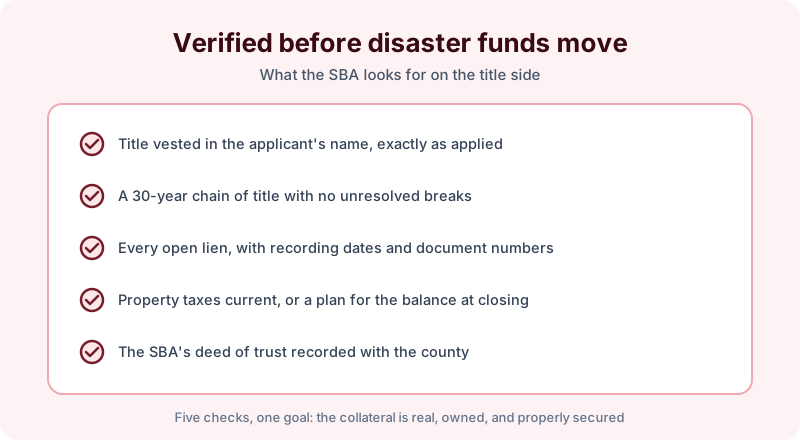
The disaster version of the report goes deeper than a simple owner lookup. It confirms title is vested in your name as it appears on the application, walks the chain of title back 30 years looking for unresolved breaks, lists every open lien with its recording date and document number, checks the property tax status, and verifies the SBA’s deed of trust on record. (For a section-by-section walkthrough of the report itself, start here.)
The recording rule
The single most preventable delay: the deed of trust that hasn’t been recorded yet. A signed copy in your loan file doesn’t count; the examiner can only verify what the county record already shows. If your loan officer hands you documents to record, or tells you recording is in process, confirm it’s actually on record before the title search is ordered. Everything else about turnaround time is secondary to this.
The inherited house problem
Disaster-hit homes are very often family homes, and family homes carry family title. The classic snag: the house has been “yours” for a decade, but the deed still names a deceased parent. Or the heirship paperwork exists but never made it to the county recorder. Or title sits in a trust and nobody can find the trust certificate.
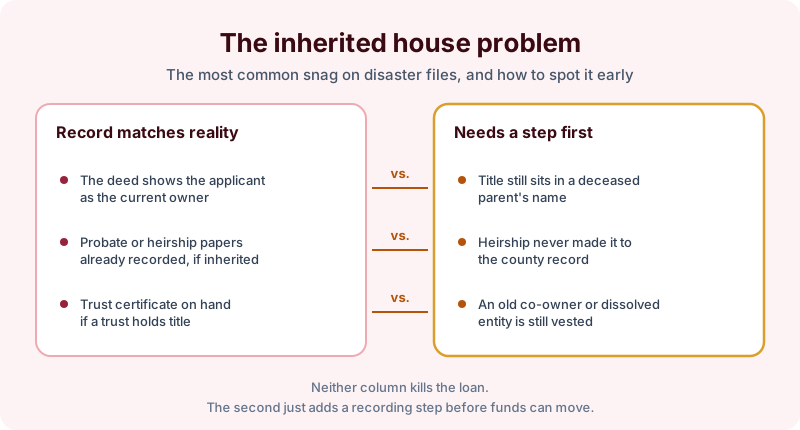
None of this kills the loan, but each one adds a recording step before funds can move, and each moves faster the earlier it’s flagged. Pull your most recent deed today. If the name on it isn’t the name on your application, tell your loan officer now and note it when the search is ordered, so the examiner knows what they’re looking at instead of reporting it as a surprise.
How long it takes
Most standard orders land in 3-5 business days, faster in counties with digitized records. The county’s own systems set the floor; a rural recorder with paper books can add days no title company can compress. If your disbursement is time-critical, tell us the deadline before ordering and we’ll say honestly whether the county can support a rush.
The takeaway
The title search is the last verification between your approval and your rebuild money. You control the two things that most often slow it down: get the deed of trust recorded, and surface any vesting wrinkles (inheritance, trusts, old co-owners) before the order goes in. When you’re ready, start your order online with the property address, county, and APN.