

· AFX Research
Five Title Problems That Delay SBA Loans, and How to Clear Each One
Unreleased mortgages, vesting mismatches, back taxes, judgment liens, and legal description errors: what each finding means and the standard fix for it.
Table of Contents
The report comes back and there it is: a finding. An old mortgage nobody remembers, a tax line with a balance, a name that doesn’t match. Take a breath. A finding is a to-do item, not a verdict. These five account for most of the stalled SBA files we see, and every one of them has a standard, well-worn fix.
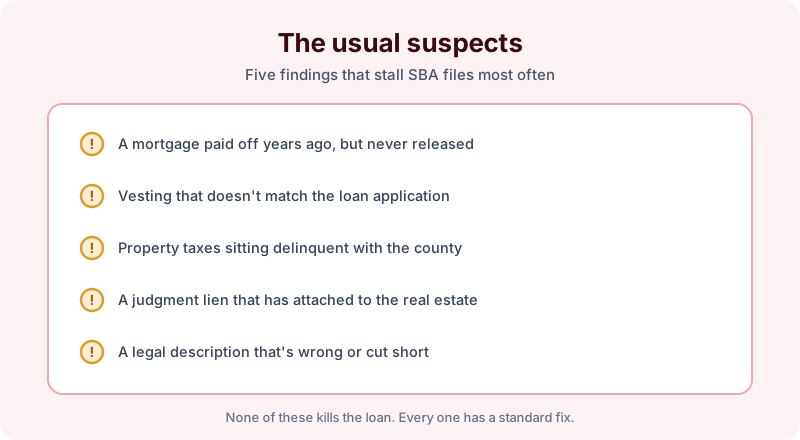
1. The mortgage that was paid off but never released
One of the most common findings in SBA title work. The borrower paid off a loan years ago, but the lender never recorded the release (in deed of trust states, the reconveyance). On paper, the county still shows an open lien, and the SBA’s position sits behind it.
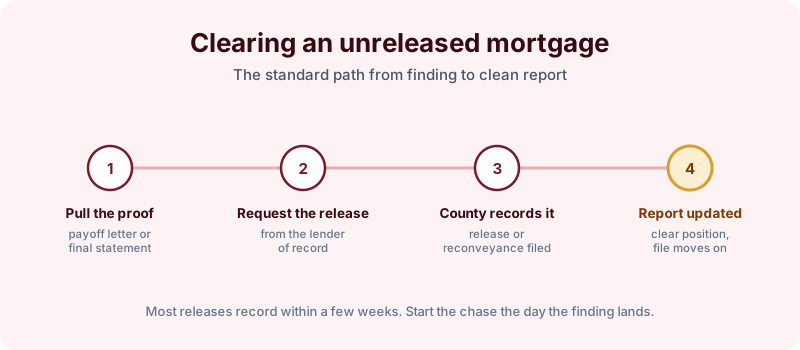
The fix: prove the payoff and chase the release. Dig up the payoff letter or the final statement, request the release from the lender of record, and have it recorded with the county. If the original lender was absorbed or dissolved, its successor holds the obligation; finding that successor is usually the slow part.
2. Vesting that doesn’t match the application
Title reads “The Smith Family Trust,” the loan application reads “John Smith.” Or the property sits in an LLC that was dissolved two annual reports ago. The SBA reviews against the record, so the record and the application have to agree.
The fix: conform the paperwork to the record, or the record to the paperwork. Sometimes a trust certificate explains the vesting; sometimes a corrective deed needs to be drafted, signed, and recorded. Either way, it moves faster when it’s caught early, which is why checking your deed against the application belongs on the pre-order checklist.
3. Delinquent property taxes
Property taxes are senior to nearly everything on the record, so an unpaid balance stands directly in front of the SBA’s security interest. The report shows the county’s current status either way.
The fix: the simplest of the five. Pay the balance and keep the receipt, and the updated search reflects it. On plenty of files the payoff simply happens at closing, out of proceeds.
4. A judgment lien against the borrower
A money judgment recorded against the borrower can attach to their real estate, and it follows the property into the lien stack. Small, old judgments surface this way all the time, sometimes ones the borrower barely remembers.
The fix: pay it and record the satisfaction, or, where the amount justifies it, negotiate. What matters to the SBA is lien position, so the judgment either comes off the record or gets addressed in the loan structure. Your lender will have a view on which.
5. A legal description that’s wrong or cut short
A prior deed with a truncated exhibit, a lot number typo, a metes-and-bounds call that doesn’t close. The SBA requires the full legal description, and a defective one gets the file kicked back.
The fix: a corrective instrument prepared from the last accurate deed of record. A title examiner can spot where the error entered the chain, which is most of the work.
What each fix typically takes
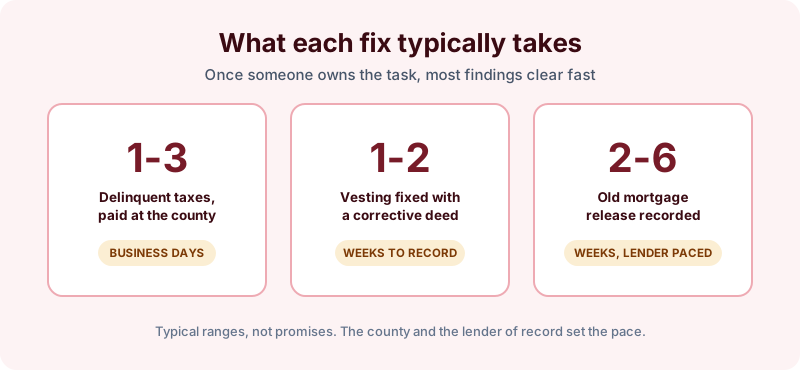
Taxes clear in days. A corrective deed usually takes a week or two, mostly signature logistics and the county’s recording queue. An old release is the wild card: a responsive lender records in a couple of weeks, while an absorbed one can take longer while the successor is tracked down. The common thread: every fix starts moving the day someone owns it. The expensive pattern is the file where the finding sits in an inbox.
The takeaway
Findings are normal. Order the search early, read it the day it arrives, and assign each item to a person. If a finding on your report doesn’t fit these five, or you’re not sure who should own it, send us the report and we’ll tell you what we’re seeing. And if you haven’t ordered yet, start here: finding these on day one beats finding them at funding.