

· AFX Research
Dissolved Entities in the Chain of SBA Collateral, and Who Can Sign
Why an LLC on the deed can have stopped existing without the land record showing it, the three routes back to a conveyance, and what each one costs in time.
Table of Contents
The title comes back clean. One deed in, no deed out, the grantee is an LLC, and the borrower is a member of it. Then somebody checks the secretary of state and finds the LLC was administratively dissolved in 2019 for an unfiled annual report. Nobody recorded anything about that, because nothing required anybody to.
This is one of the more common reasons a well scoped SBA closing slips, and it is entirely findable in advance. The catch is that it is not findable in the place most people look.
Two offices, two different questions
The county recorder answers questions about land. Who holds record title, what was conveyed and when, what liens were indexed against that name. It does that well, and a search of the land records will report the entity as the record owner because the entity is the record owner.
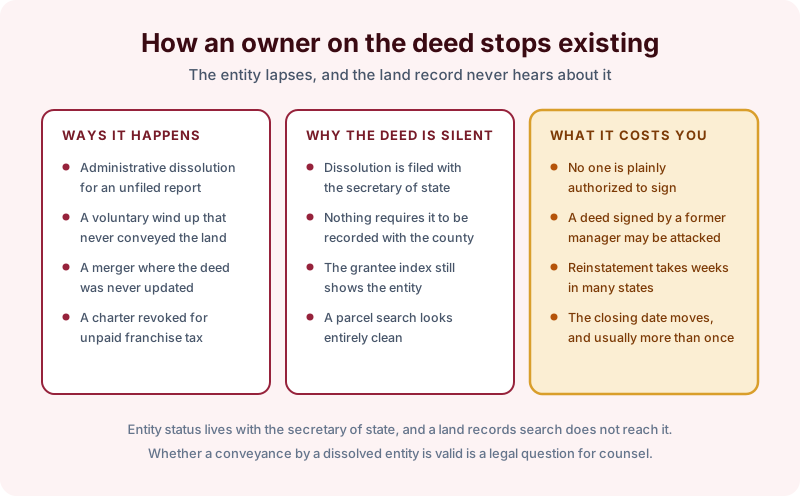
The secretary of state answers questions about the entity. Whether it exists, whether it is in good standing, when its status changed and why. These two offices do not talk to each other. An entity can lapse on Monday and the county index will look exactly the same on Tuesday, and on every Tuesday after that.
So a search that covers only the land records can report a clean chain on a parcel whose owner has not legally existed for six years. That is not a failure of the search. It is a question the search was never scoped to answer, which is the same distinction that governs what an SBA title search cannot find.
How an entity ends up defunct
Administrative dissolution is far and away the most common. A report goes unfiled, a franchise tax goes unpaid, and the state dissolves the entity without anybody at the company necessarily noticing. Small holding companies formed for a single property are particularly prone to it, because there is no operating business generating mail anybody reads. The same pattern shows up on a release of collateral, where the entity that has to sign the release lapsed years before anybody needed it to act.
Voluntary dissolution that never finished the job is the next. The members wound the company up and closed the bank account, and nobody remembered that the real estate was still titled in its name.
Mergers produce the same result by a different route. The surviving entity owns the property by operation of law, but the deed still names the entity that disappeared, and a buyer’s counsel will want to see the merger documented before relying on it.
Getting to a conveyance
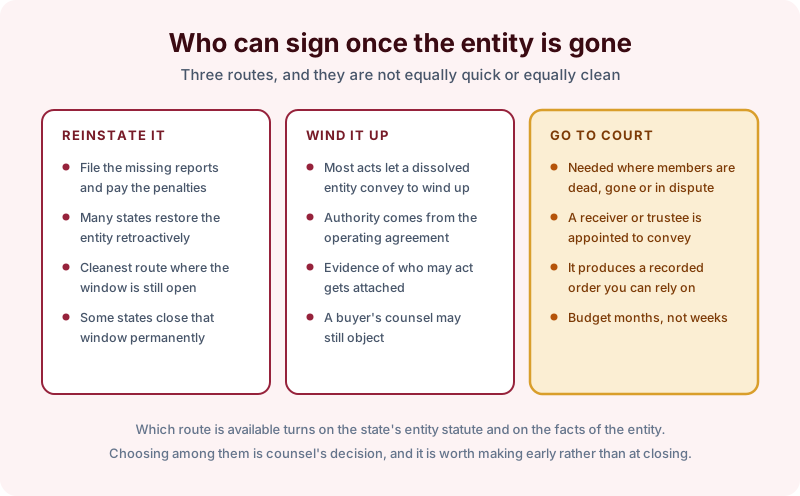
There are generally three routes, and they differ enormously in how long they take.
Reinstatement is the cleanest where it is available. File what was missed, pay the penalties, and many states restore the entity as though it had never lapsed. Some states allow this for a limited number of years and then close the door permanently, so the age of the dissolution decides whether this is even on the table.
Winding up authority is the middle path. Most modern entity statutes let a dissolved company act to wind up its affairs, and conveying its remaining real estate is squarely that. Evidence of who may act gets attached to the deed, and a cautious buyer’s counsel may still want more.
A court order is the route when the members are dead, scattered or fighting. A receiver or a trustee is appointed with authority to convey, and the resulting recorded order is about as solid as this gets. It is also the slowest by a wide margin.
What to order, and when
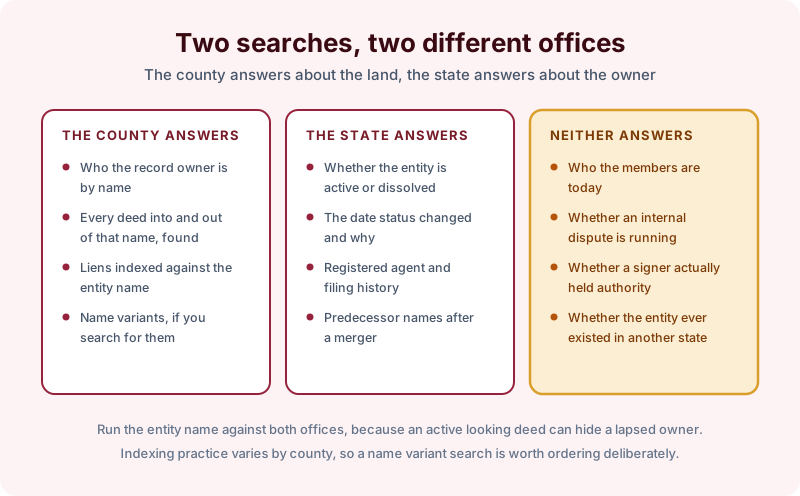
When collateral is held by an entity, pair the land records search with an entity status check at formation and at every state the entity has operated in. Ask for predecessor names, because a merger in the history means liens may be indexed under a name nobody is currently searching. The same discipline applies to entity name changes and mergers on SBA collateral.
What neither office tells you is who the members are today, whether a dispute is running among them, or whether the person who signed had authority. Those are questions for counsel, worth asking before a closing date is promised to anyone.
The takeaway
A clean chain of title tells you the entity owns the land. It does not tell you the entity still exists, and the gap between those two facts has moved more SBA closings than most people expect. Run the entity status alongside the search, early, and the remedy is usually a filing fee instead of a lawsuit.
Start the order online, or send us the entity name and the property address and we will tell you what a search of that scope would and would not cover before anything is ordered.