

· AFX Research
Federal Tax Liens on SBA Collateral: Priority and Release
A federal tax lien attaches to everything the taxpayer owns and is noticed under a name rather than a parcel. What to search, and what the remedies are.
Table of Contents
Federal tax liens turn up on SBA files more often than any other single encumbrance, for a straightforward reason: the borrowers are operating businesses, and payroll tax problems are common in businesses that need financing. The lien behaves differently from a mortgage or a judgment in ways that matter to a lender, and it has its own set of remedies. This is a specific case of the broader problem covered in title problems that delay SBA loans.
How the lien reaches the land
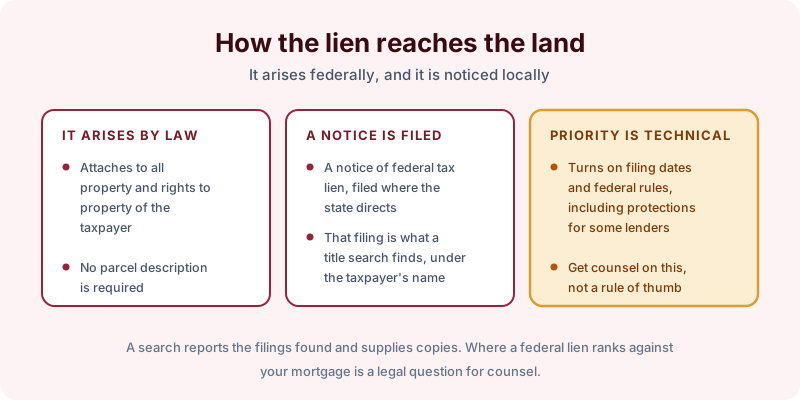
It arises by operation of law and attaches to all property and rights to property belonging to the taxpayer, with no parcel description required. That breadth is the first difference from an ordinary lien, and it means real estate acquired later can be reached as well.
A notice is filed where state law directs, commonly with the county recorder for real property, and that filing is what a title search finds, indexed under the taxpayer’s name rather than against the parcel.
Priority is technical. It turns on filing dates and on federal rules that include protections for certain lenders and purchasers in defined circumstances. This is one of the areas where a rule of thumb is genuinely dangerous, and where the lender’s counsel should be answering rather than the abstractor.
Release, and the narrower remedies
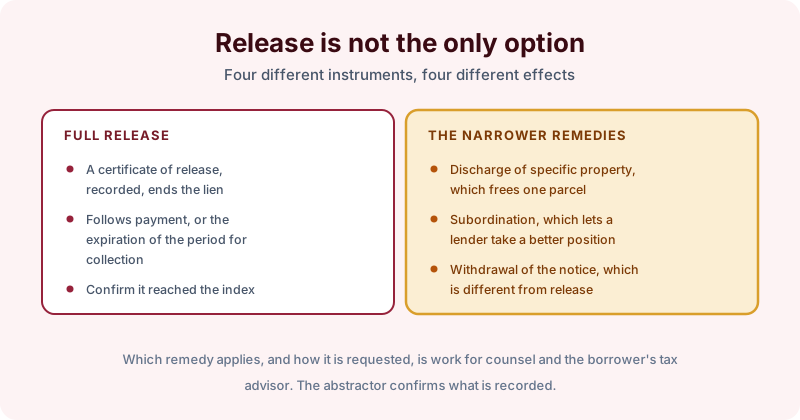
A certificate of release ends the lien, and it follows payment or the expiration of the collection period. Two practical points: it is a recorded instrument, so confirm it actually reached the index, and a lien that appears old may or may not still be effective, which is a question about dates rather than an assumption.
Three narrower remedies exist and they solve different problems. Discharge of specific property frees one parcel while leaving the lien in place elsewhere, which is frequently the right tool when only the collateral matters. Subordination lets a lender take a better position without the lien being removed, which can be exactly what an SBA closing needs. Withdrawal of the notice is a different thing again and does not mean the underlying liability is gone. Which remedy fits, and how it is requested, is work for counsel and the borrower’s tax advisor.
State tax liens deserve a parallel mention, since they operate under their own rules and are searched the same way, alongside the delinquent property taxes that show up against the parcel itself.
One more wrinkle affects borrowers who hold property through an entity. A lien noticed against an individual does not automatically reach real estate titled in a company name, and a lien against a company does not automatically reach the owner’s home, but both propositions have exceptions that turn on how the entity has been treated and on state law. Searching both sets of names is the practical response, and the analysis of what actually attached belongs to counsel.
Scoping the search
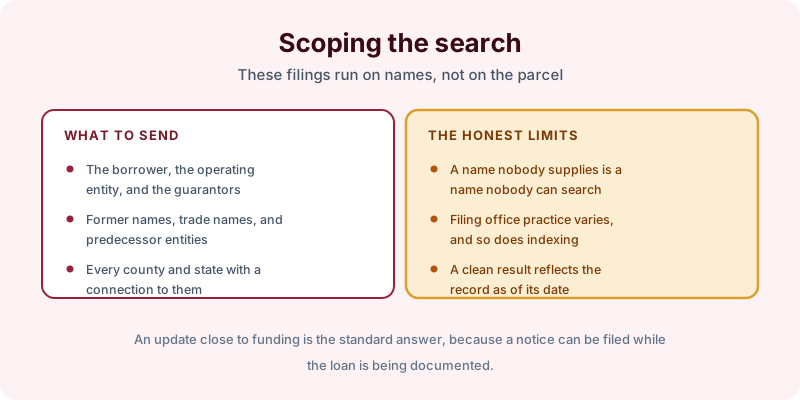
Because these filings are indexed by name, the name list is the search. Send the borrower, the operating entity, and the guarantors, plus former names, trade names, and predecessor entities, and every county and state with a connection to them. An entity that changed names after a reorganization is the classic miss, and the same discipline applies here as in judgment liens on SBA collateral.
Then time it properly. A notice can be filed while the loan is being documented, so an update close to funding is the standard answer, which is what the pre-closing title update exists for. A search reports the filings found and supplies copies, as of its own date. Filing office practice and indexing vary, a clean result reflects the record rather than proving no liability exists, and where a federal lien ranks against your mortgage is a legal question.
It is also worth asking the borrower directly about installment agreements. A taxpayer paying under an agreement may have a live notice on record, and the file needs the current payoff figure and the agency contact rather than an assumption that the balance in the notice is the balance today.
The takeaway
Search the names rather than only the parcel, get copies of every filing and every release, and involve counsel early on priority and on which remedy to pursue. Discharge or subordination is often available and often faster than waiting for a payoff. Start the order online, or send us the funding letter if you want the scope matched to the requirement before anything is ordered.