

· AFX Research
What a Gas Station or Fuel Site Needs From an SBA Title Search
Fuel sites carry supply agreements, sign easements, and sometimes a recorded covenant forbidding the very use the borrower plans. What the county record holds and what it does not.
Table of Contents
Convenience stores and fuel sites are common SBA collateral, and they are one of the few property types where two separate diligence tracks run at once. The environmental work gets most of the attention, for obvious reasons. The title work gets less, and it is where a deal quietly dies when a covenant recorded in 1974 turns out to forbid selling fuel on the parcel. The two tracks answer different questions, and only one of them reads the county record. Our note on SBA environmental policy and title records covers where the line falls.
Two files, one property
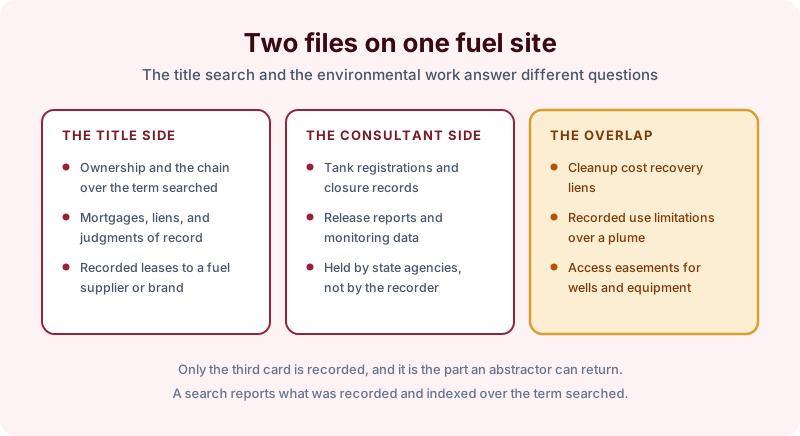
The title side establishes ownership and the chain over the term searched, the mortgages, liens, and judgments of record, and any recorded lease to a fuel supplier or brand.
The consultant side handles tank registrations, closure records, release reports, and monitoring data. All of that sits with state agencies, and the recorder has never seen any of it.
The overlap is the part worth naming. Cleanup cost recovery liens, recorded use limitations over a plume, and access easements letting a responsible party keep wells and treatment equipment on the site are all recorded instruments. They are the environmental facts an abstractor can actually return, and they bind whoever buys the parcel next.
The burdens these sites collect
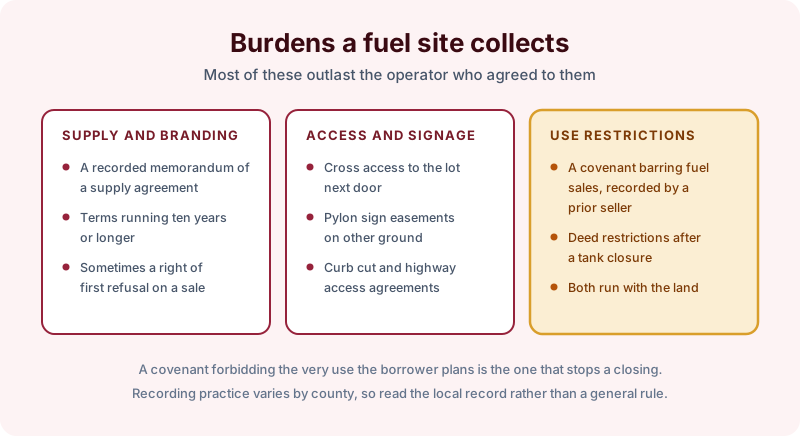
Supply and branding. A recorded memorandum of a fuel supply agreement, frequently running ten years or more, sometimes carrying a right of first refusal if the site is sold. That right can complicate a change of ownership the loan assumes will happen cleanly, which is the same trap covered in purchase options and first refusal on SBA collateral.
Access and signage. Cross access to the adjoining lot, a pylon sign easement sitting on somebody else’s ground, and curb cut or highway access agreements. On a corner site these are load-bearing, because losing the sign or the second entrance changes the business rather than just the paperwork.
Use restrictions. This is the one that stops closings. A prior owner selling the site to a competitor commonly records a covenant barring fuel sales, and a tank closure can leave deed restrictions behind as well. Both run with the land and neither is visible from the forecourt.
The pattern behind that last one is worth understanding, because it is deliberate rather than accidental. An operator closing a location and selling the real estate has every reason to stop the buyer competing with the store two blocks away, so a restriction against fuel sales, or against a convenience store, goes into the deed. Twenty years later the parcel comes back on the market as a fuel site and nobody involved remembers why it stopped being one.
Scoping it properly
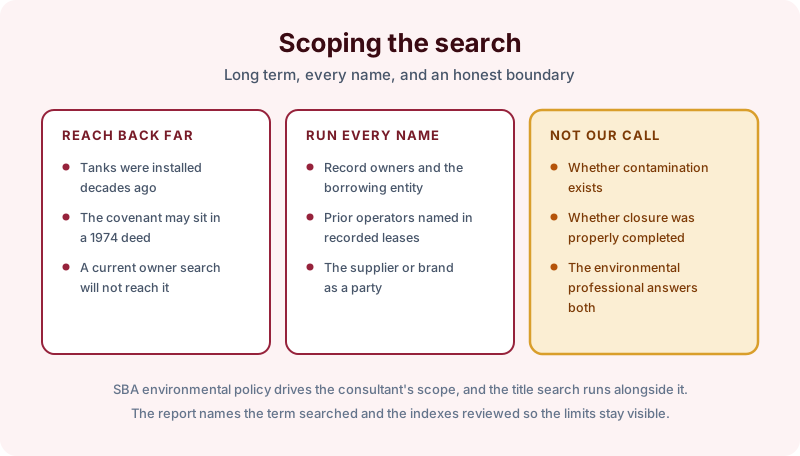
Reach back far enough. Tanks went in decades ago, and the covenant you need to find may be written into a 1974 deed that every conveyance since has been silent about. A current owner search will not get near it.
Run every name. Record owners and the borrowing entity, prior operators named in recorded leases, and the supplier or brand as a party in its own right. Entity name changes matter here as much as they do in entity name changes and mergers.
And keep the boundary honest. Whether contamination exists and whether a tank closure was properly completed are questions for the environmental professional. We report what was recorded and indexed over the term searched, with the instruments attached, and recording practice varies by county so where any of it sits is a local fact.
The takeaway
On a fuel site the title search is not a smaller version of the environmental work, it is a different question with its own failure mode. Search a long term, run the operators and the supplier alongside the owners, and read every recorded covenant before anyone assumes the pumps can keep running. Start the order online, or send us the address and the funding letter and we will tell you what a search of that scope would and would not cover before anything is ordered.