

· AFX Research
What HOA and POA Liens Mean for SBA Collateral and Lien Position
Where an association assessment lien shows up in the county record, why its priority is set by state statute rather than by the recording date alone, and what to send us.
Table of Contents
A borrower pledges a unit in a business park, a retail condominium, or a lot inside a commercial owners association, and the file moves along normally until someone asks whether the association is owed anything. That question is not decorative. An unpaid assessment can sit ahead of the lender in some states, and it can grow quietly between the day a report is issued and the day the loan funds. The place to start is the same place lien position on an SBA loan always starts, which is the county record.
The declaration is the instrument that creates the obligation
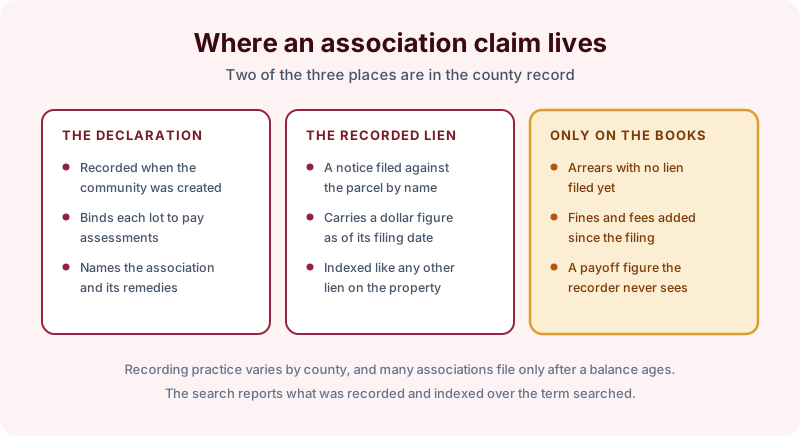
Assessments do not come from nowhere. A recorded declaration of covenants, conditions, and restrictions binds each lot or unit in the community to pay them, and it usually spells out what the association may do when a payment is missed. That declaration is recorded, indexed, and findable, and its recording date is one of the facts a lender needs.
Homeowners associations and property owners associations work the same way here. The label on the entity matters far less than what the recorded documents say about assessments and remedies, which is why a commercial parcel inside a business park deserves the same look as a residential unit. On a business expansion loan secured by a unit in a mixed development, the declaration is often the only recorded document explaining why a third party has a standing claim against the collateral at all.
A recorded lien and an unpaid balance are different things
The association’s claim reaches the county record only when the association files something. Until then the arrears live on the association’s own ledger, and no search of the recorder will produce them. This is the single most common surprise on this kind of collateral.
So a report that finds no association lien is telling you that nothing was recorded and indexed over the term searched. It is not telling you the account is current. Those are two different statements, and only the first one comes from the land records.
Priority is set by statute, not by the recording date alone
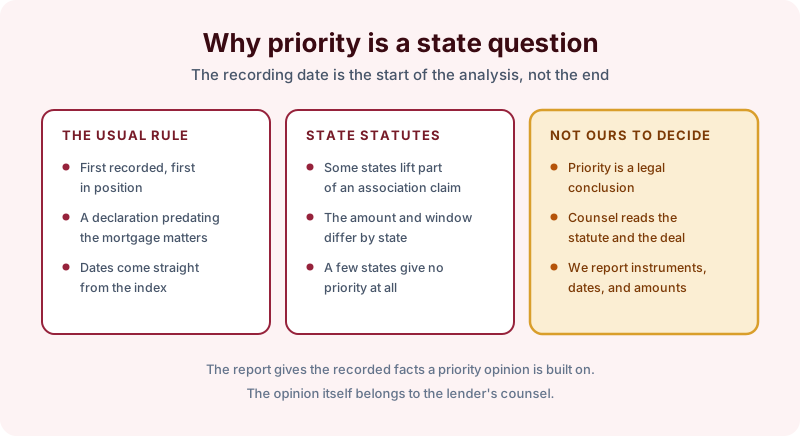
The ordinary rule is first recorded, first in position, and a declaration recorded years before the mortgage will show that on its face. Several states then modify the ordinary rule for association assessments, allowing some portion of a claim to stand ahead of an earlier recorded mortgage. The size of that portion and the window it covers are creatures of state law, and they are not uniform.
What we can do is give you the instruments and the dates cleanly, so the analysis rests on the record rather than on assumption. What the priority actually is on your deal is a legal conclusion, and it belongs to the lender’s counsel reading that state’s statute against your loan documents.
What to send us, and what has to come from the association
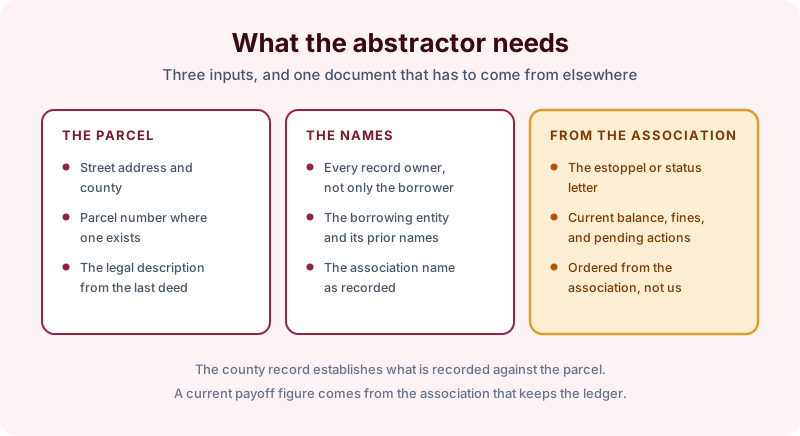
Send the address and county, the parcel number if you have it, the legal description from the last recorded deed, and every record owner name rather than only the borrower. If the borrower is an entity, include prior names, because a lien recorded against a former name is indexed under that former name.
Then order the estoppel letter, sometimes called a status letter, directly from the association. It reports the current balance, any fines, and any pending action, and no abstractor can produce it because the recorder has never held it. Pairing the two documents is what actually closes the gap. The same pairing matters on condominium and mixed use collateral, where a unit sits inside a governing structure the parcel record only partly describes.
The takeaway
An association claim has two halves, and only one of them is in the county record. Search the parcel to find the declaration, any recorded lien, and the dates that frame a priority question, then get a current balance from the association itself. Start the order online, or send us the address and the association name and we will tell you what a search of that scope would and would not cover before anything is ordered.