

· AFX Research
Condo and Mixed Use SBA Collateral: What a Search Covers
Why a commercial condominium unit sits three records deep, how association assessments behave differently from recorded liens, and how to scope a mixed use parcel before ordering.
Table of Contents
A borrower buying a suite in an office condominium, or a storefront with apartments over it, is buying something more complicated than a parcel. The deed conveys a unit, the unit exists because of a recorded declaration, and an association sits in the middle with claims of its own. None of that makes the loan harder to close. It does change what has to be searched, and it changes the questions worth asking before the order goes in. Our guide to choosing the right SBA title search covers scope choices generally.
A unit is three records deep
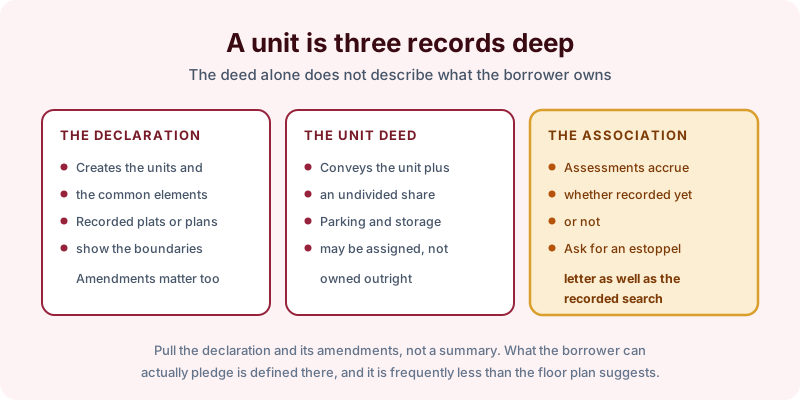
Start with the declaration. A condominium is created by a recorded instrument that divides a building into units and common elements, usually with recorded plats or plans showing where the boundaries fall. Amendments get recorded too, and they can change percentage interests, parking assignments, or use restrictions years after the original filing.
The unit deed conveys the unit plus an undivided share of the common elements. Read what comes with it. Parking spaces and storage areas are frequently assigned or licensed by the association rather than owned, which means they may not be pledgeable at all even though the borrower uses them daily.
Pull the declaration and its amendments rather than a summary. What your borrower can actually mortgage is defined there, and it is often less than the floor plan suggests.
How assessment liens behave
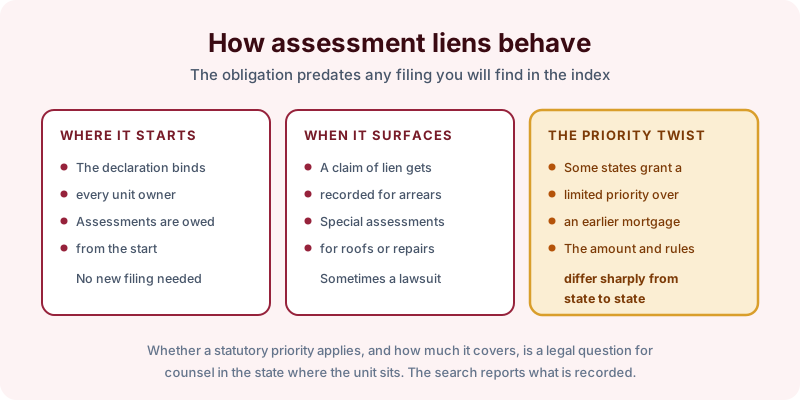
This is where a condominium file differs most from an ordinary one. The obligation to pay assessments comes from the declaration and binds every unit owner from the day they take title. Nothing new has to be filed for the debt to exist.
A claim of lien may be recorded later, once the owner falls behind, and a special assessment for a roof or a structural repair can appear with no warning in the index at all. Neither shows up in a search before it is filed.
Several states also grant associations a limited statutory priority over an earlier recorded mortgage for some portion of unpaid assessments. The amount and the mechanics differ sharply from state to state, and whether one applies to your file is a legal question for counsel where the unit sits. What a search does is report what has been recorded. Ask the association for an estoppel or account statement alongside it, because that is the only reliable way to learn what is owed but not yet filed.
Scoping mixed use collateral
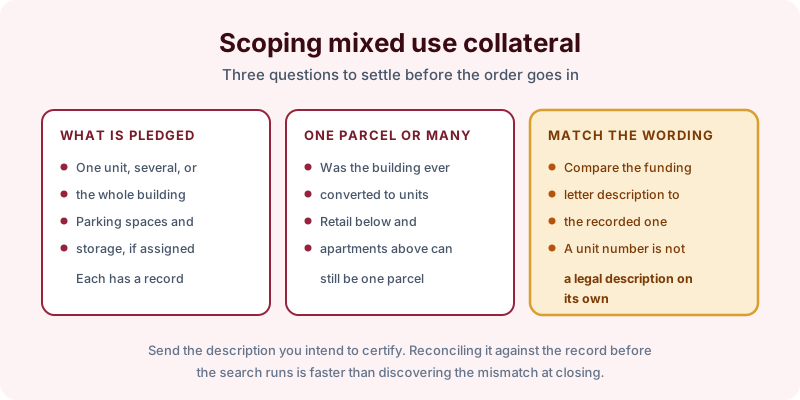
Mixed use raises a different question first: is this one parcel or several. Retail below and apartments above is very often a single parcel with a single legal description and no condominium regime at all, in which case the search is an ordinary commercial search. Sometimes the same building was converted to units decades ago, and only the record proves it. A recorded declaration is the tell, and without one there is no condominium regardless of how the space is occupied.
Then settle exactly what is being pledged. One unit, several, the whole building, and whether parking and storage are included. Each pledged item needs to be identified in the record, and a multi property file is scoped the same way whether the properties are in one building or five counties.
Last, compare the description in the funding letter against the description in the record. A unit number and a street address are not a legal description, and reconciling the two before the search runs is faster than discovering the mismatch at closing.
The takeaway
Treat the declaration as part of the collateral file, ask the association what is owed rather than relying on the index alone, and pin down exactly which units and appurtenances are being pledged before ordering. Matching that scope to what the funding letter requires is the last check. Start the order online, or send us the funding letter and the unit deed if you want the scope matched to the requirement before anything is ordered.