

· AFX Research
Lien Position on SBA Loans: Why It Decides What Collateral Is Worth
How recording order sets lien position, which liens outrank everyone by statute, and the two ways lenders move the SBA up the stack: payoffs and subordinations.
Table of Contents
An SBA title report never just asks whether liens exist against a property. It asks the sharper question: where will the SBA’s security interest sit among them? Position is the difference between collateral that actually secures a loan and collateral that only looks like it does, and it’s the single number reviewers read first.
First in time, first in right
County recorders time-stamp everything. With a handful of exceptions, priority follows that stamp: the lien recorded first gets paid first, and same-day ties break by document number. The bank that recorded its deed of trust in 2019 outranks the equity line from 2021, and both outrank whatever records tomorrow.
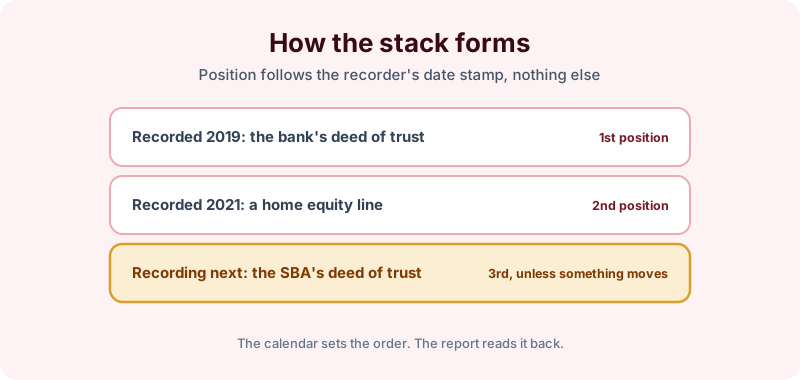
The math behind the concern is blunt. If the property is ever sold to satisfy the debt, proceeds pay the stack from the top down. A third-position lien on a property with two large seniors ahead of it may be secured by nothing but paper. That’s why the funding letter cares about position, not just existence, and why every open item in an ownership and encumbrance report carries its recording date and document number: those two numbers are the stack.
The line jumpers
The recording date rule has exceptions, and they’re the reason a clean-looking stack can still surprise you.
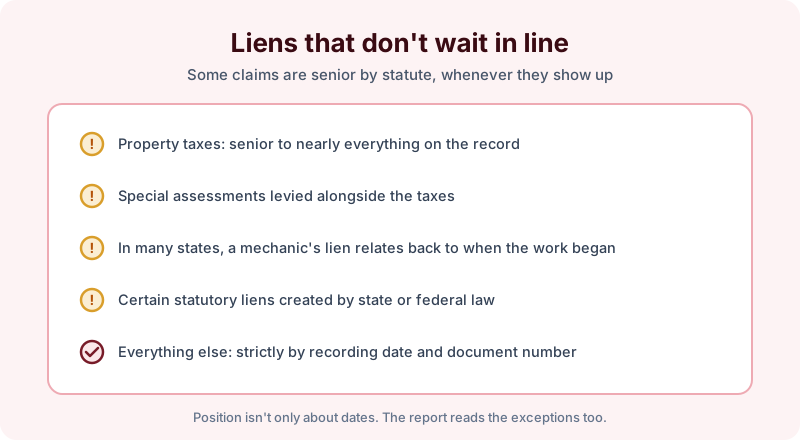
Property taxes sit senior to nearly everything, whenever they arise. Special assessments usually ride along with them. In many states, a mechanic’s lien relates back to the date work began on the property, not the date the lien was filed, which means a lien recorded in October can outrank a deed of trust recorded in July. A handful of other statutory liens behave similarly. This is exactly why the report checks the tax status and judgment indexes even when the recorded stack looks simple.
Moving the SBA up the stack
When the stack the report reveals doesn’t work for the loan, there are two standard moves.
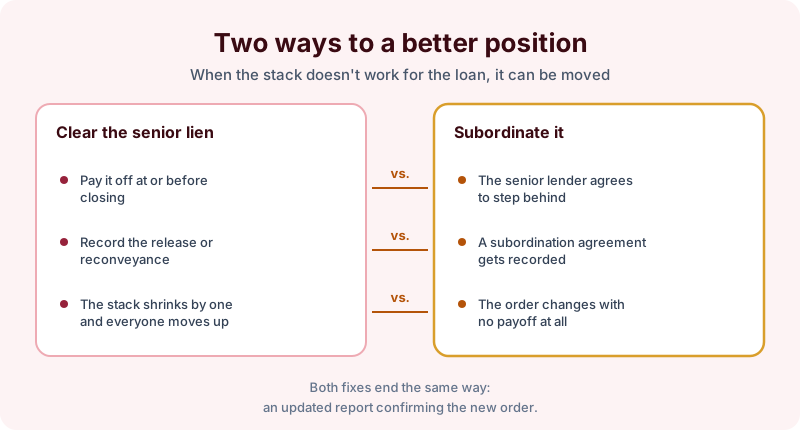
Clear the senior lien. Pay it off at or before closing and record the release, and everyone below moves up a slot. If the senior item is an old loan that was paid years ago but never released, that’s a paperwork chase rather than a payoff; here’s how that clearing process runs.
Subordinate it. The senior lender agrees, in a recorded subordination agreement, to step behind the SBA’s lien. No payoff changes hands; the order simply changes. Lenders do this more often than borrowers expect, particularly when the subordinating lender’s exposure is small.
Either way, the finish line is the same: an updated report confirming the new order on record.
The takeaway
Position is set at the recorder’s counter, adjusted only by statute or by signed agreements, and read back by the title report. If you’re underwriting an SBA file, order the report early enough that a position problem is a to-do item instead of a closing-week crisis. Start the order online, or send us the funding letter if you want the scope matched to the requirement before anything is ordered.