

· AFX Research
Prior Foreclosures in the Chain of SBA Collateral, and What Survived
What a trustee sale or a sheriff sale leaves in the county record, which junior liens it clears and which it does not, redemption windows, and how to scope the search.
Table of Contents
The chain on a commercial building runs quietly for forty years, and then a trustee deed turns up in 2014. The grantee is a bank, and eighteen months later the bank deeds the parcel to the borrower now pledging it to you on a business expansion loan. None of that is unusual, and it is also the one place in a chain where a great deal can go wrong without leaving a mark.
A foreclosure is meant to do two things at once. It moves title to whoever buys at the sale, and it clears the interests that were junior to the lien being foreclosed. Whether it did both is a question the next lender inherits, because the next lender is the one whose position rests on the answer.
What the sale leaves in the record
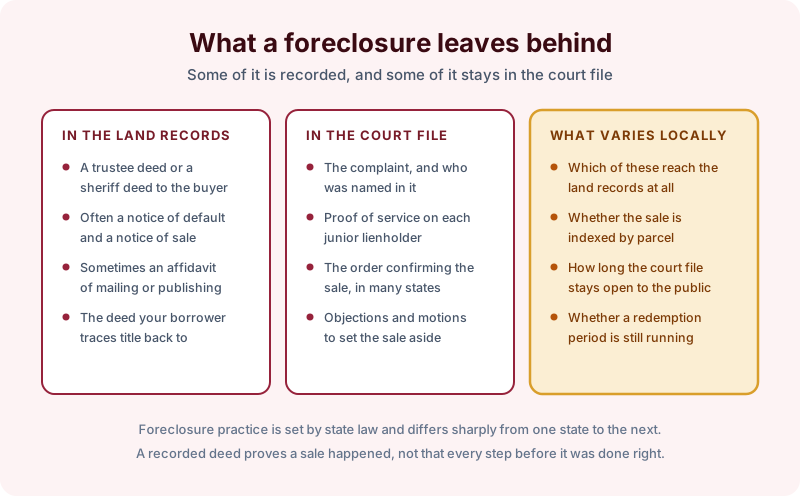
The deed is the easy part. States that allow a sale without a court produce a trustee deed or a deed under power of sale. States that require a court produce a sheriff deed, a commissioner deed or a referee deed, issued once the sale is confirmed. Either way a recorded instrument names a buyer, and your borrower traces title back through it.
The paperwork around it is where the story lives. A notice of default, a notice of sale, an affidavit of mailing, a certificate of sale, an order confirming what happened. Some of those are recorded as a matter of course. Others stay in the court file and never reach the recorder. Practice differs a great deal by state and often by county, so the office next door may hold far less.
What the sale cleared, and what it did not
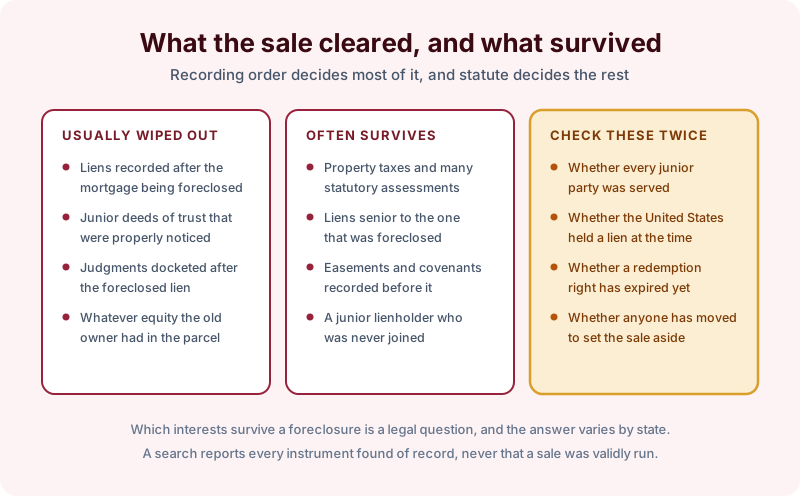
The general rule states easily. Interests recorded after the foreclosed lien are wiped out by the sale, and interests recorded before it survive. Lenders live in the exceptions.
Taxes and many statutory assessments survive whenever they attached, because they come from a statute rather than from recording order. That is part of why a prior tax sale in the chain reads so differently from an ordinary conveyance.
A junior lienholder who was never joined may not have been cleared at all. This is the classic defect. A judgment creditor recorded before the sale, nobody named that creditor in the proceeding, and in many states the lien stayed where it was. It surfaces years later, when somebody runs a fresh search for a new loan.
Federal liens carry their own rule. Where the United States held a lien, federal law requires notice to the government before a nonjudicial sale and gives the government a window to redeem afterward. How they attach and how long they run is covered in federal tax liens on SBA collateral.
The clock that keeps running after the sale
Redemption is the piece most people miss. A number of states give the former owner a period to buy the property back after the sale, measured in months and sometimes longer than a year. Until that window closes, title is not settled, and a lien recorded during it rides on an outcome nobody in your file controls.
Attacks on the sale run on their own clock. A party who was not served, or who says the notice was defective, can move to set the sale aside, and states limit how long that stays available. Whether it has run on your parcel is a legal question, not a records question.
Scoping the search on a parcel that came through a sale
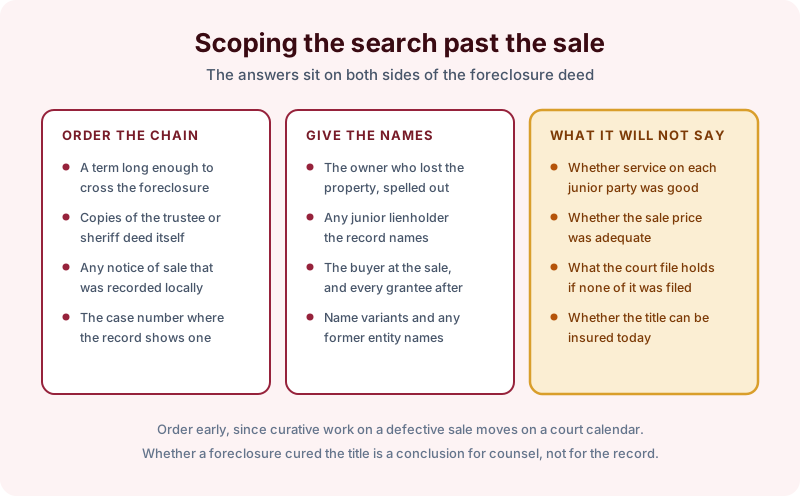
Order a term long enough to cross the foreclosure rather than stopping at it. A search that begins with the trustee deed reports a tidy chain and says nothing about what the sale was supposed to have cleared.
Give the abstractor names, not only an address. What survives a defective foreclosure is usually indexed against the owner who lost the property, so that name belongs in the search. Ask for copies of the foreclosure instruments, and whether the county records a notice of sale at all, since plenty do not. The same discipline pays off later, when a release of collateral sends somebody back through this chain under a deadline.
The takeaway
A recorded trustee deed proves a sale happened. It does not prove every step before it was done correctly, and it does not prove the junior liens you cannot see were cleared. Read past the foreclosure, search the former owner by name, and leave the survivors to counsel. The record reports every instrument found, and stays silent on the ones nobody filed.
Start the order online, or send us the funding letter if you want the scope matched to the requirement before anything is ordered.