

· AFX Research
A Prior Tax Sale in the Chain: SBA Collateral Title Checks
A tax deed anywhere in the chain can leave a marketability problem the lender inherits. What the record shows, and what has to be resolved before a closing date.
Table of Contents
Delinquent taxes on collateral you are lending against today are a payoff line, and our note on delinquent property taxes covers that. A tax sale that already happened, three owners back, is a different animal. Nothing is currently owed, nothing shows up as a lien, and the chain reads cleanly from the tax deed forward. The problem is what the tax deed itself delivered, because every warranty deed after it passes along exactly that and no more.
Not an ordinary deed
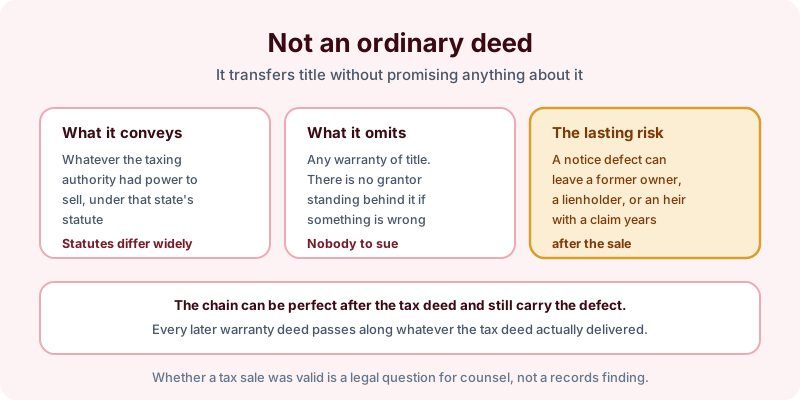
A tax deed conveys what the taxing authority had statutory power to sell. That is set by state law and the statutes differ widely, both in what passes and in what survives.
It carries no warranty. There is no grantor standing behind it, so if something was wrong there is nobody to look to.
The lasting exposure is notice. Tax sale statutes require notice to owners and lienholders, and where notice was defective, a former owner, a mortgage holder, or an heir who never received it may retain a claim long after the sale. That is the reason underwriters treat these differently from ordinary conveyances, and whether a particular sale was valid is a legal question for counsel rather than a records finding.
Three things to look for next
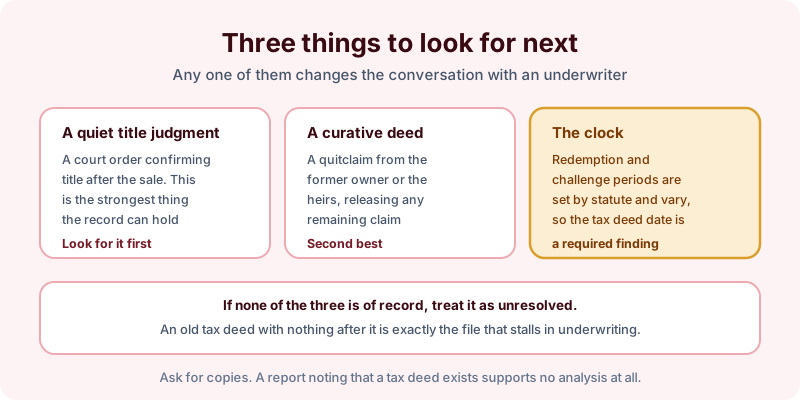
A quiet title judgment is the strongest thing the record can hold. Somebody sued, gave notice, and got an order confirming title. Where one exists, the file is in a very different position.
A curative deed is the second best outcome: a quitclaim from the former owner or the heirs, releasing whatever claim remained. These often exist because a prior buyer or lender insisted on one.
The clock matters independently. Redemption and challenge periods are set by statute and vary considerably, so the tax deed’s date is a required finding rather than a detail, and it belongs in the report with a copy of the instrument.
If none of the three appears, treat the question as unresolved rather than as probably fine. An old tax deed with nothing after it is precisely the file that stalls in underwriting.
A schedule problem, not a price problem
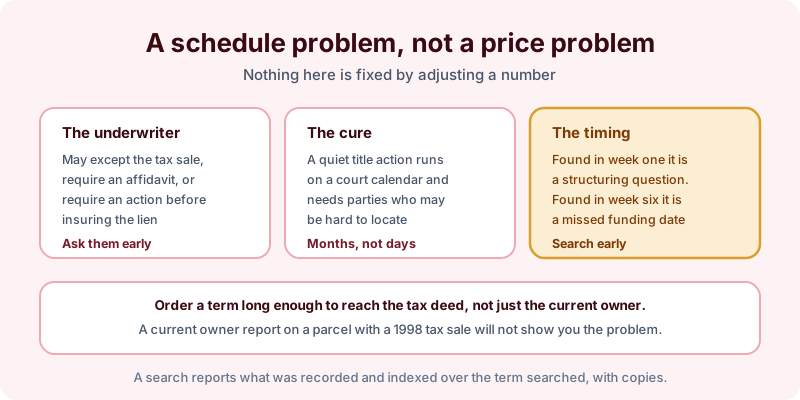
The lender’s practical question is whether the lien can be insured and the collateral resold. An underwriter may except the tax sale, ask for an affidavit, or require an action before insuring, and the difference between those three outcomes is weeks of calendar. Our note on SBA title reports versus title insurance covers where those two products divide.
Curing takes real time. A quiet title action runs on a court schedule and needs parties who may have to be located first. Found in week one this is a structuring conversation. Found in week six it is a missed funding date, which is the pattern our note on title problems that delay SBA loans describes.
One scoping point does most of the work here: order a term long enough to reach the tax deed. A current owner report on a parcel with a 1998 tax sale will not show the problem at all.
What the search will and will not settle
The search reports what was recorded and indexed for the parcel and names given, as of its date, with copies: the tax deed, any certificate of purchase or redemption, later conveyances, any quiet title judgment or curative deed, and the liens of record.
It cannot tell you whether notice satisfied the statute, whether the sale was valid, or whether an unnotified party still has a claim. It does not reach the treasurer’s or assessor’s files where the notice record sits, and those are worth requesting separately. Recording and indexing practice varies by county, so an empty result reflects the record rather than proving the chain is sound.
The takeaway
When a tax deed appears in the chain, get it and everything filed after it, ask the underwriter for its position before the commitment, and build the cure into the schedule rather than discovering it at closing. Start the order online, or send us the funding letter if you want the scope matched to the requirement before anything is ordered.