

· AFX Research
Reverter Clauses and Deed Restrictions on SBA Collateral
How a reverter or use restriction buried in an old deed can shrink the collateral, where these clauses are recorded, and what an SBA title search can and cannot settle about them.
Table of Contents
Most collateral problems announce themselves as a dollar figure. This one does not. A reverter clause written into a deed forty years ago says nothing about money, and it may never have been enforced, but it sets a condition on the ownership itself. If the condition fails, the estate the borrower pledged can end. That is a different category of risk from a lien, and it is one that zoning and use restrictions on SBA collateral only partly covers, because a zoning rule is public regulation while this one travels with the deed.
Two shapes, and the wording tells you which
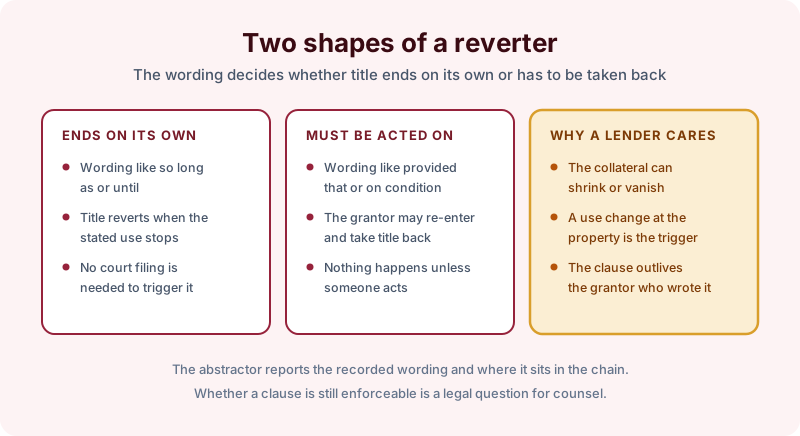
Some clauses end an estate automatically. Wording along the lines of so long as the property is used for a library, or until the land ceases to be farmed, describes a determinable fee. When the stated use stops, title reverts by its own terms, and nobody has to file anything for that to have happened.
Others give someone the right to take the property back. Wording such as provided that, or on condition that, describes a condition subsequent. Here the estate continues until the grantor or a successor actually acts to recover it, which means a breach can sit unresolved for years and still be live.
Either way, the practical concern for a lender is the same. The collateral is not simply encumbered, it is conditional, and the condition usually turns on how the property is used.
Three places the language gets created
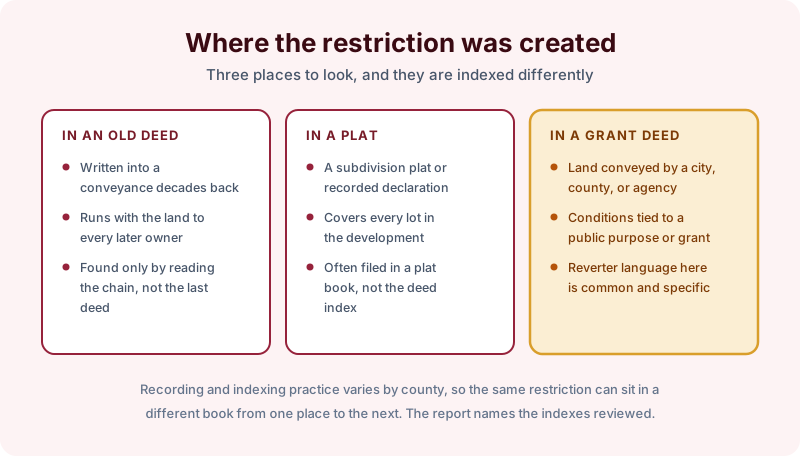
The first is a deed somewhere back in the chain. The clause runs with the land, so every later deed can be silent about it while the restriction stays perfectly alive. Reading only the most recent deed will miss it, which is one of the plainer arguments for a search term long enough to reach the conveyance that created it.
The second is a subdivision plat or a recorded declaration covering the whole development. These are frequently filed in a plat book rather than the deed index, and a search that never opens that book will not report them. The plat is also where a good many legal description problems on SBA collateral start, so the two reviews tend to happen together.
The third is a conveyance out of a public body. Land sold or transferred by a city, county, port district, or redevelopment agency very often carries conditions tied to the public purpose behind the transfer, and reverter language in those documents is both common and specific. If your borrower acquired the site from a public entity, read that deed closely.
What the search settles and what it does not
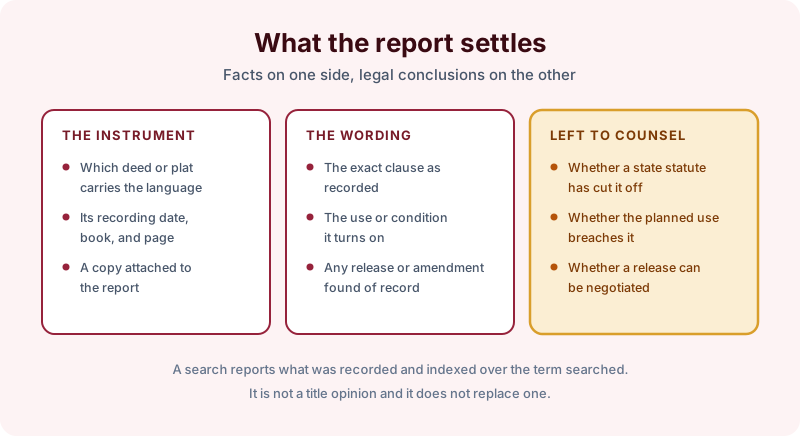
We report which recorded instrument carries the language, when and where it was recorded, the exact wording as recorded, and any release or amendment found of record. The instruments come attached, so nobody is working from a paraphrase.
That record also matters later. When the loan is paid down and you are working through a release of collateral, the reverter is still attached to the parcel and still worth naming in the file.
We do not tell you whether the clause is still enforceable. Many states have statutes that cut off ancient reverters and rights of re-entry unless a preservation notice was filed, and those statutes vary in scope and in how they treat public grantors. Whether the borrower’s planned use breaches the condition, and whether a release can be negotiated with whoever holds the right, are questions for the lender’s counsel. Recording practice varies by county as well, so the same restriction can be indexed differently from one place to the next.
The takeaway
A reverter is a condition on the estate rather than a claim against it, which is exactly why it slips past a review focused on liens. Search far enough back to reach the deed that created it, read the plat book, and look hard at any conveyance from a public body. Then hand the wording to counsel. Start the order online, or send us the address and the funding letter and we will tell you what term fits and what a search of that scope would and would not cover before anything is ordered.