

· AFX Research
SBA 504 Loans: What the Two-Lien Structure Means for Title Work
How a 504 project splits into a bank first lien and a CDC second lien, why two reviewers means two requirement sets, and the timing gap that makes an update routine.
Table of Contents
Most SBA title work follows a 7(a) pattern: one lender, one lien, one set of conditions. A 504 project does not work that way. It funds through two loans that record separately, at different times, for different parties, and that structure changes what the title report has to prove and when it has to prove it.
Two loans, two recorded liens
A 504 project splits the financing three ways. A third party lender, usually a bank, provides roughly half the project cost and records first. A Certified Development Company provides up to 40 percent through a debenture backed by the SBA, and records behind the bank. The borrower contributes the remaining 10 percent or more as equity, which puts nothing on the record.
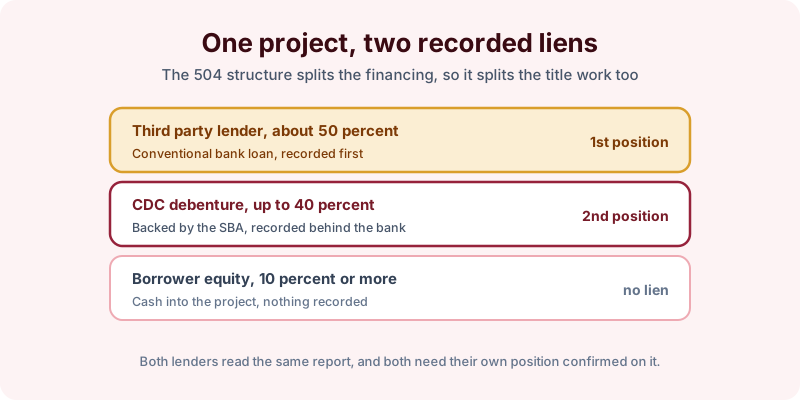
The practical consequence is that one property ends up carrying two new liens from the same transaction, and each lender needs its own position confirmed on the record. The second position is not a lesser concern. The CDC is lending real money behind the bank, so it cares intensely about what sits ahead of it, which is exactly what lien position is about.
Two reviewers means two checklists
Because two institutions are lending, two people review the title work, and they are not working from the same document.
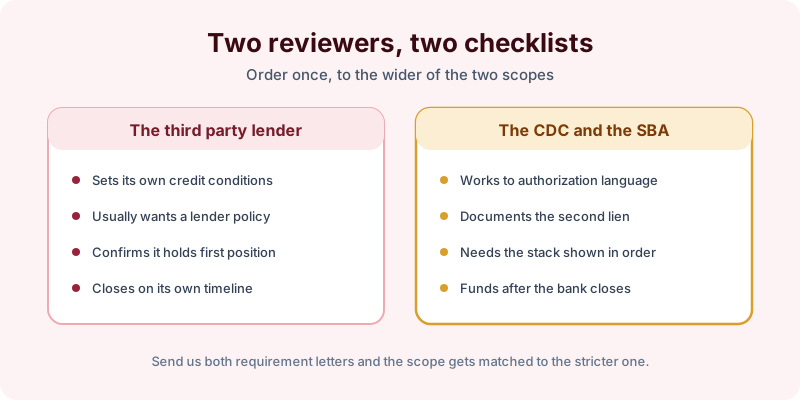
The bank applies its own credit policy and commonly wants a lender’s title policy for its first lien. The CDC works to the language in the SBA authorization, which specifies what has to be documented for the second lien. These requirements overlap heavily, but they are rarely identical, and the mismatch is where duplicate orders and wasted days come from.
The fix is unglamorous: get both requirement sets in hand before ordering anything, then order once to whichever scope reaches further. A report that satisfies the stricter requirement satisfies the looser one automatically. Guessing, or ordering to the requirement that arrived first, is how a file ends up paying for two searches and waiting through both.
The timing gap nobody warns borrowers about
Here is the wrinkle specific to 504. The bank closes at the project closing. The CDC debenture funds later, sometimes considerably later, after the debenture is pooled and sold. Between those two events, the property sits with a first lien recorded and the second one still pending.
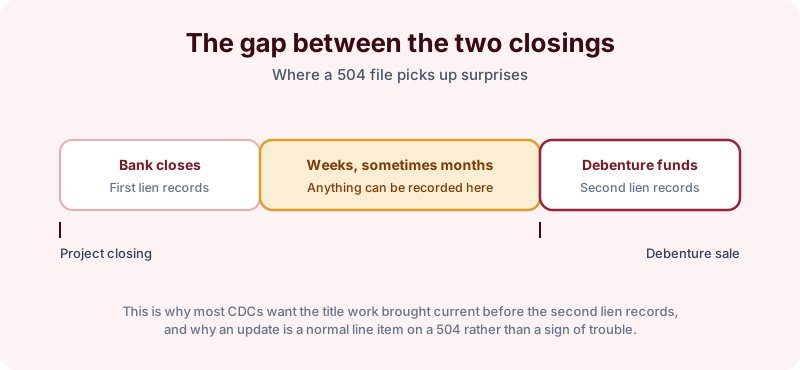
Anything recordable can be recorded during that interval: a judgment against the borrower, a tax lien, a mechanic’s lien from the construction the loan is financing. That last one is worth pausing on, because 504 projects frequently involve building or renovating, and in many states a mechanic’s lien relates back to the date work began rather than the date it was filed. A lien filed after the bank closed can therefore claim a priority date before it.
For that reason, most CDCs want the title work brought current before the second lien records. An update on a 504 file is a normal line item, not a sign that something went wrong.
What this means for ordering
A few habits keep 504 title work from becoming the critical path. Order early, as soon as the project is real, because a position problem found in underwriting is a task and the same problem found in closing week is a delay. Order to the wider scope so one report serves both reviewers. Expect an update before the debenture funds and budget the days for it. And if the project involves construction, flag that when you order, since the lien risks behave differently when work is underway.
Where the collateral is being purchased as part of a business expansion, the search also has to establish what the borrower is actually acquiring, which is a scope question worth settling before anyone orders.
The takeaway
A 504 is two loans wearing one project’s name, and the title work has to serve both of them across a gap in time. That is entirely manageable when it is planned for and genuinely disruptive when it is discovered late. Send us the bank’s requirements and the SBA authorization together and we will scope one search to cover both. Start the order online, or send us the funding letter if you want the scope matched to the requirement before anything is ordered.