

· AFX Research
SBA Collateral Held in a Trust or an Estate: What to Search
When the deed names a family trust or a decedent, the search has to reach further. Which names to run, what the record settles, and what has to come from the borrower.
Table of Contents
Owner operators hold real estate in family trusts constantly, and small business collateral inherited from a parent shows up on SBA files just as often. Either way the deed names something other than your borrower, and that changes both the search and the file. The records half is straightforward once you know what to ask for. The authority half is not a records question at all, and keeping the two apart is what keeps a closing on schedule. Our note on what the funding letter requires is the companion to this.
A trust and an estate are different problems
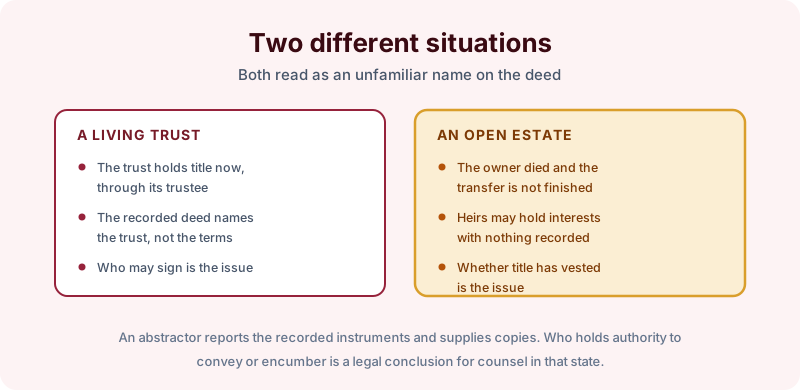
With a living trust, title is settled. The trust holds the property through its trustee, the deed into the trust is recorded, and the open question is who has authority to sign for it now.
With an open estate, title is mid transfer. The owner died, and depending on the state and on how the property was held, interests may have passed to heirs with nothing recorded to show it. Disaster loan files hit this constantly, and our disaster loan guide goes further into the inherited property sequence.
The two look identical on a report cover page, which is why the file should say which one it is before anyone orders a search.
There is a third variation worth naming, because it comes up on older residential collateral. A property can sit in a trust that was created but never funded, meaning the trust exists on paper while the deed still stands in the individual’s name, or the reverse, where a deed moved the property in but nobody told the lender. Both are ordinary, and both are found by comparing the recorded deed against what the borrower says they own.
Three name lists
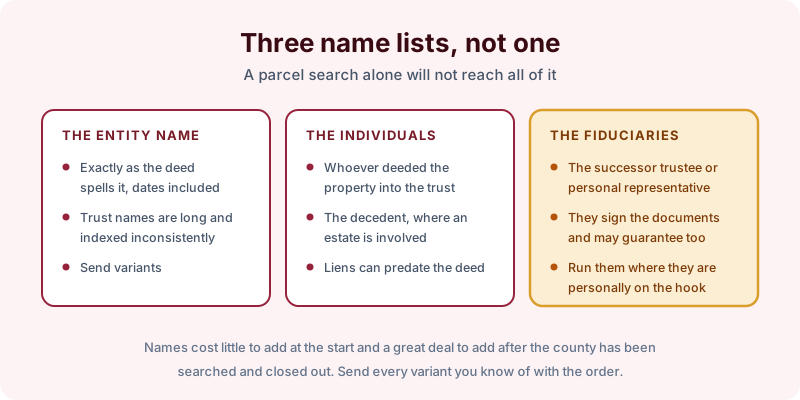
The entity name, spelled exactly as the deed spells it, including the date many trust names carry. Trust names are long and get indexed inconsistently, so send the variants you know of.
The individuals. Whoever deeded the property into the trust, and the decedent where an estate is involved. Liens recorded against a person before the transfer can still affect the parcel, and a search run only against the trust name will not find them.
The fiduciaries, meaning the successor trustee or personal representative, where they are personally guaranteeing the loan. That is the same two searches logic from our note on judgment liens: the entity that holds title and the people on the hook are separate name searches, and both belong in the file.
Add the names at the start. They cost little to include with the order and a great deal to add once the county has been searched and closed out, and a second round of searching is the fastest way to lose a week on a closing calendar.
What the record settles, and what it does not
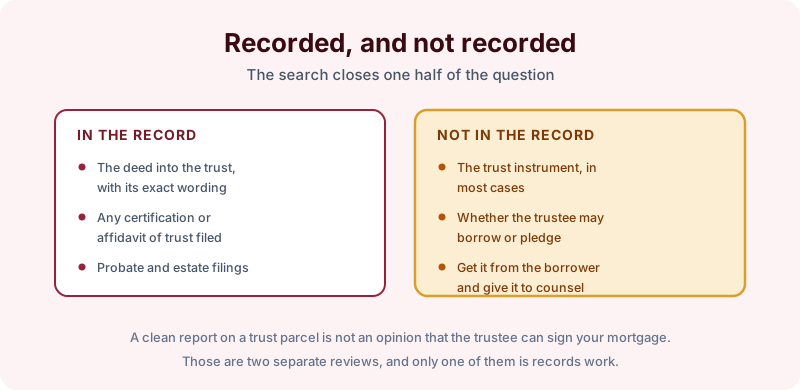
The search gives you the recorded deed into the trust and its exact wording, any certification or affidavit of trust that was filed, the probate or estate filings where they were recorded locally, and every lien, judgment, and mortgage found against the parcel and the names searched, with copies attached.
What it does not give you is the trust instrument. Trusts are generally private documents and are usually not recorded, so the powers a trustee holds, including whether the trustee may borrow against trust property at all, come from the borrower rather than the county. A clean title report on a trust parcel is not an opinion that your mortgage will be validly executed. Those are two separate reviews, and only one of them is records work.
A search reports what was recorded and indexed in the county searched, as of its date. Recording and indexing practice varies by county, and an empty result reflects the record rather than proving nothing exists. Who holds authority to convey or encumber is a legal conclusion for counsel in that state.
The takeaway
Decide first whether you are looking at a trust or an unfinished estate, then run the trust name, the individuals who deeded it in, and any guaranteeing fiduciary as separate searches. Collect the trust instrument from the borrower on a parallel track, because the record will not supply it. Start the order online, or send us the funding letter and the deed if you want the scope matched to the requirement before anything is ordered.