

· AFX Research
Leasehold Collateral on SBA Loans: What to Search and Why
How leasehold collateral differs from fee ownership, the lease terms lenders read first, why the ground owner gets searched too, and what recording practice leaves out.
Table of Contents
Plenty of SBA borrowers do not own the ground their business sits on. Restaurants in strip centers, franchises in shopping plazas, and operations on ground-leased pads all occupy space under a lease, and when that lease is the real estate collateral, the search looks different from an ordinary owner search. It has to, because there are two estates in the parcel and the borrower only holds one of them. Our guide to choosing the right SBA title search covers the scope choices generally.
Two estates in one parcel
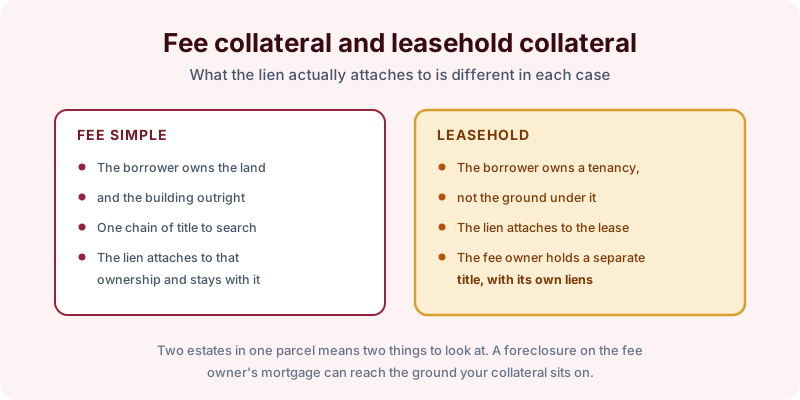
With fee simple collateral, the borrower owns land and improvements, and the lien attaches to that ownership. There is one chain of title, and it belongs to your borrower.
With leasehold collateral, the borrower owns a tenancy: a contractual right to occupy for a term. A leasehold mortgage attaches to that interest, not to the dirt. The fee owner, meaning the landlord, holds a separate estate with its own chain of title, its own mortgages, and its own tax exposure. Both matter to you, because a foreclosure on the landlord’s mortgage can reach the ground your collateral sits on.
The lease terms a lender reads first
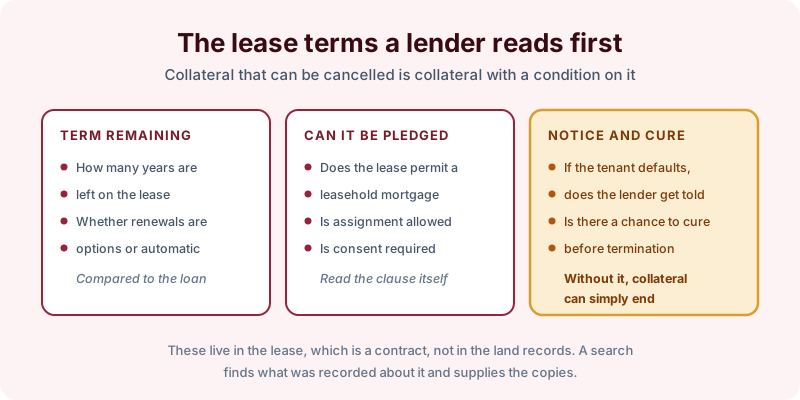
Three provisions carry most of the weight. Remaining term, compared against the amortization of the loan, since collateral that expires before the note does is a problem to solve at underwriting rather than at maturity. Renewal options are not the same as automatic renewals, and the difference is in the wording.
Whether the lease can be pledged at all. Many leases prohibit a leasehold mortgage outright, or permit one only with the landlord’s written consent. Notice and cure rights are the third, and the most commonly overlooked. If the tenant defaults on rent and the landlord can terminate without telling the lender, the collateral can evaporate while the loan is current.
These provisions live in the lease, which is a private contract. A search finds what was recorded about the tenancy and supplies the copies; the full document usually has to come from the parties.
Why the ground owner gets searched too
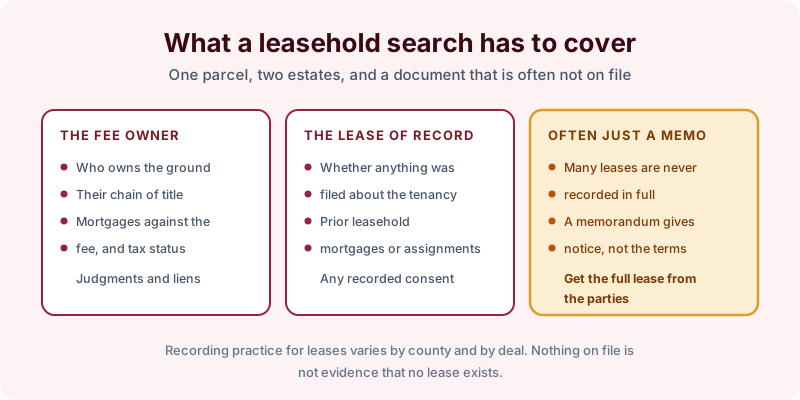
A search limited to the borrower’s name will miss most of what matters here. The landlord’s title needs its own look: who actually owns the fee, what mortgages are recorded against it, whether property taxes are current, and whether judgments or liens have attached. Unpaid taxes on the fee can put the whole parcel at risk regardless of how faithfully your borrower pays rent.
Recorded leasehold mortgages and assignments from prior tenants are worth pulling as well. They show whether this landlord has done leasehold financing before, and occasionally they surface a consent or an estoppel that was recorded and then forgotten.
What recording practice leaves out
Here is the honest limit. Many commercial leases are never recorded in full. The common practice is a short memorandum of lease, which gives notice that a tenancy exists and identifies the parties and term without disclosing rent, use restrictions, or the mortgage and cure provisions you actually need. Some leases are not recorded at all, and practice varies by county and by deal.
That means a search reports what was found of record, and nothing on file is not evidence that no lease exists. Build the file from both directions: the recorded picture from the search, and the executed lease plus a landlord estoppel or consent from the parties. Our business expansion page covers where these searches usually fit in a 7(a) timeline, and our requirements guide covers matching scope to the funding letter.
The takeaway
Leasehold collateral is two searches and one contract review, not one search. Look at the tenancy, look at the ground beneath it, and read the lease for term, pledgeability, and cure rights before the position gets certified. Start the order online, or send us the funding letter and the lease if you want the scope matched to the requirement before anything is ordered.