

· AFX Research
Spousal Joinder and Homestead Rights on SBA Loan Collateral
Why a non borrowing spouse may still have to sign, what the land records show about marital rights, and the two lines on the order form that prevent the delay.
Table of Contents
The deed names one spouse. The borrower is one spouse. The mortgage is prepared for one signature, and then the closer says the other spouse has to sign too. This is one of the most common last minute surprises on SBA files secured by residential or owner occupied collateral, and it is almost always avoidable, because the facts that trigger it are visible in the record weeks earlier. It sits next to the questions raised by personal residence collateral.
One borrower, two signatures
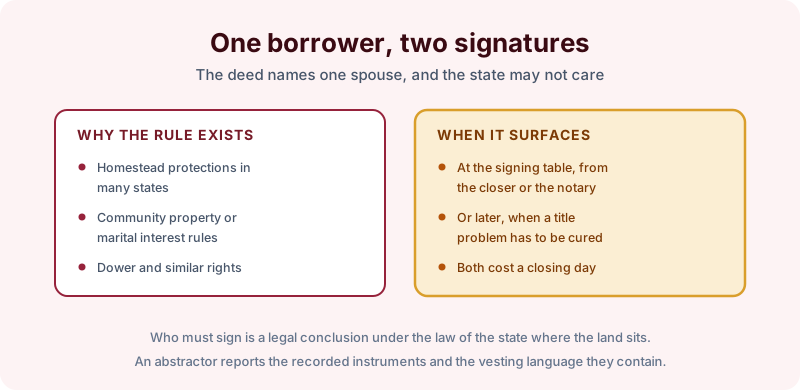
Several bodies of state law can give a spouse an interest in property titled in the other spouse’s name alone. Homestead protections in many states restrict encumbering or conveying the family home without both signatures. Community property rules treat property acquired during the marriage as jointly owned in a handful of states regardless of the deed. Dower, curtesy, and elective share style rights survive in others in modified form.
The practical effect is the same in each case. A mortgage signed by only one spouse may be attackable, so title companies and closers insist on joinder, a waiver, or a disclaimer, and they insist on it at the table. Which rule applies, and whether joinder is required at all, is a legal conclusion under the law of the state where the land sits. That determination belongs to counsel, and an abstractor who offers one is out of position.
What the record does show
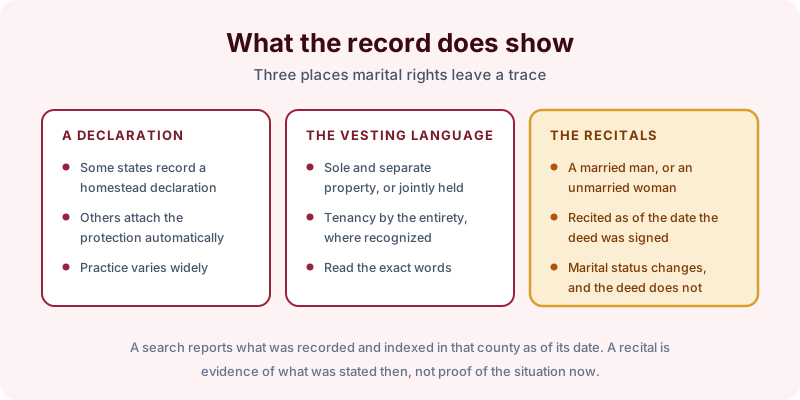
Three things, and each is worth pulling.
A recorded declaration, in the states that use them. Some jurisdictions require a homestead declaration to be filed, others attach the protection automatically with nothing recorded, and practice varies considerably.
The vesting language. Sole and separate property, tenants in common, joint tenants, tenancy by the entirety where recognized. The exact words matter more than the summary, which is why a report should quote or attach the deed rather than paraphrase it.
The recitals. Deeds routinely describe the grantee’s marital status at the time of signing, and that recital is evidence of what was stated then rather than proof of the situation now. Someone who took title as an unmarried person in 2009 may well be married today, and the deed will never say so.
Where it shows up on SBA files
Three patterns account for most of it. Owner occupied collateral and personal residences taken as additional security are the obvious cases, since homestead rules aim squarely at the family home. Property acquired before the marriage but occupied as the family home during it is the trickier one, because the borrower reasonably believes it is separate property and the state may still require joinder to encumber it. And a guarantor pledging their own residence raises the same question a second time on the same file, which is easy to overlook when the attention is on the operating company.
There is a fourth wrinkle worth naming. Where a spouse has liens of their own, joinder may bring those into the analysis, which is the same reason our note on judgment liens recommends searching both people rather than only the borrower.
Two lines on the order form
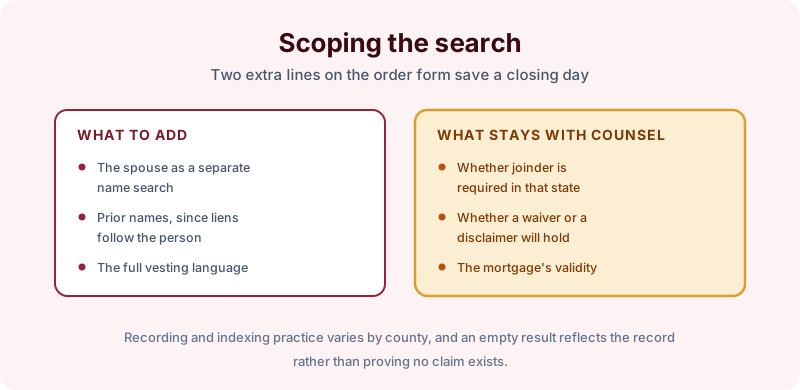
Add the spouse as a separate name search, including any prior names, and ask for the full vesting language rather than a summary of ownership. Both cost little at the front of the file and a week in the middle of it, which is the same argument behind ordering a pre closing update rather than relying on an older report.
Read the result for what it is. A search reports the instruments recorded and indexed in the county searched, as of its date, with copies attached. Recording and indexing practice varies by county, and an empty result reflects the record rather than proving no claim exists. Whether joinder is required, whether a waiver will hold, and whether the mortgage is validly executed are legal questions.
The takeaway
Find out who is on title, in what language, and whether a spouse exists who is not named, before the closing package is drafted. The record answers the first two, the borrower answers the third, and counsel answers what to do about it. Start the order online, or send us the funding letter and the deed if you want the scope matched to the requirement before anything is ordered.