

· AFX Research
Using a Personal Residence as SBA Collateral: What to Search
Why a residential lien is ordinary to record and unusual to get right, which signatures state law can require, and the two encumbrances that hide in a short residential chain.
Table of Contents
Plenty of SBA files end up secured by the owner’s house. The business collateral does not cover the loan, there is equity in the residence, and a junior lien on the home closes the gap. Recording that lien is mechanically the same as recording any other real estate lien. Getting it to hold up is where a residential file behaves differently from a commercial one, because homes come with protections that warehouses do not. Our guide to lien position on SBA loans covers the stack generally, and this is the collateral type where the signature page matters as much as the priority.
A house is collateral with rules
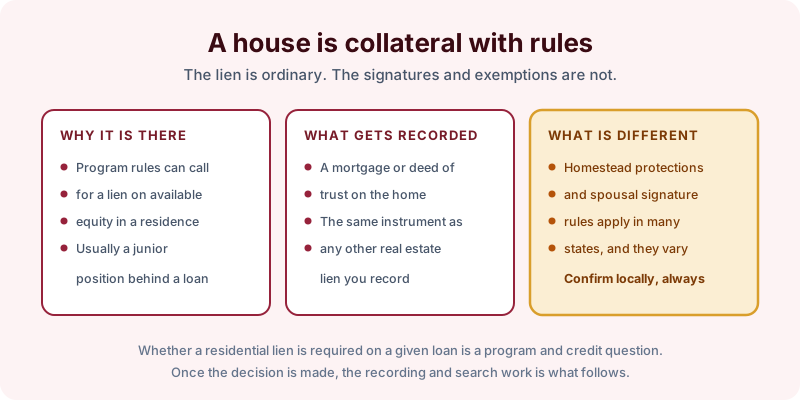
The instrument itself is unremarkable. A mortgage or a deed of trust against the residence, recorded in the county where the home sits, taking priority from its recording date. Usually it sits junior to the purchase money loan, and occasionally junior to a second as well.
What differs is everything around it. Many states protect a homestead from certain creditors, and many require a spouse to join in an encumbrance of the marital home whether or not that spouse borrowed anything. Those rules are set by state law, they differ considerably, and they change. Whether a residential lien is required on a particular loan is a program and credit question; once that decision is made, the records work follows.
Who has to sign, and why
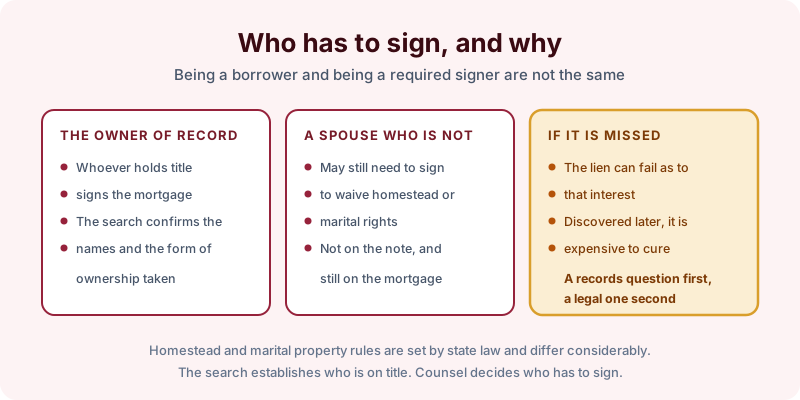
Start from the record rather than from the application. The search establishes who holds title and in what form, and that is not always what the credit file says. A home bought before the marriage may stand in one name. A home moved into a trust years ago is held by the trustee, and the borrower may hold no record interest in it at all.
Then there is the non borrowing spouse. In many states that person is not on the note and still has to sign the mortgage, to waive homestead rights or to release a marital interest. A missing signature can leave the lien unenforceable as to that interest, and it is discovered at the worst possible moment, which is when the loan has gone bad.
Who must sign is a legal question for counsel in that state. What the search does is tell counsel exactly who is on title, so the question can be answered before closing rather than after.
What to search on the house
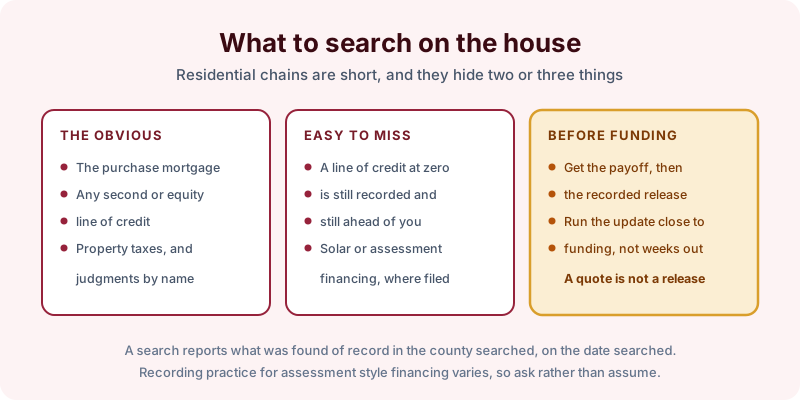
Residential chains are short, which makes them feel easy. Two or three items still hide in them.
A home equity line at a zero balance is still a recorded lien, and it is still ahead of you. The borrower will tell you it is paid off, and paid off is not the same as released or closed. If the line remains open, the balance can go back up after you record.
Assessment style financing for solar panels, efficiency upgrades, or similar programs may be recorded against the property, and in some jurisdictions it carries unusual priority. Recording practice varies, so ask rather than assume.
Beyond that, run the ordinary items: property taxes, judgments against every name variant the owner has used, and any delinquency the collector knows about that the index has not caught up with.
Timing the release
Where an existing lien has to be paid off, get the payoff figure, then get the recorded release, and confirm it. A payoff quote is a number, not a satisfied lien. Because the gap between a search and a funding date is where new filings land, our note on the pre closing update applies here as it does on commercial collateral, and matching all of it to the funding letter is the last step.
The takeaway
Confirm from the record who holds title and how before drafting anything, ask counsel who must sign under that state’s homestead and marital property rules, and treat an open equity line as live until it is released. Start the order online, or send us the funding letter if you want the scope matched to the requirement before anything is ordered.