

· AFX Research
Unrecorded Leases and Tenants in Possession on SBA Collateral
Commercial leases are rarely recorded, and a clean index is not evidence a building is free of them. What possession does legally, and the three sources to compare.
Table of Contents
A search on an income producing property comes back clean and the borrower hands over a rent roll showing six tenants. Both things are true at once, and neither is an error. Commercial leases are mostly not recorded, so an index that shows nothing tells you nothing about who is occupying the building or on what terms. The recorded side of this is covered in recorded leases on SBA collateral. This is the other half.
The lease is rarely recorded
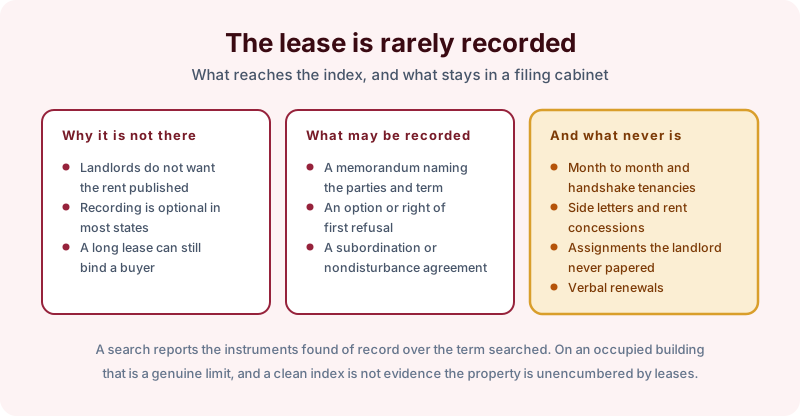
Landlords do not record leases because they do not want the rent published, and in most states recording is optional. A twenty year lease can bind everybody who comes after without ever reaching the courthouse.
What sometimes does get recorded is a memorandum, a short instrument naming the parties, the premises and the term with the economics left out. An option to purchase or a right of first refusal is often recorded separately because the tenant wants it protected. A subordination or nondisturbance agreement appears where a lender insisted on one, and finding one tells you a great deal about the order things happened in.
And a category leaves no trace at all. Month to month arrangements, handshake tenancies, side letters granting free rent or an expansion right, assignments the landlord never papered, and verbal renewals. A search reports the instruments found of record over the term searched, which on an occupied building is a real and stateable limit rather than a shortfall.
Somebody is already in there
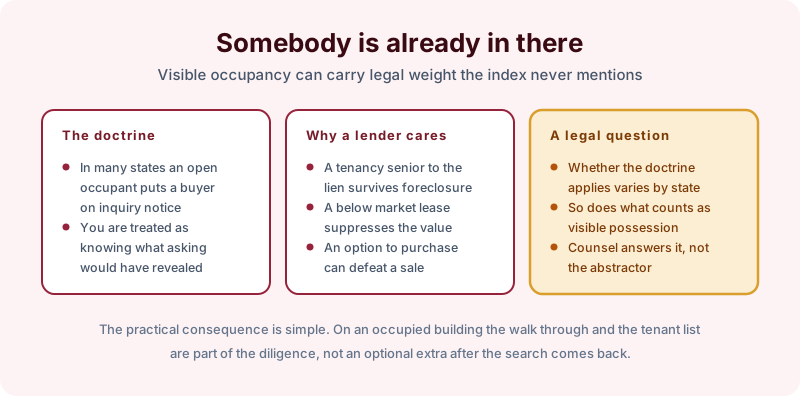
Here is why the unrecorded lease is a lender problem rather than a landlord problem. In many states a person in open and visible possession puts a purchaser or a lender on inquiry notice of whatever rights that person holds. You are treated as knowing what asking would have told you, whether or not you asked.
For a lender the consequences are concrete. A tenancy that is senior to the lien can survive a foreclosure, so the buyer at the sale takes the building with the tenant in it. A below market lease running another fifteen years suppresses the value of the collateral in a way the appraisal has to reflect. An unrecorded option to purchase can defeat a sale outright, which is the same exposure covered in purchase options and first refusal on SBA collateral.
Whether the doctrine applies, and what counts as visible possession, varies by state and is a legal question for counsel rather than for an abstractor. The practical consequence does not vary. On an occupied building, the walk through and the tenant list belong in the diligence rather than after it.
What to collect, and from whom
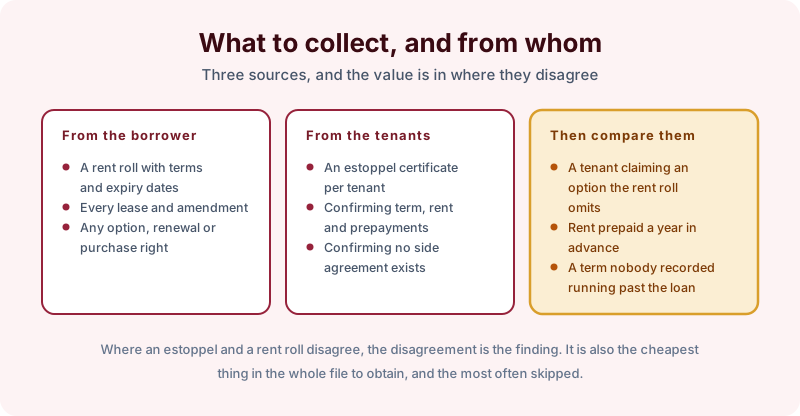
Three sources, and the value is in comparing them rather than in any one of them.
From the borrower, a rent roll with terms and expiry dates, every lease and amendment, and any option, renewal or purchase right. From the tenants directly, an estoppel certificate confirming the term, the rent, whether anything has been prepaid and whether any side agreement exists. From the county, whatever was actually recorded.
Then read them against each other. A tenant claiming an option the rent roll omits. Rent prepaid a year in advance, which frequently means the landlord needed cash. A term nobody recorded that runs well past the loan. Where an estoppel and a rent roll disagree, the disagreement is the finding, and estoppels are among the cheapest items in the file and the most often skipped. Where a lease is senior, an SNDA is the usual fix, and that sits alongside the subordination agreements a lender would ask for anyway.
The takeaway
Treat a clean lease search on an occupied building as a statement about the index rather than about the building. Order the search for what was recorded, get the rent roll and the leases from the borrower, get estoppels from the tenants, and let counsel decide what possession does in that state. Start the order online, or send us the address and the funding letter and we will tell you what a search of that scope would and would not cover before anything is ordered.