

· AFX Research
Childcare and Early Education SBA Collateral, What to Check
The license belongs to the operator, the capacity depends on the building, and a recorded covenant can forbid the use the zoning plainly permits.
Table of Contents
A borrower buys an established childcare center with sixty-four licensed slots, a waiting list and eleven years of operating history. The collateral is a building with a fenced yard. What makes it worth the purchase price is a state license held by the seller in the seller’s own name, which does not transfer, and a licensed capacity that depends on square footage, outdoor area and fire egress rather than on anything in the deed. Between closing and licensing the collateral is a building with a playground. That gap is the underwriting question.
What a childcare site needs
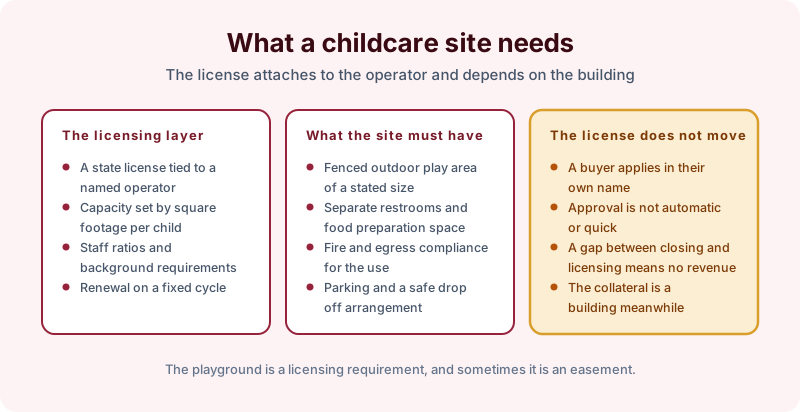
The licensing layer is a state matter and it is specific. A license tied to a named operator. Capacity set by square footage per child, which is a measurement of the building rather than a business decision. Staff ratios and background requirements. Renewal on a fixed cycle.
What the site must physically have follows from that. A fenced outdoor play area of a stated size, which on a tight urban parcel is frequently the binding constraint. Separate restrooms and food preparation space. Fire and egress compliance for the use rather than for an office. Parking and a drop off arrangement that works without blocking a street.
The license does not move with the property. A buyer applies in their own name, approval is neither automatic nor quick, and a gap between closing and licensing means a period with no revenue and a building that cannot legally operate. Underwriting that assumes continuity of operations has assumed something the state has not agreed to, which is the same timing exposure described in title problems that delay SBA loans.
Where the records sit
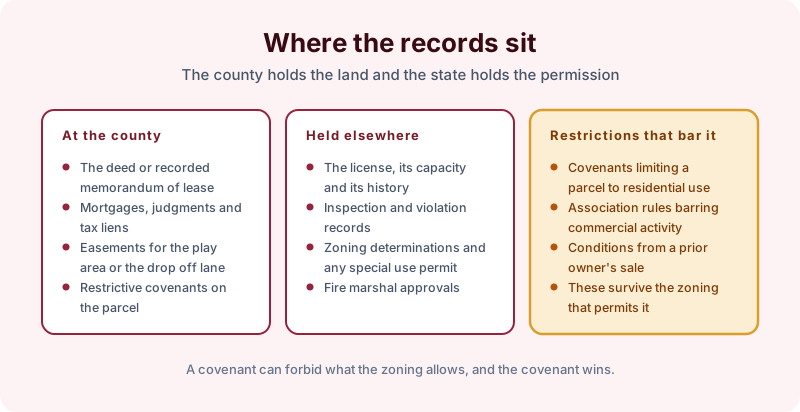
At the county you will find the deed or a recorded memorandum of lease, the mortgages, judgments and tax liens, the easements serving the play area or the drop off lane, and the restrictive covenants on the parcel.
Held elsewhere is the license with its capacity and history, the inspection and violation record, zoning determinations and any special use permit, and the fire marshal approvals.
The recorded item that stops deals is the covenant. A parcel limited to residential use by a declaration from 1968, an association rule barring commercial activity, or a condition imposed by a prior owner on sale can forbid a childcare operation outright. A covenant can prohibit what the zoning permits, and between the parties bound by it the covenant wins. That is the same precedence described in zoning and use restrictions on collateral.
Why the play area deserves a separate look
Because it is a licensing requirement expressed in square feet, and on a constrained site it is frequently satisfied by land the center does not own.
A fenced yard extending onto an adjoining parcel under an informal arrangement is common and is exactly the exposure described in access and easements on collateral. Where the arrangement is recorded, it survives a sale of the neighboring land. Where it is not, the licensed capacity depends on a neighbor’s goodwill, and losing the yard means losing the capacity that justified the price.
Scoping the search
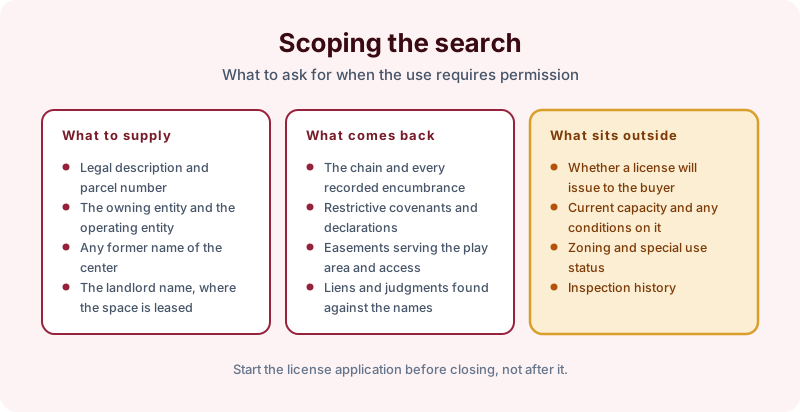
Give us the legal description and parcel number, the owning entity and the operating entity, any former name of the center, and the landlord name where the space is leased. What comes back is the chain and every recorded encumbrance, the restrictive covenants and declarations, the easements serving the play area and access, and the liens and judgments found against the names searched.
What sits outside the record is whether a license will issue to this buyer, the current capacity and any conditions on it, zoning and special use status, and the inspection history.
The takeaway
The building is the collateral and the license is the business, and the two are held by different parties under different rules. Search the covenants before assuming the use is permitted, confirm the play area is on land the center controls, and start the license application well before closing. Start the order online, or send us the address and the entity names and we will tell you what a search of that scope would and would not cover before anything is ordered.