

· AFX Research
Community Land Trust Property as SBA Collateral, What to Check
The trust owns the land, the borrower owns the building, and a recorded formula caps what it can ever sell for. What the ground lease controls and what it limits.
Table of Contents
A community land trust separates the land from what stands on it, permanently and by design. The trust holds fee title to the ground, the occupant buys the improvements, and a long ground lease ties the two together. For a lender the important consequence is not the structure itself, which is workable, but the recorded resale formula that caps what the collateral can ever be sold for. That ceiling is the point of the arrangement and it is also the number that decides your recovery. The mechanics are a close relative of leasehold collateral, with an affordability restriction added on top.
What a land trust splits
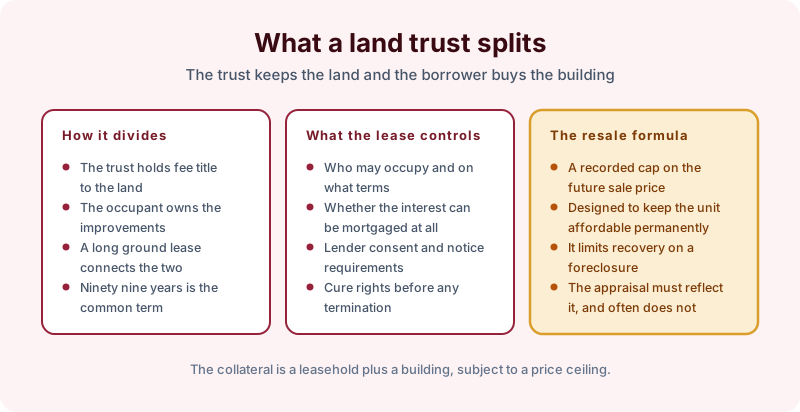
The division is clean and unusual. The trust keeps the land in fee, the occupant owns the building, and a ground lease of ninety nine years in the common case connects them. The occupant pays a modest ground rent and holds something that behaves like ownership in most respects and is legally a leasehold.
The lease controls more than a lease normally does. Who may occupy the property and on what income or use terms. Whether the leasehold may be mortgaged at all, and on what conditions. Lender consent requirements, notice provisions, and the cure rights available before the trust may terminate.
The resale formula is the feature that distinguishes this from any other ground lease. It is a recorded cap on the future sale price, set so the unit stays affordable to the next occupant in perpetuity, and it limits what anybody can realize on a sale or a foreclosure. An appraisal that values the property at market without accounting for the formula is describing a property that cannot legally be sold at that number.
Where the documents sit
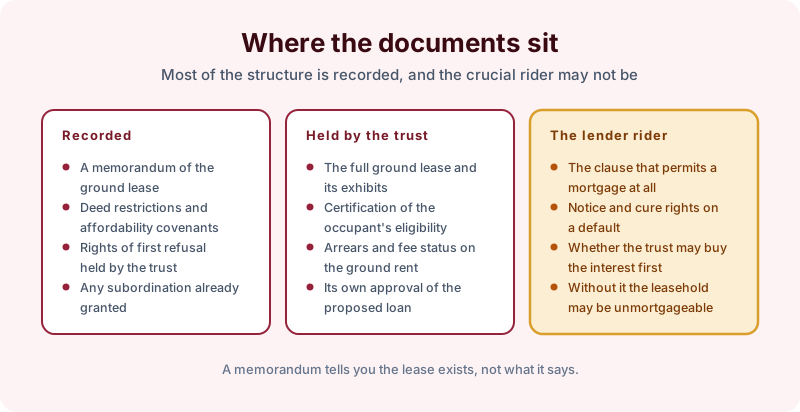
Most of the structure is recorded and a search finds it. A memorandum of the ground lease, deed restrictions and affordability covenants, any right of first refusal the trust holds, and any subordination the trust has previously granted.
The operative documents frequently are not. The full ground lease with its exhibits, the certification of the occupant’s eligibility, the arrears status on the ground rent, and the trust’s own approval of this particular loan all sit with the trust. A memorandum tells you the lease exists. It does not tell you what the lease says, which is the same limitation described in recorded leases on collateral.
The document that decides whether the deal is possible is the lender rider or leasehold mortgage provision. It is what permits a mortgage in the first place, what gives a lender notice and an opportunity to cure a ground lease default, and what sets out whether the trust may step in and buy the interest ahead of a foreclosure sale. Without a workable rider the leasehold may simply not be mortgageable.
What this means for underwriting
The collateral is a leasehold plus a building, subject to a price ceiling and to a third party’s approval rights. That is a coherent thing to lend against and it is not what the file will describe unless somebody insists.
Three practical points follow. The appraisal has to be done on the restricted value, not the unrestricted one. The term of the loan should sit comfortably inside the remaining ground lease term. And the trust’s consent process should be started early, because it is a deliberative body rather than a counterparty with a closing calendar. That timing problem is the same one set out in what delays SBA loans on the title side.
Scoping the search
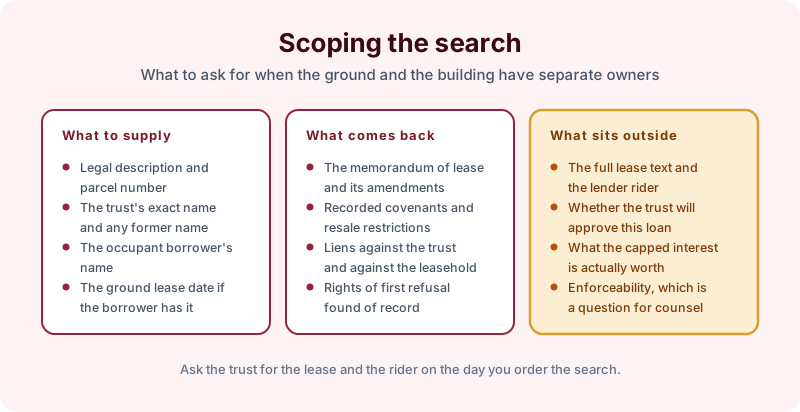
Give us the legal description and parcel number, the trust’s exact name including any former name, the occupant borrower’s name, and the ground lease date if the borrower has it. What comes back is the memorandum and its amendments, the recorded covenants and resale restrictions, liens against both the trust’s fee and the leasehold, and any recorded right of first refusal.
What sits outside the record is the full lease text, the lender rider, whether the trust will approve this loan, and what the capped interest is actually worth. Ask the trust for the lease and the rider on the day you order the search.
The takeaway
Land trust collateral is a leasehold with a permanent price ceiling attached, and the ceiling is recorded while the rest of the lease usually is not. The search establishes the restrictions of record. The trust supplies the document that decides whether the loan works at all. Start the order online, or send us the address and the trust name and we will tell you what the search would cover before anything is ordered.