

· AFX Research
Crop and Agricultural Liens Against SBA Farm Collateral
What an agricultural lien attaches to, why none of it appears in the land records, and how to scope the two searches a farm deal actually needs.
Table of Contents
An SBA loan secured by farmland comes with a second set of claims that a land records search will never see. Crops, livestock, equipment, and stored grain are personal property, they are financed separately, and the parties financing them file in entirely different offices from the one holding the deed.
This matters because the borrower experiences it as one operation. The lender has to treat it as two.
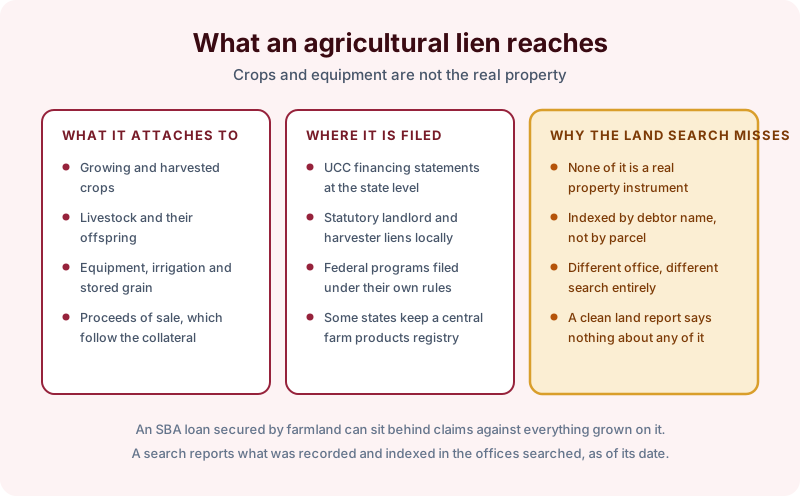
What these liens actually reach
Growing and harvested crops, livestock and their offspring, machinery, irrigation equipment, and grain in storage. Critically, the claim usually follows the proceeds, so selling the crop does not shake it off, it simply converts it into a claim on the money.
None of that is a real property interest. A mortgage on the land and a security interest in the corn growing on it are different instruments securing different collateral, and the SBA position on one tells you nothing about the position on the other.
Where each one is filed
UCC financing statements go to the state, generally filed against the debtor’s exact registered name rather than against the farm. Statutory liens created by state law for landlords, harvesters, threshers, veterinarians, and suppliers are filed locally and follow their own rules. Several states maintain a central farm products registry specifically so buyers can check before purchasing a crop. Federal program filings sit outside all of it.
The common thread is that every one of these is indexed by name rather than by parcel, and searched in a different office from the recorder. A searcher who is handed an address and asked what encumbers the farm has been asked a question the land records cannot fully answer. A clean land records report says precisely nothing about any of them, which is the same boundary described in UCC search versus title search on SBA loans.
Who else is already in line
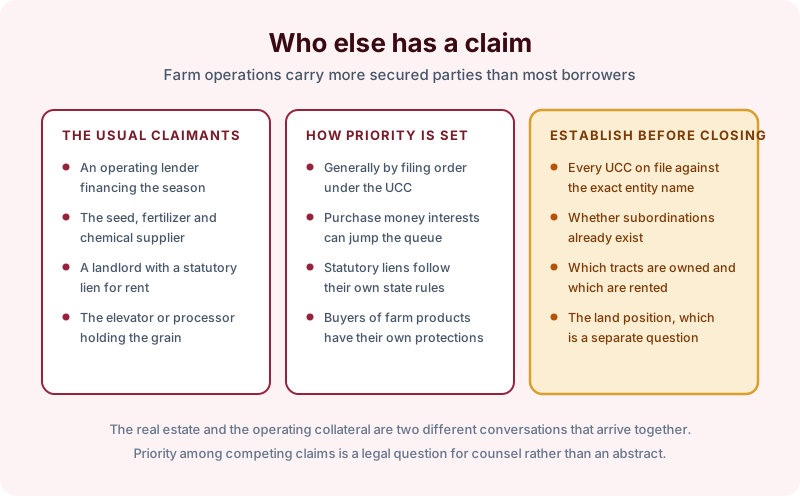
A working farm typically carries more secured parties than a comparable commercial borrower. An operating lender financing the season. The seed, fertilizer, and chemical supplier, frequently secured. A landlord holding a statutory lien for cash rent. The elevator or processor holding grain.
Priority among them generally follows filing order under the UCC, with purchase money security interests able to jump the queue, and statutory liens answering to their own state rules. Sorting that out is a legal question rather than a records one. What the searches establish is who has filed and when.
The land side still needs its own work
Run the chain of title on every tract, since farm deals routinely involve several parcels acquired at different times, which is the territory of SBA title searches across multiple collateral properties. Mortgages, judgments, and tax liens as usual. Recorded leases, because a cash rent arrangement may be on file and may carry terms that outlast the sale.
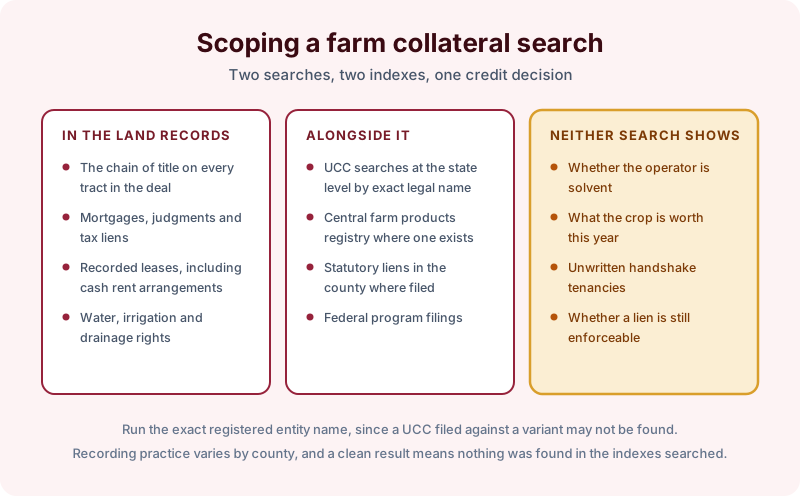
And water. On irrigated ground the water right can be worth more than the dirt, and whether it is appurtenant to the land or held separately is a recorded question with a large answer, covered in water and irrigation rights on SBA collateral.
What neither search will tell you
Whether the operator is solvent. What the crop is worth this year. Whether there is an unwritten tenancy that everyone in the county knows about and nobody wrote down. Whether a filed lien is still enforceable, or whether the obligation behind it was paid years ago and never terminated.
Recording and indexing practice varies by county, and an empty result means nothing was found in the indexes searched rather than that nothing exists.
The takeaway
A farm loan needs two searches in two offices, run against the exact entity name, and a lender that orders only the land side has a partial picture that looks complete. Establish the land position, establish the UCC and statutory position, and let counsel sort priority. Start the order online, or send us the legal descriptions and the entity names and we will tell you what a search of that scope would and would not cover before anything is ordered.