

· AFX Research
UCC Searches and Title Searches: What Each Covers on an SBA File
Two separate filing systems, two separate searches, and the collateral that sits between them: what a title report covers, what a UCC search covers, and where fixtures land.
Table of Contents
An SBA file usually pledges more than a building. The loan takes the real estate, the equipment, the inventory, the receivables, and often a blanket interest in everything the business owns. Those interests are not filed in the same place, and no single search reads all of them. Lenders who already know what the title report covers still sometimes assume it reaches the equipment. It does not, and the gap is worth understanding before the collateral schedule is finalized.
Two systems that do not talk to each other
Real property interests are recorded in the county where the land sits. Security interests in business personal property are perfected under Article 9 of the Uniform Commercial Code, and the financing statement is filed with a secretary of state, normally in the state where the debtor is organized rather than where the property sits.
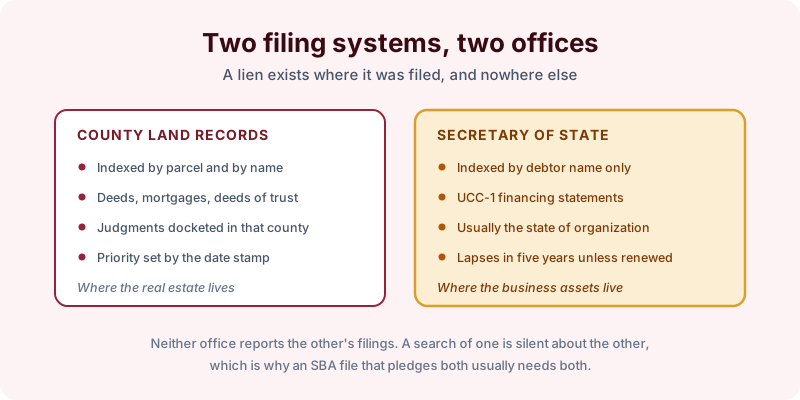
Those are two different offices, two different indexes, and two different search products. The county recorder does not report UCC filings, and the secretary of state does not report mortgages. A search of one is completely silent about the other, which is the whole reason both exist on the same file.
There is a second structural difference worth knowing. Land records are indexed by parcel and by name, and a recorded instrument stays on the record until something releases it. A UCC financing statement is indexed by debtor name only, and it lapses five years after filing unless a continuation is filed. An expired filing and a released one look very different in practice, and only one of them requires anyone to have taken action.
What each search actually returns
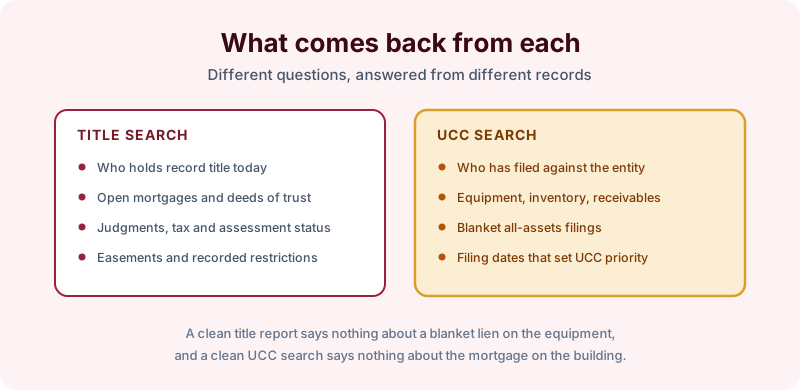
The title search answers questions about the parcel: who holds record title, what mortgages and deeds of trust are open against it, what judgments have been docketed, whether taxes and assessments are current, and what easements and restrictions are recorded. Its output is a chain of instruments with recording dates, which is what makes lien position readable.
The UCC search answers questions about the entity: who has filed a financing statement against this debtor, what collateral each filing describes, and when it was filed. Blanket all-assets filings are common, and an old one from a prior lender that was never terminated will surface exactly like a live one.
Neither result implies anything about the other. A clean title report says nothing about a blanket lien on the production equipment, and a clean UCC search says nothing about the mortgage on the building.
Where the two overlap
Most collateral sorts cleanly into one bucket or the other. Fixtures are the exception, and they are the reason the two searches are worth running as a pair rather than in sequence.
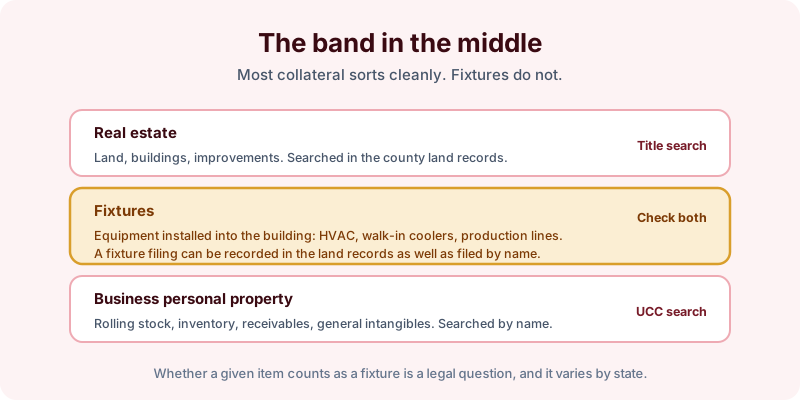
A fixture is personal property that has been installed into real property to the point that it is treated as part of it: HVAC systems, walk-in coolers, a production line bolted to the slab. A creditor perfecting against fixtures may file a fixture filing in the county land records, so that interest can show up in the real estate search rather than only in the state index. Whether a specific item counts as a fixture is a legal question, it varies by state, and it is not one an abstractor decides. What we can do is report what was filed, where, and when.
This matters most on manufacturing, restaurant, and medical files, where a large share of the collateral value is bolted down. It matters again on a release of collateral, where releasing the real estate does not by itself release anything filed against the equipment inside it.
Scoping the two together
Order them against the right subjects. The title search runs against the parcel and against the names in the chain. The UCC search runs against the exact registered entity name, in the state of organization, plus any prior names and any predecessor entities that appear in the corporate history. A name that changed after a filing was made does not erase the filing.
Send the entity’s full legal name, its state of organization, the property address with a legal description, and the funding letter. Where the letter is specific about what it wants searched, that governs, and our requirements guide walks through the usual language.
The takeaway
Two systems, two searches, and one narrow band of collateral that can appear in either. Scope both against the right names and the right parcels, and read a clean result in one as evidence about that system only. Start the order online, or send us the funding letter and the entity details and we will tell you what the real estate side covers before anything is ordered.