

· AFX Research
A Deed in Lieu of Foreclosure in the Chain of SBA Collateral
A deed in lieu moves title without clearing anything. What survives it, why the merger doctrine matters, and the three documents to pull before relying on the transfer.
When a chain shows a distressed transfer, people tend to read it as a clean break. A lender took the property back, the old debts went away, everything after that is fresh. That is roughly true of a completed foreclosure sale and it is not true at all of a deed in lieu, which is a very different instrument doing a very different job. Reading one as the other is a close cousin of the problem in a prior foreclosure in the chain.
What a deed in lieu does
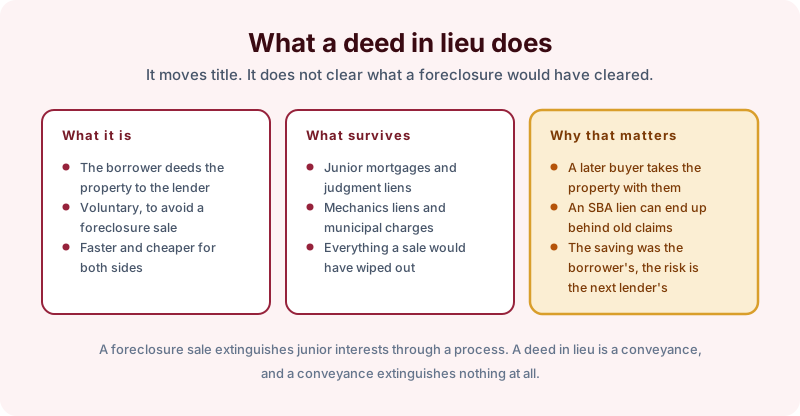
A deed in lieu is exactly what the name says. The borrower conveys the property to the lender voluntarily, in place of a foreclosure, and both sides save the cost and the calendar of a sale. For the two parties involved it is frequently the sensible outcome.
For everyone who comes afterward it is a conveyance and nothing more. A foreclosure sale extinguishes junior interests through a statutory process that gives them notice and an opportunity to protect themselves. A deed is just a deed. Junior mortgages, judgment liens, mechanics liens and municipal charges recorded before the transfer all remain exactly where they were.
That is the whole risk in one sentence. The saving went to the borrower and the original lender. A buyer taking the property later, and any lender taking it as collateral, inherits everything the sale would have removed, which can upset the lien position everybody assumed and put a new SBA lien behind claims nobody priced.
The merger problem
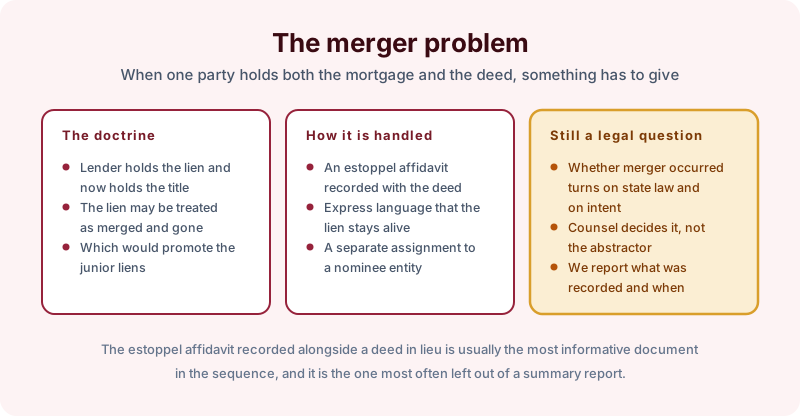
There is a second and less obvious issue. After the transfer the lender holds both the mortgage and the fee title, and under the merger doctrine the lesser interest can be treated as absorbed into the greater one. If the senior lien is extinguished that way, every junior lien moves up a place, which is the opposite of what the lender intended.
The usual answer is documentary. An estoppel affidavit recorded alongside the deed states the parties’ intent, confirms the conveyance was voluntary and for fair consideration, and says expressly that the senior lien is to remain alive and unmerged. Some lenders instead take title in a separate nominee entity so the two interests never sit in the same hands.
Whether merger actually occurred is a legal question turning on state law and on intent, and it is not something an abstractor resolves. What a search establishes is what was recorded, in what order, and with what recitals, which is the factual basis counsel needs to answer it.
What to check in the chain
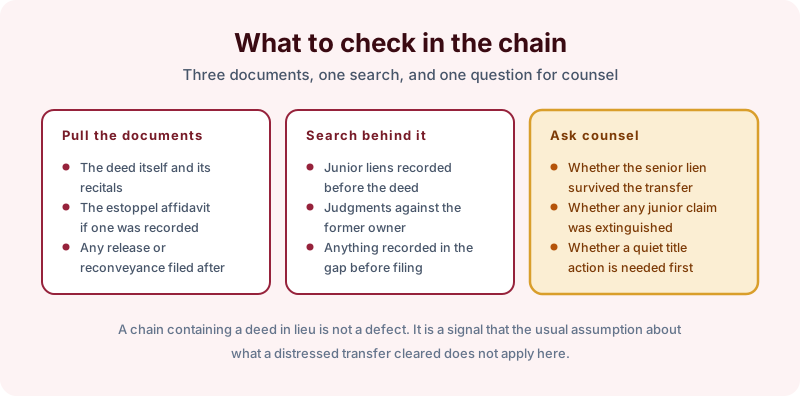
Pull three documents in full rather than working from index lines. The deed itself, because the recitals frequently say what the parties intended. The estoppel affidavit if one was recorded, which is usually the most informative paper in the sequence and the one most often missing from a summary report. And any release or reconveyance filed afterward, which tells you what the lender decided about its own lien.
Then search behind the transfer. Junior liens recorded before the deed, judgments docketed against the former owner, and anything filed in the gap between signing and recording. A transfer that was voluntary may also attract attention from a bankruptcy trustee or a creditor arguing the conveyance was avoidable, so the timing matters as much as the content. That interacts with collateral in bankruptcy in ways worth knowing early.
Finally, put the conclusions where they belong. Whether the senior lien survived, whether any junior claim was extinguished, and whether a quiet title action should precede the loan are questions for counsel in the state where the land sits.
The takeaway
A deed in lieu in the chain is not a defect and it is not a reason to walk away. It is a signal that the ordinary assumption about what a distressed transfer cleared does not apply, so the search has to reach behind the transfer rather than starting from it. Order the term long enough to include the junior liens, ask for the instruments in full, and get the merger question answered before closing rather than at liquidation. Start the order online, or send us the funding letter if you want the scope matched to the requirement before anything is ordered.