

· AFX Research
SBA Collateral in Bankruptcy: What the Title Search Shows
A filing changes who controls the collateral, not what encumbers it. What the county record shows about lien position, late filings, and transfers near the petition date.
Table of Contents
When a borrower or a guarantor files, the first questions are about control: who can sell, who can collect, what needs court permission. Those answers live in the case. The parallel question, and the one lenders often assume they already know, is what the record actually says about the collateral. Position that was confirmed at closing may have moved, and the file is now going to be read by a trustee, a debtor’s counsel, and possibly a judge. This is the same discipline our note on SBA loan liquidation applies later in the process, moved earlier.
Two records, one property
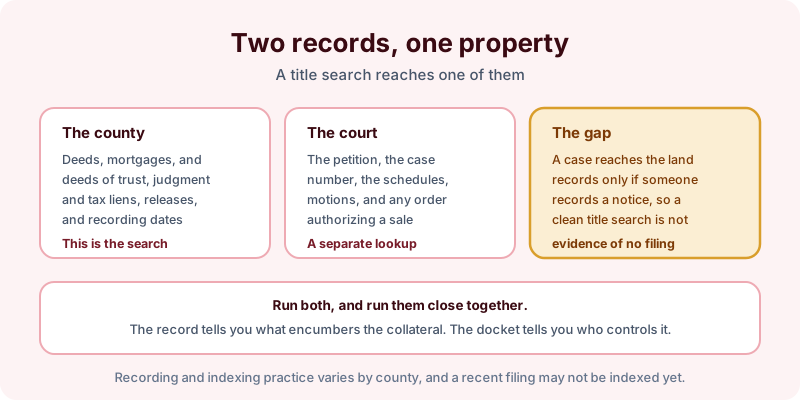
A bankruptcy is not a land record. The petition, the schedules, and any sale order live in a federal court docket, and nothing about the case appears in the county unless a party records a notice of it. Plenty of cases proceed without one.
That matters in both directions. A title search that comes back clean is not evidence that no case has been filed, so it cannot be used that way. And a docket that describes the collateral is not evidence of what encumbers it, because schedules are prepared by the debtor. The two searches answer different questions and both are cheap relative to what they protect.
Confirm the position again
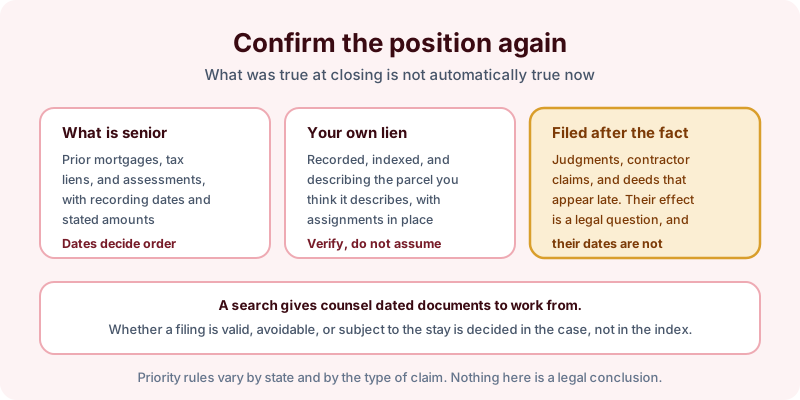
Verify your own lien first. Confirm it was recorded, that it is indexed, that the legal description matches the parcel you think it covers, and that any assignment in the chain was recorded as well. A defect nobody noticed for six years becomes a live issue the moment somebody has a reason to look for one.
Then re-run what stands ahead. Prior mortgages, delinquent property taxes, and assessments carry recording dates and stated amounts, and the ordering rules are covered in our note on lien position on SBA loans.
Then look for anything filed late. Judgments, contractor claims, and deeds that appear after the petition date are findings worth reporting precisely because their timing is unusual. Whether a late filing is valid, avoidable, or affected by the stay is decided in the case and not in the index, so the useful deliverable is a dated document rather than an opinion.
Look at the window, not just the date
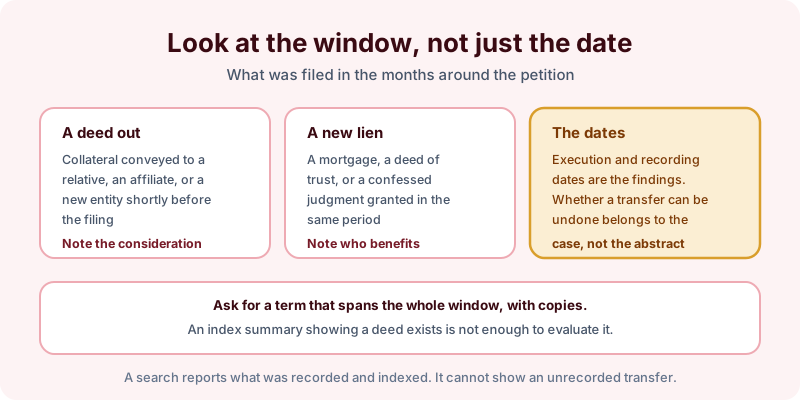
The months on either side of a filing are where the interesting documents sit. A deed conveying collateral to a relative, an affiliate, or a newly formed entity, a new mortgage in favor of an insider, or a judgment entered by consent all show up in the record with execution and recording dates attached.
Report the dates and the consideration recited, and let counsel evaluate them. Ask for a search term that spans the whole window rather than a current owner snapshot, and ask for copies, because an index line telling you a deed exists supports no analysis at all.
What the search will and will not settle
The search reports what was recorded and indexed for the parcels and names given, as of its date, with copies. It also shows releases and satisfactions, which is how a stale lien that would otherwise cloud a court approved sale gets identified before it becomes a delay.
It will not tell you the case status, the plan treatment, or whether a sale has been authorized, since none of that is a county record. It cannot show an unrecorded transfer or an agreement between the debtor and another creditor. Recording and indexing practice varies by county, and a very recent filing may not be indexed when the search runs, so an empty result reflects the record rather than proving nothing exists. Before any release or substitution of collateral, a fresh look is warranted, the point our note on the pre-closing title update makes for closings and which applies here too.
The takeaway
Order a search on every collateral parcel as soon as a filing is known, with a term long enough to cover the year before the petition, and ask for document copies rather than a summary. Our collateral release page covers the record work a release requires. Start the order online, or send us the funding letter if you want the scope matched to the requirement before anything is ordered.