

· AFX Research
Eminent Domain and Condemnation Against SBA Collateral Sites
What a taking puts on the record and when, how a partial taking damages the remainder, who claims the award, and how to scope a search around it.
Table of Contents
A road widening, a transmission corridor, a transit line, or a drainage project takes part of the parcel your loan is secured by. The borrower keeps operating, the building is still standing, and the collateral is meaningfully different from the one you underwrote. Condemnation is one of the few events that changes a property without anyone in the deal doing anything wrong.
It also has an awkward paper trail, because the interesting part usually happens before anything reaches the land records.
The record lags the project
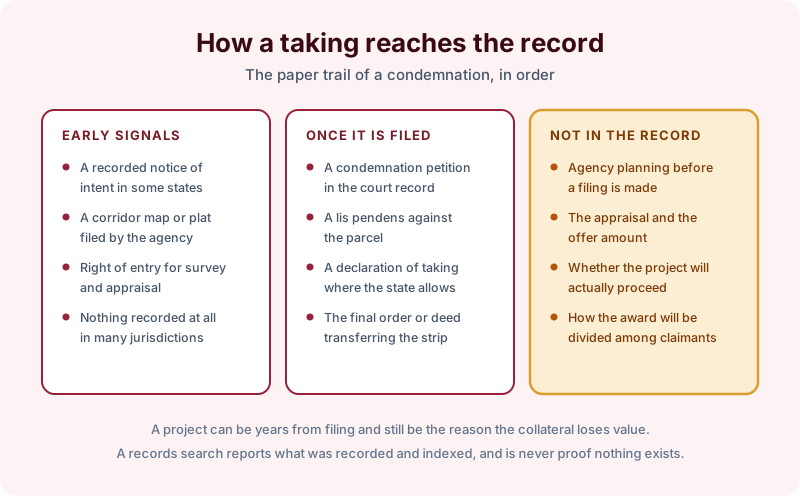
Agencies plan for years. Corridor studies, alignment options, appraisals, and offers all happen before a case is filed, and in most places none of that is recorded anywhere a searcher would look.
What can appear, depending on the state, is a recorded notice of intent, a corridor map or right of way plat filed by the agency, or a grant of right of entry for survey work. Once a case is actually filed you get more to work with, a condemnation petition in the court record, frequently a lis pendens against the parcel, a declaration of taking where the state allows one, and eventually the order or deed that moves the strip.
So a clean land records report is not evidence that nothing is coming. It reports what was recorded and indexed in the offices searched, which on this subject is a narrower thing than the question being asked.
A partial taking is the common case
Total takings are rare. What usually happens is that a strip comes off the frontage, or a permanent easement is imposed across part of the site, or a temporary construction easement ties up the yard for eighteen months.
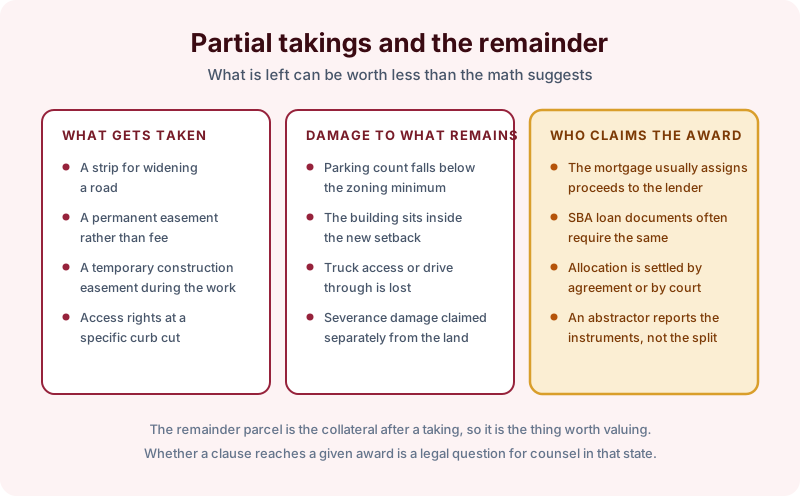
The acreage lost is rarely the real damage. Parking falls below the zoning minimum. The building ends up inside the new setback and becomes nonconforming. A truck route or a drive through lane stops working. The curb cut moves to a worse place on the road. Each of those hits the remainder parcel, which is the thing your mortgage is now secured by, and severance damage is claimed separately from the value of the land taken.
Zoning consequences deserve particular attention, and they connect to zoning and use restrictions on SBA collateral more than to anything in the deed.
Who gets the award
Most mortgages assign condemnation proceeds to the lender, and SBA loan documents commonly require that assignment. Whether a particular clause reaches a particular award, and how the money is divided between principal reduction and restoration of the remainder, is settled by agreement or by the court. It is a legal question, and an abstractor reports the recorded instruments rather than the split.
Other claimants may share. Junior lienholders, a tenant with a recorded lease, and an easement holder can all have a stake, which is why the search runs names as well as the parcel. The same logic drives recorded leases on SBA collateral, and it is the reason lien position on SBA loans has to be established before an award is in play rather than after.
Scoping the search
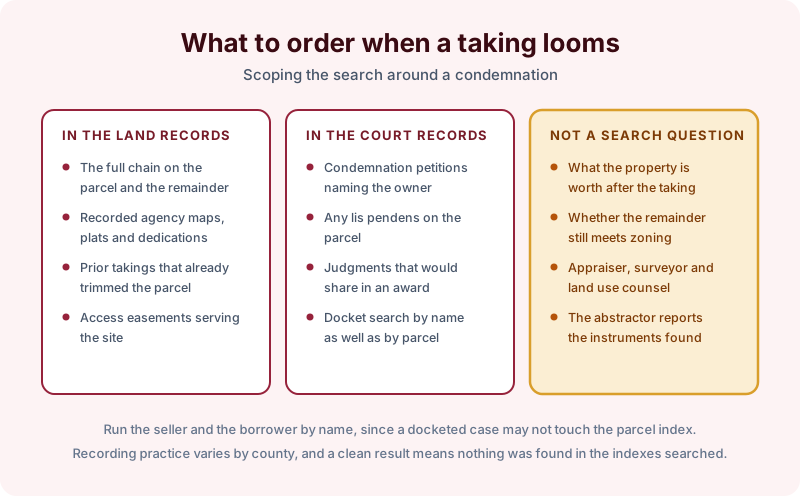
Run the full chain on the parcel, including any prior taking that already trimmed it, since a property clipped once is frequently clipped again by the same corridor. Pull recorded agency maps and dedications. Search the court records by owner name as well as by parcel, because a docketed case does not always touch the land index. And confirm the access easements that actually serve the site.
What a search will not tell you is what the remainder is worth, whether it still meets zoning, or where the new line falls on the ground. Those belong to an appraiser, a land use attorney, and a surveyor.
The takeaway
Condemnation changes the collateral quietly and mostly off the record until late. Search the parcel and the names, read the court docket, treat a partial taking as a question about the remainder rather than about the acreage, and get the award language in front of counsel early. Start the order online, or send us the address and the county and we will tell you what a search of that scope would and would not cover before anything is ordered.