

· AFX Research
ESOP Transactions and SBA Collateral, What the Title Search Covers
The shares move and the real estate usually stays where it was. Why no recorded deed does not mean no title work, and which name the search has to run under.
Table of Contents
An owner sells the company to an employee stock ownership trust, financed in part with SBA debt. No deed is recorded, the building does not change hands, and somebody reasonably asks why a title search is needed at all. The answer is that the collateral is the same real estate it was last week, carrying everything that accumulated against it under the prior ownership, and a change of control can disturb arrangements that were quietly working. This is the entity version of the problem in entity name changes and mergers.
What an ESOP deal moves
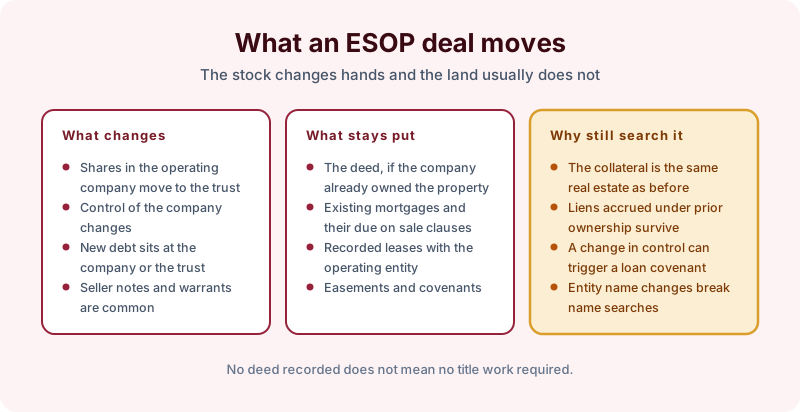
What changes is ownership of the company. Shares move to the trust, control changes, new debt sits at the company or at the trust, and seller notes and warrants are a normal part of the structure.
What stays put is the real estate. If the company already owned the building, the deed is untouched, existing mortgages remain exactly where they were, recorded leases with the operating entity continue, and every easement and covenant is unaffected.
That is precisely why the search still matters. The collateral is the same property with the same history, and any judgment, tax lien or mechanics lien that attached under the prior ownership survives a change in the shareholder register. A change in control can also trip a due on sale or change of control covenant in an existing mortgage, which is a document question rather than a recording one. And the entity name may change, which quietly breaks the name searches everybody relies on.
Where the records sit
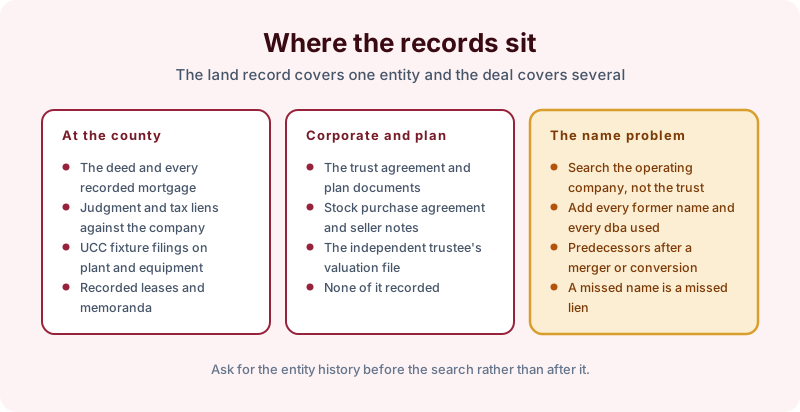
The county holds the deed, every recorded mortgage, judgment and tax liens against the company, UCC fixture filings on plant and equipment, and any recorded lease or memorandum. That is a complete picture of what is recorded against the land.
The corporate and plan material is not recorded anywhere. The trust agreement, the plan documents, the stock purchase agreement, the seller notes and the independent trustee’s valuation file all sit with the parties.
The part worth getting right is the names. Search the operating company that holds the real estate, not the trust, because the trust holds shares rather than land. Add every former name, every assumed name the business has traded under, and any predecessor left behind by a merger or a conversion. A missed name is a missed lien, and on a company thirty years old there are usually several.
Why a lender should look harder than the paperwork suggests
Two reasons specific to this structure. The first is that ESOP transactions frequently follow a long period of single owner control, during which the line between the company and the owner personally was managed informally. Property held in the owner’s name and used by the business, or transferred between related entities without much ceremony, is common and shows up in the chain. It is the same pattern discussed in business acquisition title searches.
The second is leasing. Where the real estate sits in a separate holding entity that the ESOP does not acquire, the collateral position depends on a lease between two entities whose relationship has just changed fundamentally. That is the analysis in recorded leases on collateral, with a new set of owners on one side of it.
Scoping the search
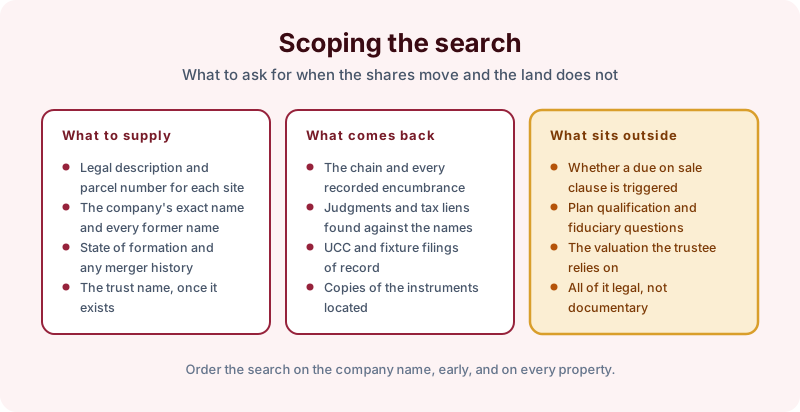
Supply the legal description and parcel number for every site, the company’s exact name with every former name, the state of formation and any merger history, and the trust name once it exists. What comes back is the chain, every recorded encumbrance, the judgments and tax liens found against the names searched, the UCC and fixture filings of record, and copies of the instruments.
What sits outside the record is whether a due on sale clause is triggered, whether the plan qualifies, and what the trustee’s valuation rests on. Those are legal and financial questions rather than documentary ones, and they belong to counsel.
The takeaway
No recorded deed does not mean no title work. An ESOP transaction changes who owns the company while leaving the collateral exactly where it was, liens and all, and the search has to run under the name that actually holds the land. Start the order online, or send us the entity name and the property list and we will tell you what a search of that scope would and would not cover before anything is ordered.