

· AFX Research
Hotel and Hospitality SBA Collateral, What the Search Covers
The real estate is pledged and the brand is what makes it worth anything. What the county record holds, and the obligations that survive a change of owner.
Table of Contents
A borrower buys a limited service hotel with an SBA 7(a) loan. The appraisal values it as a going concern, the collateral is the real estate, and the gap between those two sentences is where the deal actually sits. A hotel without its flag is a building with a lot of small rooms, and the arrangements that keep the flag are mostly not recorded. What is recorded matters a great deal, because several of those instruments survive a foreclosure. This belongs with special purpose property collateral, with an operating layer on top.
What a hotel deal includes
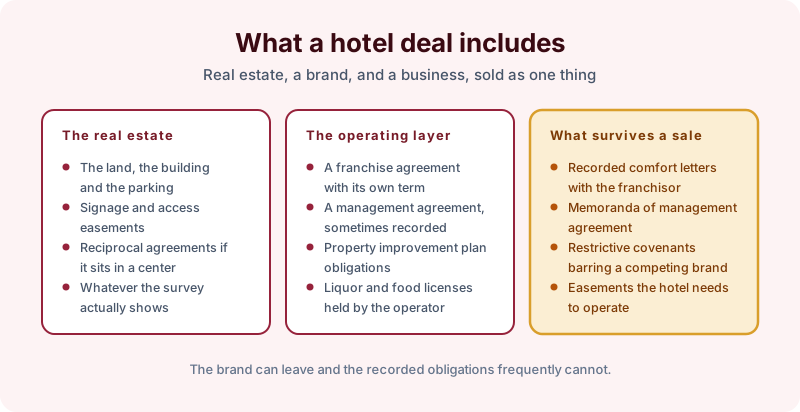
The real estate is ordinary. Land, building and parking, signage and access easements, reciprocal agreements where the hotel sits inside a commercial center, and whatever the survey actually shows about setbacks and encroachments.
The operating layer is not. A franchise agreement with its own term, transfer conditions and liquidated damages. A management agreement, which is sometimes recorded as a memorandum and usually is not. Property improvement plan obligations that attach on renewal or on transfer. Liquor and food service licenses, held by the operator rather than by the land.
What survives a sale is the part a lender has to read. Recorded comfort letters between the franchisor and the lender, memoranda of management agreement, restrictive covenants barring a competing brand on nearby land, and the easements the hotel needs simply to operate. A foreclosure can leave a lender holding a building, no franchise, and a recorded covenant preventing it from bringing in the obvious replacement, which is the valuation problem described in what happens to collateral in liquidation.
Where the obligations sit
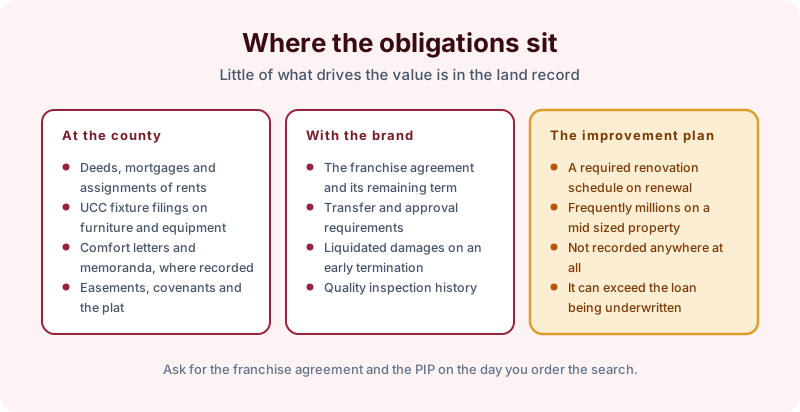
At the county you will find the deeds, mortgages and assignments of rents, the UCC fixture filings covering furniture, fixtures and equipment, any recorded comfort letter or memorandum, and the easements, covenants and plat.
With the brand sits everything that decides the economics. The franchise term and what remains of it. Transfer and approval requirements, which a change of ownership triggers. Liquidated damages on early termination. Quality inspection history, which determines whether renewal is even on offer.
The item most likely to break an underwriting is the property improvement plan. On renewal or transfer a franchisor can require a renovation schedule running into seven figures on a mid-sized property, and none of it is recorded anywhere. A lender who underwrote the real estate and not the PIP has underwritten half the obligation.
Why the FF&E filings matter more here
Because a hotel is unusually dependent on its contents, and a great deal of what a buyer thinks they are acquiring is personalty subject to someone else’s filing.
Beds, televisions, laundry equipment, point of sale systems and kitchen equipment are routinely vendor financed. Where those filings are fixture filings rather than ordinary UCC filings, they attach at the county and can take priority over a mortgage recorded later. That analysis is the same one in UCC searches versus title searches, with more at stake because the collateral is less useful stripped.
Scoping the search
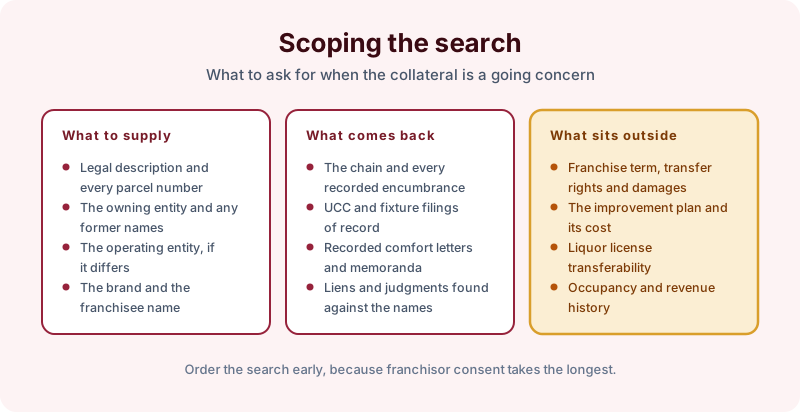
Supply the legal description and every parcel number, the owning entity with any former names, the operating entity where it differs, and the brand and franchisee name. What comes back is the chain and every recorded encumbrance, the UCC and fixture filings of record, any recorded comfort letter or memorandum, and the liens and judgments found against the names searched.
What sits outside is the franchise term, transfer rights and damages, the improvement plan and its cost, liquor license transferability, and occupancy and revenue history. Ask for those on the same day, because franchisor consent is reliably the longest item in the file.
The takeaway
The collateral is a building and the value is a flag, and the flag is governed by documents the county never sees. Search the record for what survives a change of owner, and get the franchise agreement and the improvement plan in front of underwriting at the same time. Start the order online, or send us the address and the brand and we will tell you what a search of that scope would and would not cover before anything is ordered.