

· AFX Research
Life Estates and Remainder Interests in SBA Loan Collateral
A borrower holding only a life estate cannot mortgage the whole property. What the record shows about split ownership, and whose signatures the file actually needs.
Table of Contents
A life estate is created by one sentence in a deed and it changes who owns the property in a way that is easy to read past. A parent conveys the house to the children and reserves the right to live there for life. Twenty years later the parent applies for a loan, offers the property as collateral, and the search comes back showing a chain that looks ordinary until you read the reservation. At that point the borrower is not the owner in the sense the file assumes. The pattern belongs with the fact patterns in our note on collateral held in a trust or estate, and it is more common on personal residences than on commercial parcels.
One parcel, two owners
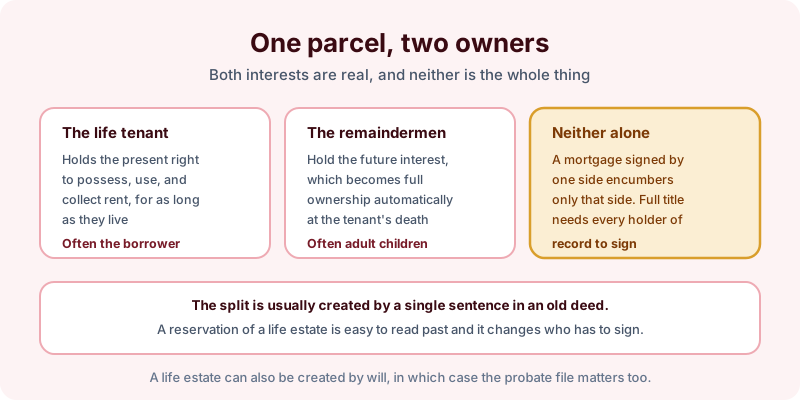
The life tenant holds the present interest: the right to possess the property, use it, and collect rent from it, for as long as they live. This is usually the borrower.
The remaindermen hold the future interest. At the life tenant’s death their interest becomes full ownership automatically, with nothing filed and no probate required.
Neither one alone owns the whole thing. A mortgage signed by the life tenant encumbers the life estate. A mortgage signed by the remaindermen encumbers the remainder. Reaching full title requires every holder of record to sign, and the requirements can be broader still where a state’s homestead or spousal rules apply, which our note on spousal joinder and homestead covers.
Note that a life estate can also be created by will rather than by deed. Where the record shows a devise, the probate file is part of the answer and the county land records alone will not carry it.
Collateral with an expiry date
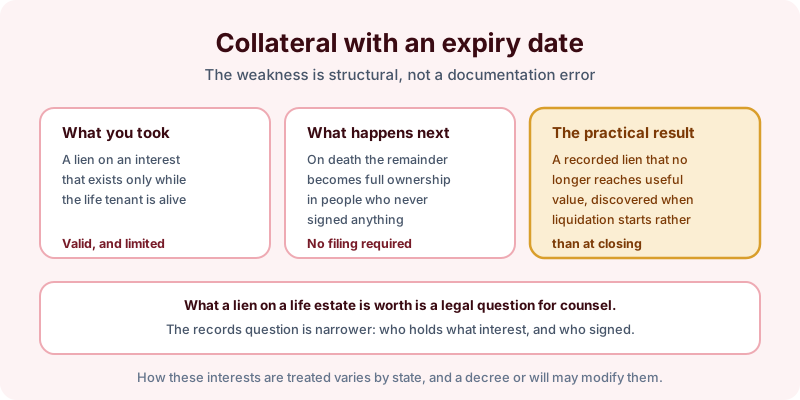
A lien limited to a life estate is valid and it is also wasting collateral. The interest it attaches to ends when the life tenant dies, and the remainder vests in people who never signed the note or the mortgage. Nothing has to be recorded for that to happen.
The failure mode is timing. This is generally discovered at liquidation rather than at closing, when the collateral value that supported the credit turns out to have quietly gone. What a lien on a life estate is actually worth, and what remedies exist, are legal questions for counsel in that state, and a decree or a will can modify the ordinary treatment. The records question is narrower and answerable: who holds what interest, and who signed.
What the file needs
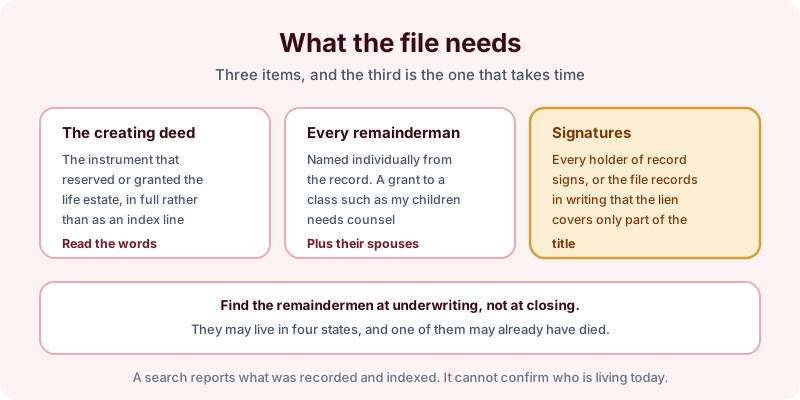
Three items. The creating deed in full, not an index line, because the words control whether the reservation was for one life or two, whether a power to sell was retained, and who the remaindermen are. Every remainderman named individually from the record, along with spouses where the state requires joinder. A grant to a class, such as to my children, is a legal question rather than a records answer, and it needs counsel. And signatures from every holder, or a written acknowledgment in the file that the lien covers only part of the title and was priced accordingly.
Do that work at underwriting. Remaindermen may live in four states, one may have died leaving heirs of their own, and locating them is not a task for the week of closing. The general scoping discipline is in our note on SBA title search requirements.
What the search will and will not settle
The search reports what was recorded and indexed for the parcel and names given, as of its date, with copies: the deed creating the split, subsequent conveyances of either interest, liens against the life tenant or any remainderman, and releases.
It cannot confirm who is living today, it cannot identify unnamed members of a class, and it does not reach the probate or court files where a devise or a decree may sit. Recording and indexing practice varies by county, so an empty result reflects the record rather than proving no interest exists.
The takeaway
Read the vesting deed before pricing the collateral, and if a life estate appears, name every remainderman from the record before the commitment goes out. Our business expansion page covers the searches these deals usually need. Start the order online, or send us the funding letter if you want the scope matched to the requirement before anything is ordered.