

· AFX Research
Manufactured and Modular Buildings as SBA Loan Collateral
A building that arrived on wheels may still be personal property with its own certificate of title. What the county record shows, and what has to be done before closing.
Table of Contents
Small businesses use factory built structures constantly: an office at a contractor’s yard, a clinic annex, classrooms, a sales building at a dealership. They look permanent, they are appraised with the property, and they get pledged as real estate collateral without anybody asking the one question that matters. A manufactured unit can remain personal property indefinitely, carried on a certificate of title like a vehicle, in which case a mortgage on the land does not reach it. Modular construction usually behaves differently. Knowing which is sitting on the collateral is underwriting work, not closing work. The related scoping questions are in our note on SBA title search requirements.
Same building, two legal forms
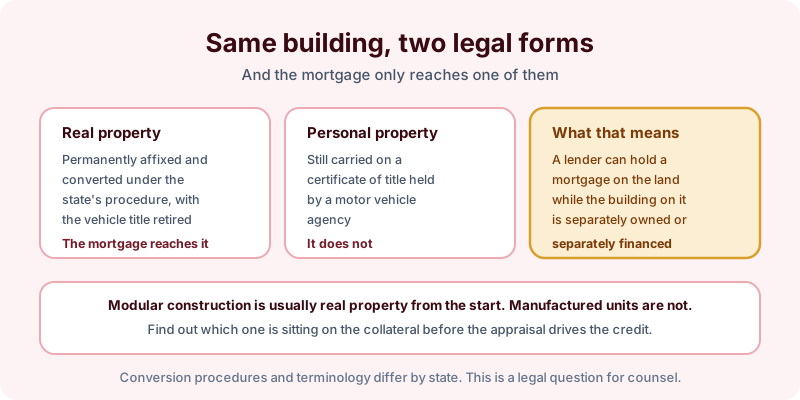
As real property, the unit has been permanently affixed and converted under the state’s procedure, with the certificate of title retired or surrendered. The mortgage reaches it.
As personal property, the unit is still carried on a certificate of title held by a motor vehicle agency. The mortgage does not reach it, and the practical consequence is that a lender can hold a first lien on the land while the building standing on it is separately owned, separately financed, or both.
Terminology and procedure differ by state, and whether a given unit has been validly converted is a legal question rather than a records finding. The distinction between manufactured and modular matters here: modular units are typically built to the local building code and treated as construction from the start, while manufactured units are built to a federal standard and usually arrive with a certificate of title attached.
Two offices, no cross reference
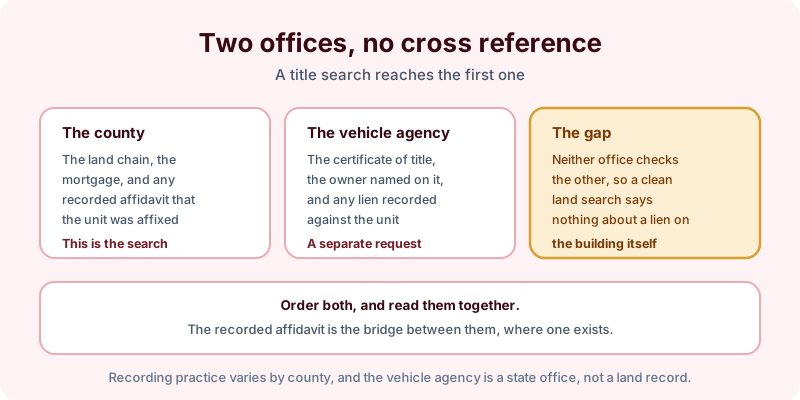
The county holds the land chain, the mortgage, and any recorded affidavit stating that the unit was affixed. A title search finds those.
The vehicle agency holds the certificate of title, the owner named on it, and any lien recorded against the unit. That is a separate request to a state office, and no land records search reaches it.
Neither office checks the other, which is the whole problem. A clean land search says nothing at all about a lien recorded against the building, and a retired certificate is not always reflected in the county unless somebody recorded the affidavit. The same two-index discipline applies as in our note on UCC searches versus title searches.
Two ways to close it cleanly
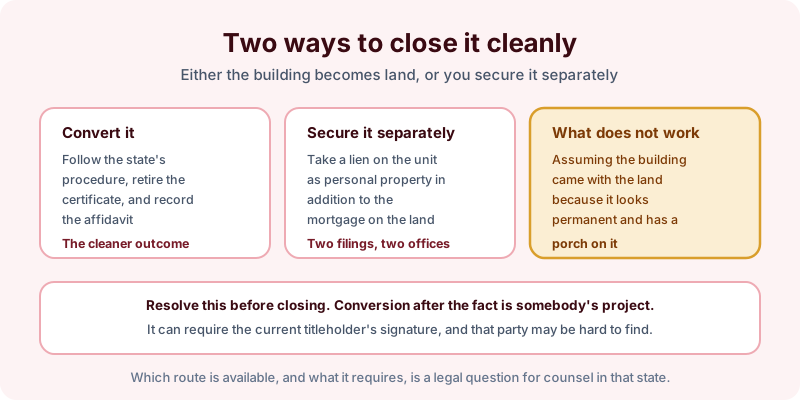
Either the building becomes land or you secure it separately. Converting means following the state’s procedure, retiring the certificate, and recording the affidavit, which is the cleaner outcome and the one that makes the collateral behave like the appraisal assumed. Securing it separately means taking a lien on the unit as personal property in addition to the mortgage, which means two filings in two offices and a file that documents both.
What does not work is assuming the building came with the land because it has a foundation and a porch. And this has to be resolved before closing, because conversion after the fact can require a signature from whoever is named on the certificate, and on a building that changed hands with a business twice, that party can be genuinely hard to locate. Special use structures raise related questions covered in our note on special purpose property.
What the search will and will not settle
The search reports what was recorded and indexed for the parcel and names given, as of its date, with copies: the land chain, the mortgage, any recorded affidavit of affixation or statement of conversion, and liens of record against the real estate.
It cannot tell you whether a certificate of title exists, who is named on it, or what liens sit against the unit, because that record is held by a state agency rather than the recorder. It cannot confirm that a conversion was validly completed. Recording and indexing practice varies by county, so an empty result reflects the land records rather than proving the building is part of the real estate.
The takeaway
Ask at underwriting whether any structure on the collateral was factory built, then order the land search and the certificate status together. Our disaster assistance page covers files where replacement structures are common. Start the order online, or send us the funding letter if you want the scope matched to the requirement before anything is ordered.