

· AFX Research
Medical and Dental Practice SBA Collateral, What to Check
The practice, the build out and the equipment are three different things, and only some of them sit in the land record. What a search reaches on a suite purchase.
Table of Contents
A dentist buys a retiring colleague’s practice with SBA financing. The deal includes patient records, equipment, a build out worth more than the shell that contains it, and a condominium suite in a medical office building. Four entities are involved and nobody is entirely clear which one owns what. The title search has a narrow job here and a surprisingly consequential one, because the fixture filings on the equipment can outrank the mortgage on the suite. It has a good deal in common with business acquisition title searches, with a specialized build out attached.
What a practice deal pledges
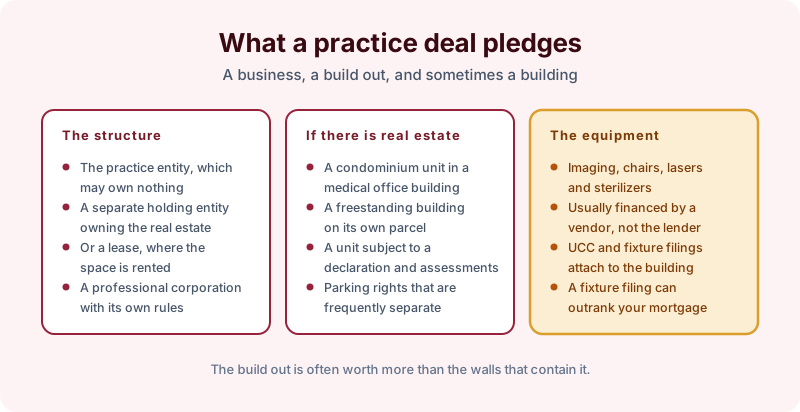
Establish the structure before anything else. The practice entity, frequently a professional corporation with its own ownership restrictions, may own no real estate at all. A separate holding entity often owns the suite. Or there is no real estate and the space is leased, which changes the collateral picture entirely.
Where real estate exists it is usually a condominium unit in a medical office building, subject to a declaration, an assessment obligation and whatever the association’s rules permit. Parking rights are frequently allocated separately from the unit and are worth confirming rather than assuming.
The equipment is where the money and the risk both sit. Imaging systems, chairs, lasers, sterilizers and practice management hardware are routinely vendor financed. Where those filings are recorded as fixture filings at the county, they attach to the building, and a fixture filing recorded before your mortgage can take priority over it.
Where the records sit
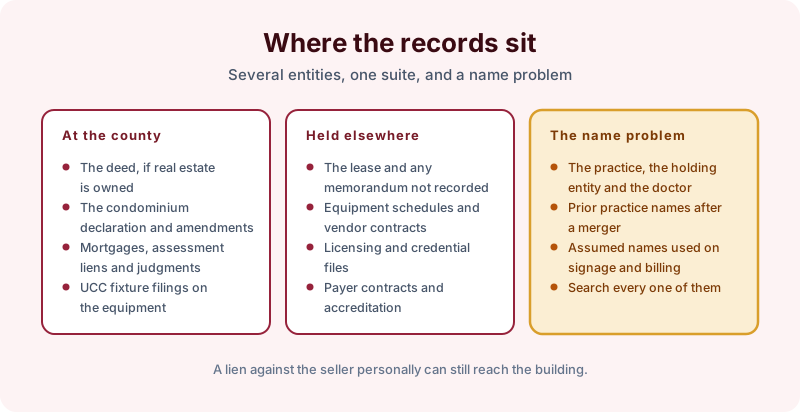
At the county you will find the deed where real estate is owned, the condominium declaration and its amendments, the mortgages, assessment liens and judgments, and the UCC fixture filings.
Held elsewhere is the lease and any memorandum nobody recorded, the equipment schedules and vendor contracts, licensing and credential files, and payer contracts and accreditation. None of that reaches the recorder.
The name problem deserves attention because it decides whether the search works. The practice entity, the holding entity and the practitioner personally are three different names, and a practice thirty years old has usually been through a merger, a name change and an assumed name used on the signage. A judgment against the selling practitioner personally can still reach the building where the building is held in their own name, so the individual belongs in the search alongside the entities. The discipline is the one in entity name changes and mergers.
Why a leased suite changes the deal
Where the practice rents, the collateral is a business, a leasehold and equipment, and the search question narrows while the diligence question does not.
The lease term should comfortably exceed the loan term, assignment should be permitted or consented to in writing, and any landlord lien or waiver should be in hand. Where a memorandum of lease was recorded, a search will find it and the full lease still has to be read. That analysis is set out in leasehold collateral, and on a medical suite the landlord’s consent is reliably the longest item on the closing checklist.
Scoping the search
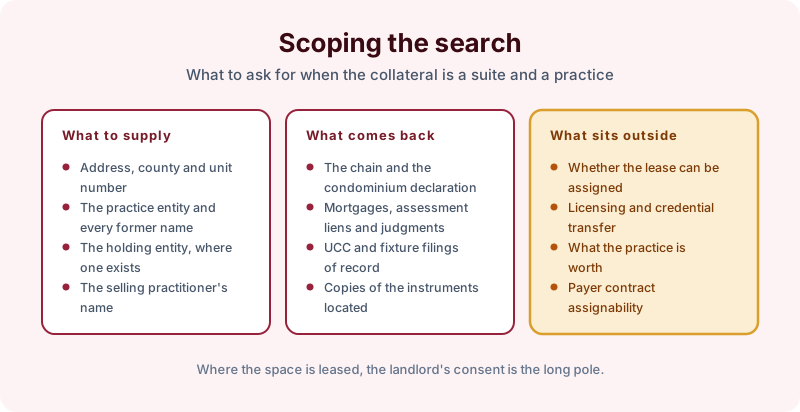
Give us the address, county and unit number, the practice entity with every former name, the holding entity where one exists, and the selling practitioner’s name. What comes back is the chain and the condominium declaration, the mortgages, assessment liens and judgments, the UCC and fixture filings of record, and copies of the instruments located.
What sits outside the record is whether the lease can be assigned, whether licensing and credentials transfer, what the practice is worth, and whether payer contracts survive a change of ownership.
The takeaway
Most of the value in a practice purchase is not real estate, and the part that is comes with a condominium declaration and a set of fixture filings that can sit ahead of your lien. Search the entities and the individual, and confirm which of them actually holds the suite. Start the order online, or send us the address and the entity names and we will tell you what a search of that scope would and would not cover before anything is ordered.