

· AFX Research
Nonprofit and Church Property as SBA Collateral: What to Check
Charitable and religious property carries use conditions, reverter clauses, and authority questions the deed does not answer. What the record shows, and what it cannot.
Table of Contents
Property held by a congregation, a school, or a charitable organization behaves differently from commercial collateral in two ways that both show up late if nobody looks early. The land often came as a gift with conditions attached, and the entity that owns it may not be able to encumber it on the signature of whoever is sitting across the table. Neither problem is exotic, and neither is visible from a current owner report. The general scoping habits in our note on SBA title search requirements apply, with two additions.
Read the granting deed first
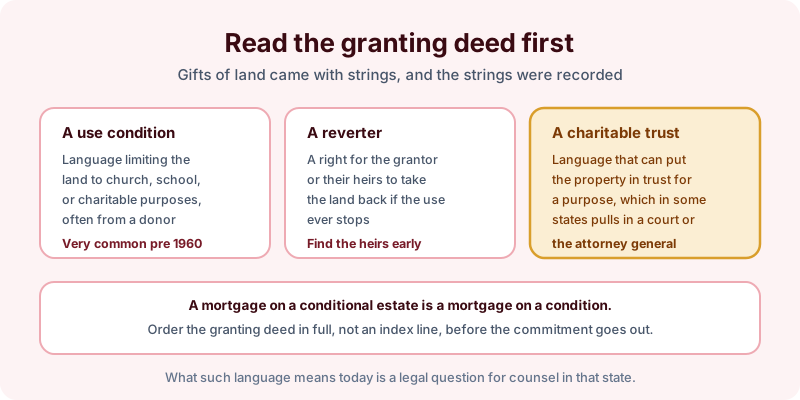
Gifts of land came with strings, and the strings were recorded.
A use condition limits the land to church, school, or charitable purposes. These are very common in deeds from the first half of the last century, because a donor wanted the property used a particular way.
A reverter gives the grantor or their heirs a right to take the land back if the stated use ever stops. That is a live interest held by people nobody has spoken to in three generations, and identifying them is slow work.
Trust language is the one that widens the problem. Wording that puts the property in trust for a purpose can, in some states, mean a change of use or a sale requires a court proceeding, sometimes with the attorney general as a party.
The lending consequence is direct: a mortgage on a conditional estate is a mortgage on a condition. Order the granting deed in full rather than an index line, and have counsel read what the words do in that state.
Who can actually sign
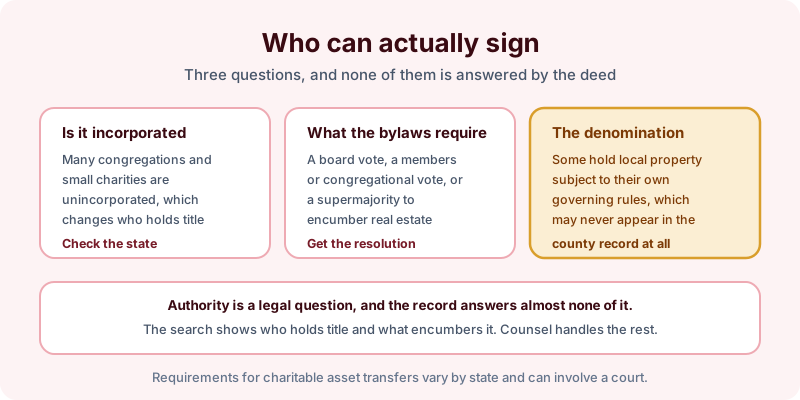
Three questions, and the deed answers none of them.
Is it incorporated. Plenty of congregations and small charities are unincorporated associations, which changes who holds title and how it is conveyed.
What the governing documents require. Bylaws frequently demand a board vote, a full membership or congregational vote, or a supermajority before real estate can be sold or mortgaged. A resolution that does not match the bylaws is not authority.
Whether a denomination has an interest. Some denominations hold local property subject to their own governing rules, and those rules may never appear in the county record at all. Where that is the case, the local body’s signature may not be sufficient by itself.
None of this is a records question. The search establishes who holds title and what encumbers it; counsel establishes whether the signature binds. The same division applies on the entity files described in our note on collateral held in a trust or estate.
What the file needs
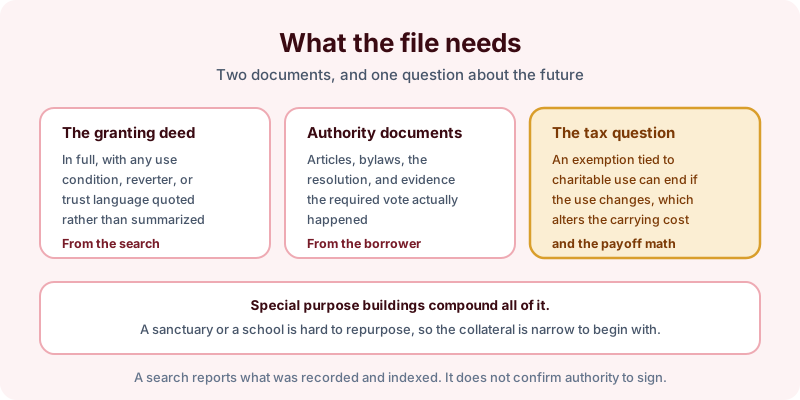
The granting deed in full, from the search, with any condition or trust language quoted rather than paraphrased. The organizational documents and the resolution from the borrower, with evidence the required vote actually happened. And a view on the tax question, because an exemption tied to charitable use can end when the use changes, which alters both the carrying cost and the payoff math.
Building type compounds all of it. A sanctuary or a classroom block is hard to repurpose, so the collateral is narrow before any of these issues are added, the problem our note on special purpose property sets out.
What the search will and will not settle
The search reports what was recorded and indexed for the parcel and names given, as of its date, with copies: the granting deed and its conditions, the chain, any recorded resolution or denominational instrument, mortgages, judgments, liens, and tax status.
It cannot confirm that anyone has authority to sign, that a vote occurred, or that a denomination’s internal rules were followed. It does not identify the heirs of a long dead grantor holding a reverter, though it does give you the name to start from. Recording and indexing practice varies by county, and older church deeds are frequently indexed under a congregation name that has since changed.
The takeaway
Pull the granting deed before the commitment, look specifically for use conditions and reverter language, and ask for the organizational documents at the same time rather than in closing week. Our business expansion page covers the searches these deals usually need. Start the order online, or send us the funding letter if you want the scope matched to the requirement before anything is ordered.