

· AFX Research
PACE Assessments on SBA Collateral, and Where They Rank
How clean energy financing gets recorded, why an assessment can outrank a new SBA mortgage, where to find one, and what to do once it turns up.
Table of Contents
A borrower puts solar on the roof, replaces the HVAC, or reroofs the building, and finances it through a PACE program rather than a bank. Nothing about that is unusual. What matters to you is how the obligation was recorded, because Property Assessed Clean Energy financing is not collected like a loan. It is collected like a property tax, and in many states it carries the priority of one.
That is the whole problem in a sentence. A new SBA mortgage can close behind an obligation the borrower does not think of as a lien at all.
What actually gets recorded
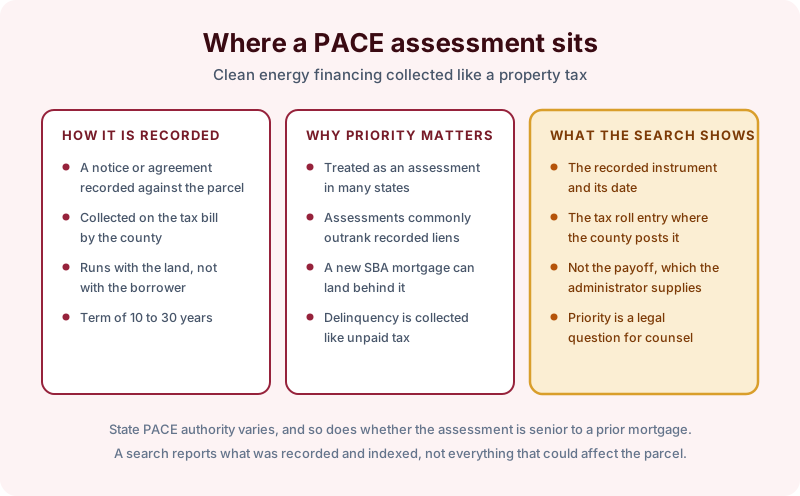
A PACE transaction usually produces a recorded notice or assessment agreement against the parcel, and an entry on the county tax roll. The obligation runs with the land rather than with the borrower, the term commonly runs 10 to 30 years, and the annual amount arrives on the tax bill alongside everything else the county collects.
Because it is billed as an assessment, delinquency is enforced the way unpaid property tax is enforced. That is a different and generally faster remedy than a mortgage foreclosure, and it is what gives the obligation its weight.
Why priority is the issue
Assessments commonly outrank privately recorded liens. Where a state has given its PACE program that treatment, a mortgage recorded afterwards sits behind the unpaid assessments, and depending on the statute it may sit behind the whole remaining obligation rather than just the current year.
State authority varies here more than almost anywhere else in lien law. Some states created commercial PACE with explicit senior status, some require existing mortgage holders to consent first, and some have no program at all. Whether a given assessment is senior to your mortgage is a legal question for counsel who knows that state, not something an abstract decides. What the search establishes is that the instrument exists, when it was recorded, and against which parcel. That distinction runs through what an SBA title search cannot find, and it is worth keeping straight.
Finding one before it finds you
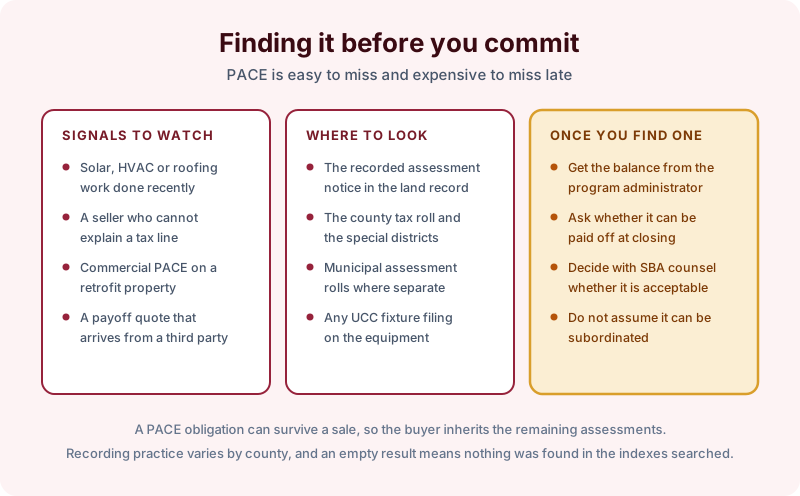
The signals are ordinary. Recent solar, a new roof, a chiller replacement, or an energy retrofit on a commercial building. A seller who cannot explain a line on the tax bill. A payoff quote that arrives from a company nobody in the deal recognizes.
Look in three places. The recorded assessment notice in the land records, indexed against the parcel and sometimes against the owner. The county tax roll, including special district and municipal rolls where those are kept separately from the general levy. And any UCC fixture filing against the equipment itself, which is a separate claim on a separate index and is covered in UCC search versus title search on SBA loans.
Running the tax side matters as much as the land side. The same discipline applies to delinquent property taxes on SBA collateral, where the roll tells you things the deed never will.
What to do once you have one
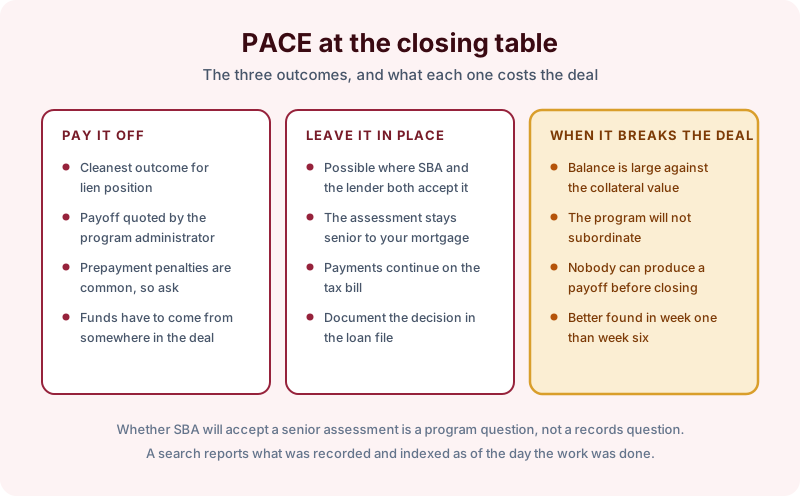
Get the outstanding balance from the program administrator rather than estimating it from the tax bill, because the bill shows this year’s installment and not the remaining obligation. Ask about prepayment terms, which frequently carry a penalty. Then decide, with SBA counsel, whether the assessment can be paid off at closing, whether it can stay in place, or whether it changes the deal.
Do not assume it can be subordinated. Many programs have no mechanism for it, and the ones that do require a request well before a closing date.
The cheap moment to answer all of this is during the pre-closing title update, not on the day funds are supposed to move.
The takeaway
PACE is easy to miss because it does not look like a lien and does not behave like one. It is recorded, it follows the parcel, it is collected as tax, and in a good many states it sits ahead of whatever gets recorded next. Find it in week one, price it, and let counsel decide what it means for your position. Start the order online, or send us the address and the borrower names and we will tell you what a search of that scope would and would not cover before anything is ordered.