

· AFX Research
Waterfront and Riparian SBA Collateral, What the Search Covers
A marina, boatyard or waterfront restaurant sits on ground whose boundary moves and whose value depends on permits the recorder never sees. What to search and what to request.
Table of Contents
Waterfront collateral looks like a straightforward commercial property until somebody asks where the parcel ends. The deed calls for a shoreline that has moved, part of the yard is ground that was placed there in 1948, and the dock that makes the business viable sits on submerged land the borrower does not own. None of that makes the loan unworkable, and all of it has to be established before closing rather than after. The starting frame is the same one behind rural acreage collateral, widened for water.
Where the parcel actually ends
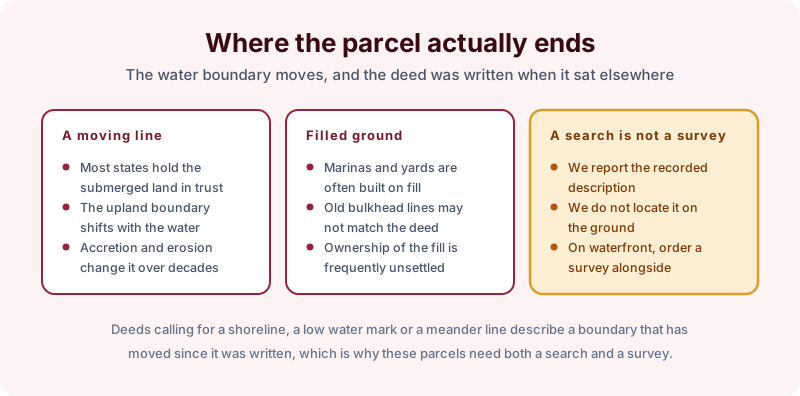
In most states the land below the ordinary high water mark is held by the state in trust for the public, and the private parcel stops there. That sounds tidy until you remember the line moves. Accretion and erosion shift it over decades, and a deed written in 1952 describes a boundary that was somewhere else at the time.
A large share of working waterfront is filled ground. Marinas, boatyards and industrial docks were commonly built by placing material into open water, and the resulting land is frequently the least clearly owned part of the site. Old bulkhead and pierhead lines, established by a port authority or a state agency, may not correspond to anything in the deed.
Here the limits of a records search matter more than usual. We report the recorded description and the instruments behind it. We do not locate that description on the ground, and on waterfront the gap between those two things is not academic. A survey belongs in the file alongside the search, not instead of it, which is the same caution that applies to legal description problems generally.
What comes with the water
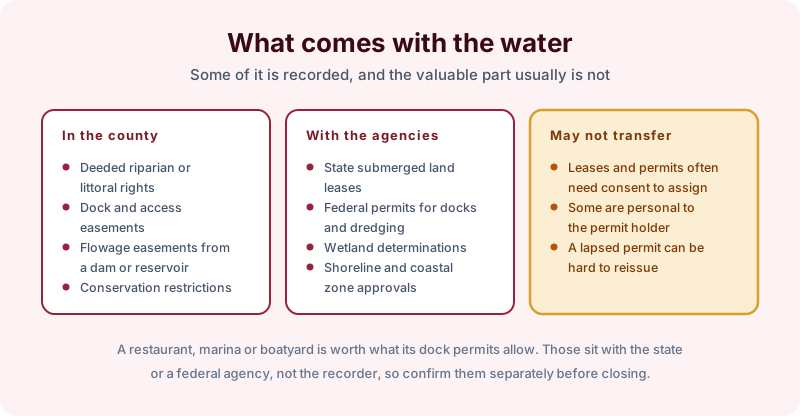
Some of it is recorded and a search will find it. Deeded riparian or littoral rights, dock and access easements, flowage easements held by a dam or reservoir operator, and conservation restrictions over a shoreline strip are all ordinary recorded instruments.
The valuable part usually is not recorded. A state submerged land lease authorizes the dock. A federal permit authorizes the structure and any dredging. Wetland determinations and coastal zone approvals sit with other agencies again. A restaurant with forty slips is worth what those authorizations allow it to operate, and none of them are in the county.
Two features of those instruments deserve attention at underwriting. Many require consent before assignment, so a sale or a foreclosure does not carry them automatically. Some are personal to the permit holder. And a permit that has lapsed can be considerably harder to reissue than it was to obtain, particularly where the shoreline rules have tightened since.
Scoping it properly
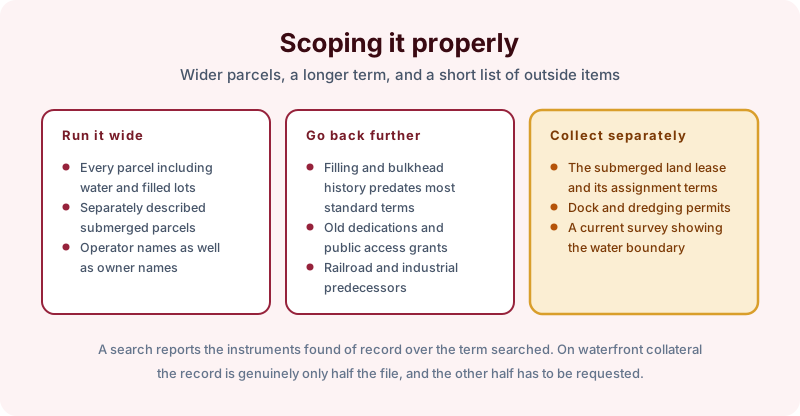
Run it wider than the tax parcel. Every parcel in the transaction, including water lots and filled lots where they are separately described, because on these sites they frequently are. Operator names as well as owner names, since waterfront businesses are commonly tenants rather than owners and the instrument may name the operator.
Go back further than a standard term. Filling history, bulkhead agreements and old public access dedications predate most default search periods, and railroad or industrial predecessors are common on working waterfront. A term chosen for a suburban office building will stop short of the documents that decide this question.
Then collect the rest deliberately. The submerged land lease with its assignment terms, the dock and dredging permits, and a current survey showing where the water boundary sits today. Those are requests to the borrower and to the agencies rather than searches, and asking for them in week one is the difference between a two-week delay and a two-month one. Where the property also carries environmental history, the SBA environmental policy requirements run alongside.
The takeaway
Waterfront collateral is a search plus a survey plus a permit file, and treating any one of the three as optional is where these deals go wrong. Order the search early and scope it to the water, not just to the building, and expect the most valuable documents to come from outside the courthouse. Start the order online, or send us the address and the funding letter and we will tell you what a search of that scope would and would not cover before anything is ordered.