

· AFX Research
State Tax and Child Support Liens Against SBA Collateral
The non federal liens that reach SBA collateral, how they attach through a name rather than a parcel, and what a title search on the borrower and guarantor should cover.
Table of Contents
Federal tax liens get the attention on an SBA file, and our note on federal tax liens covers them in detail. The liens that more often delay a closing are state and local: sales tax, payroll withholding, unemployment assessments, and child support arrears. They are smaller, they are filed in more places, and they frequently attach to the guarantor personally rather than to the business, which is exactly why a search limited to the operating company can come back clean while the file is not.
Liens that are not federal
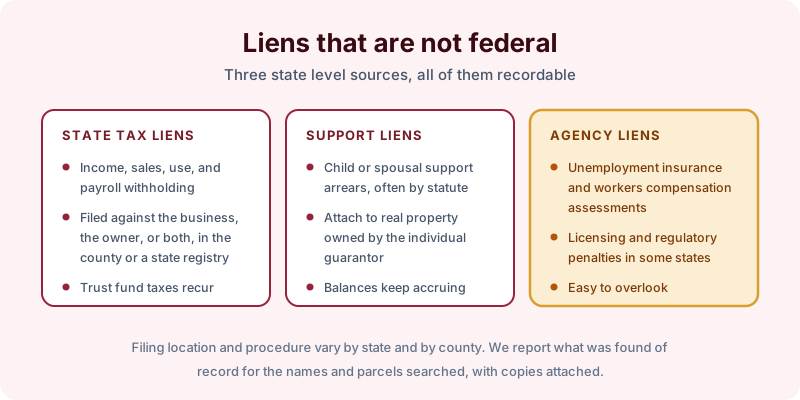
State tax liens arise from income, sales, use, and payroll withholding, and the trust fund categories recur, because a business that fell behind on withholding once usually did so more than once. Depending on the state, these are filed in the county land records, in a central state registry, or in both.
Support liens are the category most often missed. Child or spousal support arrears become a lien on real property owned by the obligated individual, in many states automatically by statute, and the balance keeps growing until it is paid. Where a guarantor owns the collateral or a piece of it, that lien is part of your title picture.
Agency liens round out the list: unemployment insurance and workers compensation assessments, and in some states licensing or regulatory penalties. None of them look like a mortgage, and all of them can encumber the parcel.
How they reach the property
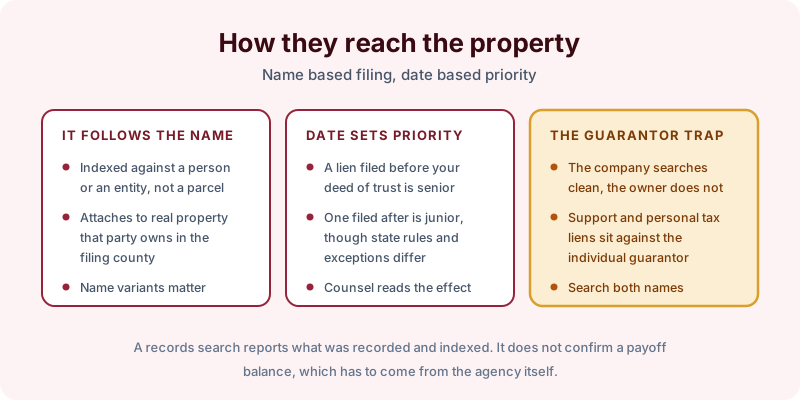
These liens follow a name, not a parcel. They are indexed against a person or an entity and attach to real property that party owns in the filing jurisdiction, which means name accuracy carries the search. A trade name, a former entity name, or a misspelled surname is enough to hide one.
Priority generally runs from the filing date, so a lien recorded before your deed of trust is senior and one recorded after is junior, subject to state specific rules and exceptions. That is the analysis described in our note on lien position, and what it means for a particular loan is a legal question for counsel.
The guarantor trap deserves its own line. The company searches clean, the owner does not, and the collateral is held in the owner’s name or in a holding entity the owner controls. Search both, along with the arrangements described in our note on collateral held in a trust or estate.
Scoping the search
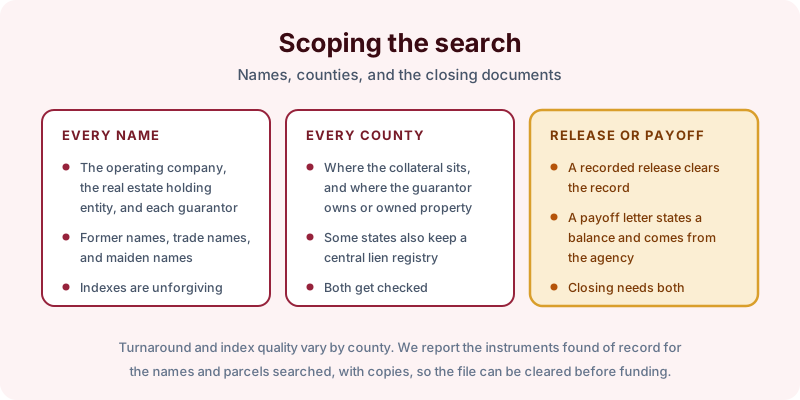
Give us every name: the operating company, any real estate holding entity, each guarantor, plus former names, trade names, and maiden names. Then every county where the collateral sits and where a guarantor owns or recently owned property, since a support lien filed in a home county reaches property there regardless of where the business operates. Several states also maintain a central lien registry alongside the county books, and both belong in the search. Multi property files are covered in our note on multiple collateral properties.
One distinction saves time at closing. A recorded release clears the record. A payoff letter states a current balance and comes from the agency, not from the recorder. A search can show you the lien and supply a copy of it, and it can show you a release if one was filed, but it cannot tell you what is owed today. Read the result for what it is: what was recorded and indexed over the term searched, in the counties searched. Recording practice varies, and an empty result is not proof that nothing exists.
The takeaway
State and local liens are cheaper to find than to fix, and they are almost always findable if the name list is complete. Give the search the entities and the individuals, cover the counties where the people live as well as where the property sits, and get copies rather than index lines so the payoff requests can go out early.
Start the order online, or send us the funding letter if you want the scope matched to the requirement before anything is ordered.